
Occupational disease
Occupational tuberculosis

Apr
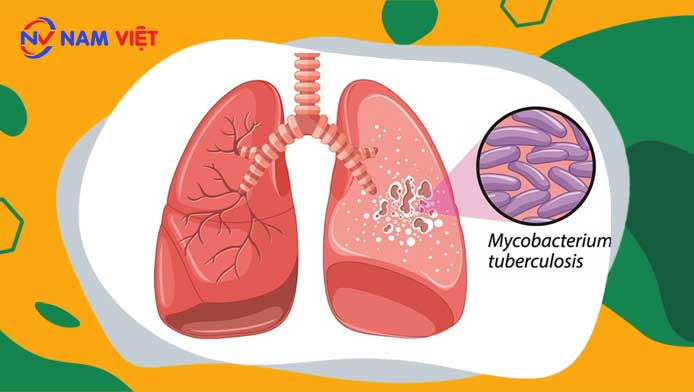
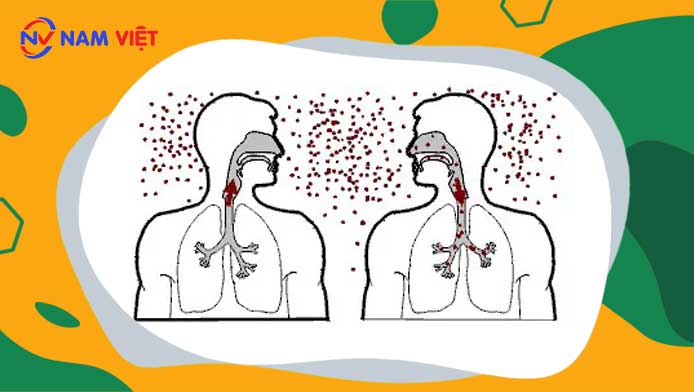
Occupational tuberculosis (TB) is caused by a type of bacteria called Mycobacterium tuberculosis. This is an infectious disease that can spread from person to person through the air. When a person with TB coughs, sneezes, or spits, they release TB bacteria into the air, and a healthy person only needs to accidentally inhale a few of these bacteria to have a high risk of becoming infected in the lungs.
The bacteria that cause TB not only attack the lungs but can also spread through the bloodstream or lymph nodes to other parts of the body, such as the kidneys, spine, brain, etc., causing disease there. If TB patients are not detected and treated promptly and correctly, it can lead to death.
1. What is occupational tuberculosis?
Occupational TB is an infectious disease caused by TB bacteria during work activities. TB usually has two main types:
- Latent TB infection: This occurs when TB bacteria can live in the body without causing illness. When inhaled from the air, the body generates reactions to fight the bacteria and prevent them from multiplying. People with latent TB usually do not experience any symptoms and cannot spread the bacteria to others.
- Active TB: If TB bacteria become highly active in the body and multiply rapidly, the person progresses from latent TB to active TB. Active TB is highly contagious. For this reason, people with latent TB are often prescribed treatment to prevent the development of active TB.
2. Occupations at risk of TB
Common occupations and exposure sources:
- Healthcare workers.
- Workers in slaughterhouses.
- Veterinarians and livestock handlers.
- Other jobs involving exposure to TB bacteria.
3. Mechanism and causes of occupational TB
The bacteria that cause TB, Mycobacterium Tuberculosis, are aerobic bacteria. After entering the body, they do not become active immediately but enter a dormant – incubation – stage. During this stage, no symptoms appear, and the disease is not contagious.
However, tests may still show positive for TB bacteria even if there are no symptoms. Early detection and treatment during this incubation stage significantly increase the chance of recovery.
Studies suggest that out of 10 people infected with TB bacteria, only 1 develops the disease. TB bacteria remain dormant until the immune system weakens, particularly in the elderly and people with HIV. Incubation periods vary, and once active, bacteria grow in the lungs and can spread to other organs via the bloodstream.
4. Symptoms of TB
During the incubation stage, patients may feel completely normal with no symptoms. TB in this stage is usually not contagious. Once the disease progresses, symptoms become noticeable.
Symptoms depend on the location of bacterial growth. Pulmonary TB (lungs) may cause:
- Persistent cough lasting 3 weeks or more.
- Chest pain.
- Coughing up blood or sputum (from deep in the lungs).
Other TB symptoms include:
- Systemic: mild fever in the evening, night sweats, loss of appetite, fatigue, weight loss.
- Functional: cough, sputum production, hemoptysis, chest pain, shortness of breath.
- On lung auscultation: abnormal sounds such as crackles or rales.
TB symptoms in other body parts depend on the affected area. If any listed symptoms appear, it is advisable to see a doctor for testing.

5. Complications of TB
Occupational TB can cause various complications, especially if not detected or treated timely. Complications include:
- Pulmonary TB, the most common complication, causing pneumonia with symptoms such as cough, chest pain, and shortness of breath.
- Peripheral lymph node TB, commonly in the neck, which may later cause scarring.
- Pleural TB causing chest pain and difficulty breathing.
- Pericardial TB, leading to chest pain, difficulty breathing, neck vein distension, and lower limb edema. Early stages show pericardial friction sounds.
- Abdominal TB with palpable lumps and potential intestinal obstruction.
- TB meningitis: headache and altered consciousness, possible cranial nerve damage or spinal paralysis.
- Osteoarticular TB, often in the spine: back pain, movement restriction, deformities, or paralysis in late stages. Large joints may also be affected.
- Genitourinary TB: urinary symptoms, hematuria, low back pain.
- Male genital TB: testicular swelling, epididymis pain.
- Female genital TB: abnormal vaginal discharge, menstrual disorders, infertility.
Early detection and treatment are crucial to minimize serious complications.

6. Protective equipment to prevent occupational TB
Protective equipment is essential for safeguarding workers from occupational TB. Key items include:
- Masks or respirators to protect the respiratory tract.
- Protective clothing to prevent contact with bacteria in the work environment.
- Gloves to protect hands from harmful substances and bacteria.
- Safety goggles to protect eyes from dust and bacteria.
- Protective footwear.
Additional preventive measures include vaccination, minimizing exposure to bacteria, and maintaining personal and workplace hygiene.
Discover the Occupational TB Risk Assessment Tool for a detailed evaluation of workplace TB risks and preventive strategies.
7. Compensation for workers with TB
In Vietnam, under the Social Insurance Law, workers with occupational TB can receive compensation through health and social insurance. Compensation may include:
- Treatment costs, including medical examinations, medications, travel, meals, rest, and allowances according to regulations.
- Lost wages during treatment.
- Permanent health loss compensation if TB causes permanent damage, according to labor law.
Workers must prove the link between TB and their occupation to receive benefits.
8. TB treatment
Treatment should be conducted by medical professionals and may include:
- Anti-TB medication according to the doctor’s prescription.
- Symptom and complication management (pain relief, anti-inflammatories, antibiotics).
- Surgery in severe cases to remove lesions and improve health.
- Proper nutrition and exercise to support recovery.
Follow all prescribed medical instructions and preventive measures.
9. Preventing occupational TB
Prevention measures include:
- Use full protective gear in high-risk environments.
- Maintain clean, ventilated workspaces and disinfect surfaces.
- Regular health check-ups to detect TB early.
- Implement workplace training for infection control.
- Maintain good nutrition, exercise, and personal hygiene.
10. Employer responsibilities in TB prevention
Employers must:
- Ensure safe work environments and provide protective equipment.
- Implement proper environmental hygiene, including medical waste management.
- Train employees on TB prevention measures.
- Conduct regular health check-ups for early detection.
- Perform workplace environmental monitoring and report results to improve safety.
11. National Center for Occupational Environmental Monitoring
Occupational Environmental Monitoring Center of Nam Viet is a professional unit providing monitoring and measuring of occupational environments across all provinces in Vietnam. With experienced monitoring specialists and modern equipment, accuracy and reliability are ensured.
REGISTER FOR OCCUPATIONAL ENVIRONMENT MONITORING SERVICES
The center also assists clients with planning, handling, and monitoring workplace environment issues. With a “customer-centric” approach, the center prioritizes satisfaction and provides optimal solutions.
Goals of Nam Viet’s monitoring center:
- Maintain brand reputation and service quality.
- Provide the best and most suitable services to clients.
- Leverage experienced Masters and Engineers to protect the environment and benefit businesses.

- Clients receive professional service and cost-effective solutions from Nam Viet experts.
12. Occupational environmental monitoring pricing
Nam Viet provides detailed service pricing for professional and cost-effective workplace monitoring.
- Pricing details include travel, measurement, analysis, and report costs, ensuring accuracy and reliability.
- Competitive and reasonable prices with fast, professional consultation for all monitoring services.
- Clients can select appropriate service packages with guaranteed professional quality and satisfaction.