
Safe learning method
The Secret to Effective Occupational Safety and Health Training

Aug
Have you discovered the most effective and modern methods for occupational hygiene training? In this article, we provide essential safety and occupational hygiene training tips to ensure a safe working environment, minimize workplace accidents, and improve productivity.
I. The Important Role of Occupational Hygiene Training in Businesses
Implementing occupational safety measures not only helps reduce workplace accidents and injuries for employees but also saves costs, increases production efficiency, and enhances corporate reputation. Occupational safety training for employees is an obligation of employers to raise awareness and responsibility for safety during work. Workers are equipped with the necessary knowledge and skills to handle hazardous situations, minimize risks, and ensure safety for themselves and their families.
Focusing on occupational safety and hygiene creates a positive, friendly working environment and encourages collective participation in maintaining safety and quality. All these factors contribute to strengthening teamwork, unity, and employee satisfaction. You can view more detailed information about the occupational safety training content according to Decree 44.

The importance of occupational safety and hygiene in the workplace
II. Positive Impacts of Effective Training
Occupational safety and hygiene training is an indispensable factor in the working environment. Effective training brings numerous significant benefits for both businesses and employees. Below are the key reasons explaining why training is necessary and the positive impacts of effective implementation:
- Reduction of workplace accidents: Training provides safety knowledge and skills, helping employees identify and handle hazardous situations, thereby reducing accidents, injuries, and occupational diseases.
- Increased work performance and productivity: Trained employees work more effectively, professionally, and confidently, improving overall productivity.
- Improved product and service quality: Well-trained workers understand work processes and safety, helping ensure product and service quality meets higher standards.
- Building a positive working environment: Safety-focused training fosters a positive and engaging workplace where both employees and employers participate in maintaining quality and safety.
- Reduced repair and compensation costs: Workplace accidents lead to significant repair and compensation expenses. Effective training helps minimize incidents and associated costs.
- Enhanced corporate image and credibility: Businesses investing in safety and occupational hygiene training demonstrate commitment to sustainable development and employee well-being.

Businesses training employees in occupational safety and hygiene procedures
III. Guidelines for Building an Occupational Hygiene Training Program
Building an effective occupational safety training program is essential to ensure workplace safety and employee health. Below are step-by-step guidelines:
- Assess training needs: Identify the training needs for each position based on safety risks and required knowledge.
- Define training objectives: Set clear and measurable objectives for the program.
- Develop training content: Include safety knowledge, accident prevention skills, and basic first aid.
- Select training methods: Use classroom sessions, group discussions, interactive activities, or online learning such as e-learning.
- Create implementation plans: Schedule appropriate time, location, and logistics.
- Conduct and evaluate: Implement training and assess results after completion.
- Update and improve: Continuously refine content according to new safety regulations and workplace conditions.

Guiding workers through essential safety principles
IV. Optimizing the Workplace to Minimize Accident Risks
A safe working environment plays a crucial role in preventing accidents and ensuring worker health. Businesses should implement the following measures:
- Hazard analysis and risk assessment: Identify high-risk factors in each work area and propose preventive solutions.
- Improve workplace design: Ensure comfortable and safe working areas with standardized equipment.
- Ensure ventilation and lighting: Provide proper lighting and fresh air in the workplace.
- Promote PPE usage: Equip workers with appropriate personal protective equipment and enforce proper usage.
- Safety training: Train employees regularly on safety procedures and protective measures.
- Promote safety culture: Build a workplace culture that prioritizes safety in daily activities.
- Continuous improvement: Regularly evaluate and enhance safety measures.

Creating a safe working environment to reduce accidents and enhance productivity
V. Applying New Technology to Attract and Support Learners
Online training is one of the most widely applied methods in modern safety training. It allows learners to access courses anywhere and at any time. Training content can be delivered through videos, online lectures, and multimedia materials.
Training applications and software are also used to create interactive lessons, quizzes, and assessments. AI and VR technology help simulate real-life scenarios, enhancing learning experiences.
More importantly, digital solutions help track learner progress, measure effectiveness, and recommend suitable training programs.
However, effective application of technology requires strong infrastructure and proper training for instructors and administrators. You can refer to details about the training duration according to Decree 44.

Applying modern technology and techniques to enhance training
VI. Building an Emergency Response Plan to Minimize Damage
When an incident occurs, an effective emergency response plan helps reduce injuries and losses.
- Risk assessment: Identify potential hazards and high-risk areas.
- Preventive planning: Ensure equipment and facilities meet safety standards and raise safety awareness.
- Training and drills: Provide employees with emergency response skills.
- Develop a response plan: Define responsibilities, communication procedures, and response steps.
- Conduct drills: Regular exercises help improve emergency response capabilities.
- Evaluation and improvement: Continuously refine plans based on previous incidents.
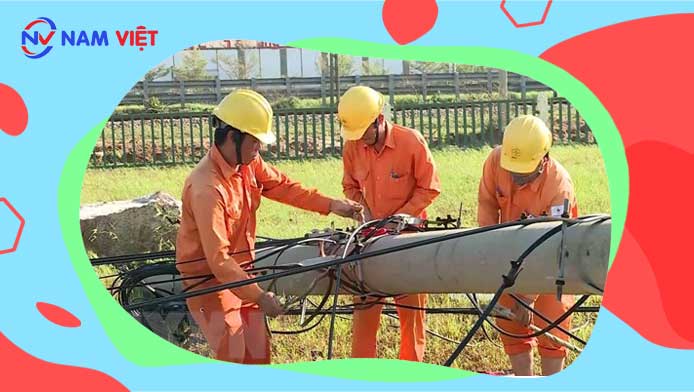
Timely handling of incidents in the workplace
VII. Measuring and Evaluating the Impact of Occupational Hygiene Training
- Accident indicators: Compare accident rates before and after training.
- Accident rate: Number of accidents relative to total employees.
- Work performance: Improvement after training indicates effectiveness.
- Employee feedback: Collect insights to improve programs.
- Production and incident statistics: Increased production and fewer incidents reflect positive impact.
- Cost–benefit analysis: Evaluate investment vs. results.

Regularly assessing employee performance
VIII. Occupational Safety Training Capacity of An Toàn Nam Việt
An Toàn Nam Việt is a reputable and high-quality occupational safety training center in Vietnam. Safety training programs are conducted continuously at factories, plants, and construction sites nationwide (63 provinces and cities).
REGISTER FOR OCCUPATIONAL SAFETY TRAINING
Training License
- An Toàn Nam Việt has been inspected and certified by the Department of Occupational Safety under the Ministry of Labour – Invalids and Social Affairs as meeting the required conditions for safety and occupational hygiene training.

Certificate of Eligibility for Occupational Safety Training
Training Materials and Lessons
- All materials for occupational safety training courses are reviewed and approved to ensure accuracy and effectiveness.
- Teaching methods are standardized according to An Toàn Nam Việt’s training methodology, developed by experts in occupational safety training.
Facilities
- Optimal classroom conditions enhance both teaching efficiency and learners’ comprehension.
- Our training facilities always meet standards in space, lighting, and training equipment.
IX. Nationwide Occupational Environment Monitoring Center
The Occupational Environment Monitoring Center of Nam Việt is a professional unit specializing in monitoring and measuring workplace environmental quality across all provinces in Vietnam. With experienced monitoring specialists, the center uses modern measuring equipment ensuring accuracy and reliability.
REGISTER FOR OCCUPATIONAL ENVIRONMENT MONITORING SERVICE
The center also supports businesses in planning, handling, and monitoring workplace environmental issues. With a customer-centered philosophy, it ensures satisfaction and provides optimal solutions.
With investments in technology and personnel, the monitoring center has become a trusted unit in Ho Chi Minh City with the following commitments:
- We value our brand reputation and service quality.
- We provide the best and most suitable solutions for customers.
- Our team of experts is dedicated to environmental protection and business benefits.
- Customers receive professional service and cost-effective solutions.
Occupational environment monitoring procedures at Nam Việt include:
- Before monitoring, all equipment is calibrated according to legal requirements.
- Monitoring procedures strictly follow commitments made with the Department of Health.
- Monitoring results are reported honestly to employers.
- If results show unsafe working conditions, Nam Việt supports corrective solutions, and employers must:
- Implement improvements to reduce harmful exposure and prevent occupational diseases.
- Organize health examinations to detect early signs of occupational illnesses.
- Provide appropriate benefits for affected workers according to labor laws.

Official approval from the Department of Health for occupational environment monitoring activities