
Safe learning method
Group 3 safety training to ensure superior performance

Aug
In the workplace, safety is always the top priority and cannot be ignored. Ensuring the safety of colleagues, especially in high-risk jobs, makes Group 3 safety training extremely important. This article discusses Group 3 safety training to ensure outstanding effectiveness and explains why you should prioritize Group 3 safety training for your work.
Prioritizing Group 3 safety training is essential for work efficiency. It is not only the responsibility of the business but also the personal responsibility of each team member. Read on to discover the significant benefits that investing in Group 3 safety training can bring to your success and sustainable development at work.
I. Understanding the Importance of Group 3 Safety Training
Ensuring safety in the workplace is critical to protect the health and lives of employees. Group 3 often works with hazardous equipment, machinery, chemicals, electricity, and other factors that can cause serious accidents. Occupational safety training helps employees recognize and prevent dangerous situations, while also guiding them on safe use of equipment and machinery.
Moreover, investing in safety training positively contributes to team performance. When employees are trained and aware of safety, they gain confidence in performing their work, reducing anxiety and stress. This enhances work efficiency and minimizes mistakes. You can find more details about occupational safety training content under Decree 44.
II. Identifying Training Needs for Each Work Group
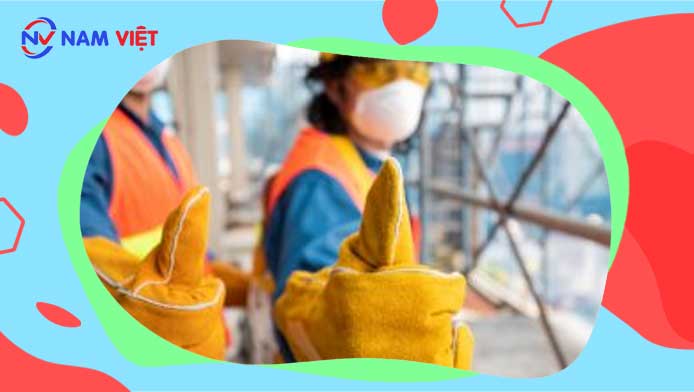
For teams working in hazardous environments such as construction, shipbuilding, or landscaping, training on safety and safe working procedures is critical. Workers in these groups must know how to safely operate equipment and machinery and understand occupational safety regulations. They also need training on emergency response and workplace safety organization.
For teams in IT or digital industries, training on electronic device safety and data protection is a priority. They must know how to handle risks related to computer usage and protect personal data.
Meanwhile, professional teams in healthcare, including doctors, nurses, and medical staff, need training on ensuring safety for themselves and patients. They must master hygiene procedures, infection prevention, and safe use of medical tools.
For service industry jobs, training in communication skills and conflict resolution is also essential to ensure safety and efficiency when interacting with customers.
In summary, identifying appropriate training needs for each work group is an essential process to ensure workplace safety and efficiency. This enables workers to master the necessary skills and knowledge to perform their jobs safely and achieve maximum productivity. You can see more details about occupational safety training duration under Decree 44.

III. Designing an Effective and Flexible Training Program
Building an effective and flexible training program is crucial to ensure the team is fully equipped with the skills and knowledge needed to perform work safely and efficiently. The following steps help design a training program suitable for the specific goals and conditions of each group:
- Assess training needs: Before building the program, assess the training needs of the work group. Analyze the skills and knowledge required to ensure safety and efficiency in their work. This requires close interaction with the group to understand objectives, tasks, and specific work conditions.
- Define training objectives: Based on the needs assessment, set clear objectives for the training program. Objectives should be specific, measurable, and reflect the skills and knowledge the group must acquire upon completion.
- Determine training content: Based on the objectives, select the topics to be covered. Safety training content should align with the objectives and address the specific needs of the work group. Ensure content is clear, understandable, and practical.
- Choose training methods: Depending on the content and group characteristics, select appropriate methods such as direct instruction, group discussion, simulation games, online learning, and hands-on practice to ensure effective understanding and application.
- Evaluate program effectiveness: After completion, evaluate the program using predefined criteria to measure how well the group meets the training objectives. Evaluation helps identify strengths and weaknesses, allowing optimization and adjustment to better meet group needs.
IV. Leadership Skills in Safety Training: Guiding Teams to Success
In safety training, leadership plays a vital role in positively impacting program effectiveness. Leaders create a respectful and motivating environment to encourage team learning and improvement. Here are some ways leaders can guide teams effectively in safety training:
- Set clear objectives: Leaders must define the goals and outcomes of the safety training program. This helps the team understand the importance of safety and the purpose of learning.
- Create a respectful and safe environment: Leaders should build a respectful, comfortable, and safe environment to encourage team participation and contribution. This promotes discussion, experience sharing, and mutual learning.
- Encourage contribution: Leaders should encourage ideas and input from each member. This helps the team feel valued and generates effective solutions for occupational safety.
- Provide praise and support: Leaders should recognize achievements and support the team through challenges during training.
- Promote continuous learning: Leaders should create opportunities for post-training evaluation, discussion, and experience sharing to foster ongoing learning.

V. Using Modern Technology in Safety Training
Modern technology has become a valuable tool for supporting safety training. Reliable technologies can provide effective solutions and enhance program quality. Examples include:
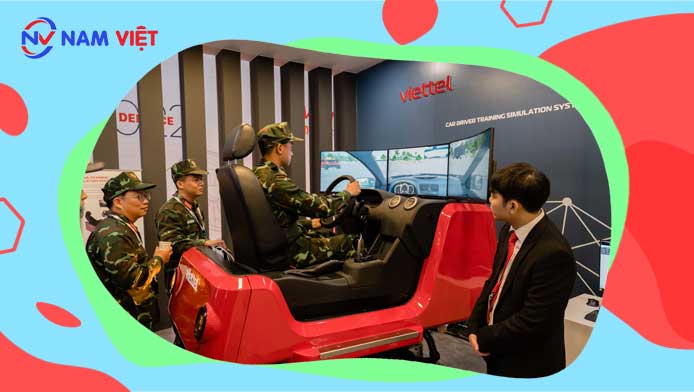
- Simulation and virtualization: Allow employees to practice in realistic, safe simulated scenarios, improving skills and reactions before facing real risks.
- Mobile applications: Provide convenient access to training materials, videos, and assessments for self-paced learning and progress evaluation.
- Online learning and e-learning: Enable flexible and diverse access to training content from any location and at any time.
- Virtual Reality (VR) and Augmented Reality (AR): Provide immersive, interactive training experiences, enhancing mastery of skills and procedures.
- Training management software: Tracks progress and effectiveness, providing reports on participation, test results, and evaluations for both leaders and employees.
These technologies provide flexibility and convenience, helping teams efficiently and sustainably apply occupational safety knowledge.
VI. Learning from Success: Group 3 Safety Training Examples
Many companies have successfully implemented Group 3 safety training and shared valuable advice. Best practices include:
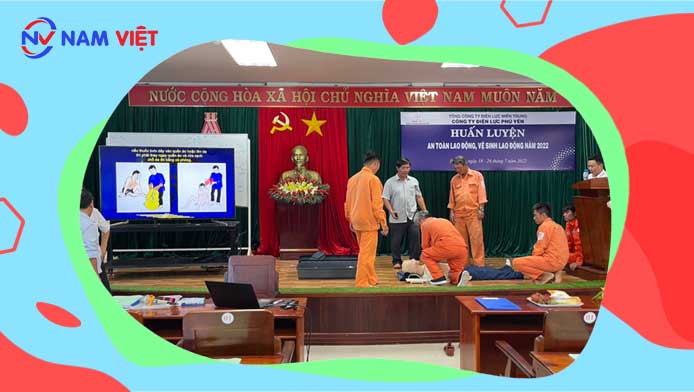
- Focus on interaction and practice: Successful companies create interactive training environments and prioritize practical simulations of real scenarios.
- Flexible and customized programs: Tailor training to the specific needs and situations of each work group for better applicability and effectiveness.
- Use modern technology: Implement simulations, virtualization, mobile apps, and e-learning to enhance training effectiveness and engagement.
- Create a positive learning environment: Encourage proactive participation, respect, and recognition of contributions.
- Regular evaluation and improvement: Conduct periodic assessments and adjust the program to better meet team needs.
VII. Building a Safe Environment for Outstanding Effectiveness
A safe and supportive work environment is crucial for team performance. It reduces occupational hazards and promotes employee morale and satisfaction. Key strategies include:
- Foster safety awareness: Build safety consciousness among all team members through training, experience sharing, and an open feedback culture.
- Invest in safety equipment and technology: Provide personal protective equipment and modern technology to enhance training and minimize risks.
- Design a safe physical environment: Ensure proper lighting, ventilation, and space design to reduce hazards, especially in high-risk industries.
- Periodic inspection and evaluation: Monitor safety conditions and assess training effectiveness regularly to address issues promptly.
- Encourage teamwork and support: Promote collaboration, trust, and experience sharing to enhance team performance and cohesion.

VIII. An Toàn Nam Việt’s Occupational Safety Training Capacity
An Toàn Nam Việt is a reputable occupational safety training center in Vietnam, conducting continuous training at factories, workshops, and construction sites across all 63 provinces.
REGISTER FOR OCCUPATIONAL SAFETY TRAINING SERVICES
Training License
- An Toàn Nam Việt has been certified by the Department of Occupational Safety of the Ministry of Labor – Invalids and Social Affairs, confirming eligibility to provide occupational safety training.

Training Materials and Lectures
- Materials are reviewed before inclusion in ATLĐ courses to ensure accuracy and effectiveness.
- Teaching methods are standardized according to An Toàn Nam Việt’s approach, developed by occupational safety experts to maximize knowledge absorption.
Facilities
- Classroom environment control enhances teaching performance and student learning.
- Training facilities are spacious and meet standards for area, lighting, and training equipment.
IX. National Occupational Environment Monitoring Center
Nam Viet Occupational Environment Monitoring Center is a professional unit monitoring and measuring workplace environmental quality across Vietnam. With experienced monitoring specialists and modern equipment, the center ensures accuracy and reliability.
REGISTER FOR OCCUPATIONAL ENVIRONMENT MONITORING SERVICES
The center also assists clients in planning, handling, and tracking occupational environment issues, with a customer-centered approach to ensure satisfaction and optimal solutions.
With investment in technology and expertise, Nam Viet’s monitoring center has become a leading provider in Ho Chi Minh City with the following objectives:
- Maintain brand reputation and service quality.
- Provide clients with the best and most suitable solutions.
- Employ experienced MScs and engineers to protect the environment and benefit businesses.
- Deliver professional services with expert support and cost advantages.
Occupational environment monitoring at Nam Viet follows these steps:
- Calibration of equipment according to legal standards before monitoring.
- Follow proper procedures as agreed with the Department of Health.
- Report monitoring results honestly to employers.
- If results indicate unsafe conditions, Nam Viet assists in implementing corrective measures, including:
- Improving working conditions to reduce harmful factors and prevent occupational diseases.
- Conducting health screenings for employees exposed to unsafe environments.
- Providing compensation in kind according to labor law.