
Safe learning method
Unexpected benefits of learning occupational safety at work

Aug
An unexpected benefit of learning occupational safety is protecting yourself and your colleagues from potential hazards, helping you feel confident and comfortable in your daily work. Applying occupational safety knowledge improves your work performance – higher focus, time and resource savings. Moreover, it serves as a stepping stone for your career, as employers appreciate candidates with safety awareness. In the article below, we will analyze in detail the benefits of learning occupational safety.
I. Why learning occupational safety is important for health protection and workplace safety?
The work environment may contain many hazards such as machinery, equipment, hazardous chemicals, high-voltage electricity, or dangerous activities like construction, cargo handling, shipbuilding, and other industries. Failure to follow safety rules and procedures can lead to serious occupational accidents, even severe consequences for workers’ health and lives.
Learning occupational safety helps workers identify and assess potential hazards, understand how to safely use equipment and machinery, handle hazardous substances properly, and avoid dangerous situations. Additionally, it increases workers’ awareness and responsibility for ensuring the safety of themselves and their colleagues.
However, applying knowledge and implementing safety measures in actual work is essential. Workers must always comply with safety regulations and procedures provided by the company and participate fully in training courses and periodic checks to stay updated on occupational safety knowledge. You can find more detailed information about occupational safety training content according to Decree 44.
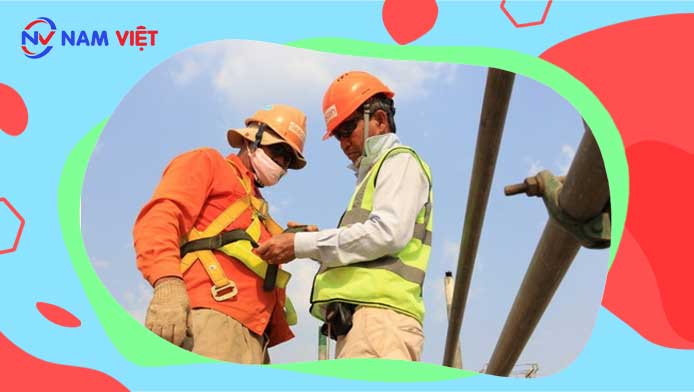
II. Safety methods and skills to reduce workplace accident risks
- Occupational safety training and education: Provides workers with knowledge and awareness of potential hazards in their work. Safety training helps them identify, assess, and handle hazardous situations safely and effectively.
- Proper use of protective equipment: Workers need to be fully equipped and properly use protective gear such as helmets, safety shoes, gloves, masks, safety goggles, etc. This protects them from potential hazards during work.
- Safe inspection, maintenance, and operation of machinery: Ensuring machinery and equipment operate correctly and are regularly maintained reduces the risk of accidents caused by malfunctions or equipment failures.
- Compliance with safety procedures and regulations: Workers must strictly follow the company’s safety procedures and regulations, such as not entering dangerous areas, not approaching operating equipment, and not working without safety training.
- Proper handling of chemicals: In industries using chemicals, proper storage, usage, and handling are critical. Following safety regulations when working with chemicals minimizes accident risks.
- Risk assessment and prevention: Conduct workplace risk assessments and apply preventive measures to reduce the likelihood of occupational accidents.
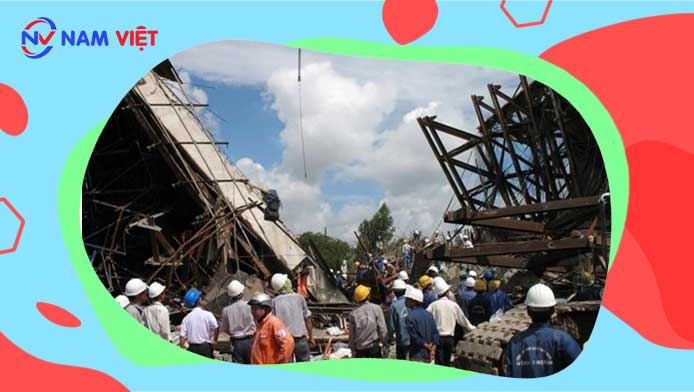
III. Applying occupational safety knowledge increases efficiency and reduces work disruption
Applying occupational safety knowledge is not only a legal obligation for companies but also an effective way to enhance work efficiency and minimize disruptions. Here are some benefits of applying occupational safety knowledge in the workplace:
- Reducing occupational accident risks: Understanding and applying safety rules and procedures helps minimize occupational accidents. When risks are limited, employees work more confidently and focus on tasks without worrying about their safety.
- Increasing employee confidence and satisfaction: Employees feel secure knowing they are trained and equipped with occupational safety knowledge. This boosts confidence, job satisfaction, morale, and productivity.
- Reducing downtime: Accidents and safety incidents can disrupt work. Employees trained to prevent and respond to hazards reduce unwanted incidents and downtime.
- Improving work efficiency and quality: Safety-trained employees work more effectively, with fewer mistakes. This improves product and service quality and strengthens company reliability with customers and partners.
- Reducing costs and losses: Accidents and safety incidents can damage employees and company assets. Applying occupational safety knowledge reduces compensation, treatment, and asset damage costs.

IV. Benefits of creating a safe, united, and positive work environment for employees and the company
A positive work environment is crucial for sustainable business growth and employee satisfaction and engagement. Creating a safe, united, and positive workplace brings several key benefits:
- Increasing productivity and work efficiency: A positive environment encourages creativity and contribution. When employees feel respected, motivated, and supported, they work with more energy and passion, increasing productivity.
- Reducing turnover and retaining talent: A positive workplace builds strong employee-employer relationships. Valued and cared-for employees are satisfied and less likely to leave, reducing recruitment and training costs.
- Enhancing company image and reputation: A positive environment builds a reputable image and credibility. Companies recognized as quality workplaces attract new talent and gain customer trust.
- Increasing customer satisfaction: Positive work environments are reflected in employees’ service and care toward customers. Satisfied and engaged employees create positive experiences, boosting customer satisfaction and loyalty.
- Enhancing competitiveness and sustainability: A positive workplace attracts and retains talent, increases productivity, and strengthens reputation. These factors improve competitiveness and ensure long-term sustainability.

V. Why employers value candidates with occupational safety knowledge and awareness
Employers increasingly appreciate candidates with occupational safety knowledge and awareness for the following reasons:
- Respect for human value: Employers value candidates who understand and prioritize human safety. Safety knowledge reflects self-care and concern for sustainable business development.
- Enhancing cooperation and teamwork: Safety-aware candidates tend to cooperate and support colleagues to ensure a safe workplace.
- Reducing risks and costs: Knowledgeable candidates help minimize occupational accidents and injuries, reducing related insurance and downtime costs.
- Improving company reputation: Employees with safety knowledge contribute to building a positive reputation and credibility for the company.
- Ensuring legal compliance: Candidates with safety knowledge understand relevant regulations and laws, helping the company avoid legal risks.

VI. Economic advantages of learning occupational safety in reducing costs and time related to workplace accidents
Investing in occupational safety training for employees brings significant economic benefits for companies. Key advantages include:
- Reducing labor insurance costs: Safety-trained employees have fewer accidents, lowering injury risks and insurance costs. A low accident rate benefits the company by reducing insurance payments.
- Savings on equipment repair and replacement: Safety-aware employees use machinery correctly, reducing equipment damage and repair/replacement costs.
- Increasing work efficiency: Safety-trained employees work more efficiently and minimize downtime from accidents, boosting productivity and revenue.
- Reducing sick leave: Knowledgeable employees avoid accidents, reducing leave time and maintaining workflow stability.
- Retaining talented employees: A safe work environment helps retain skilled employees, reducing recruitment and training costs.
Occupational safety training provides important economic advantages. Reducing labor insurance costs, saving on equipment repair/replacement, increasing efficiency, minimizing sick leave, and retaining talent are benefits companies gain by investing in employee safety training. You can find more information on occupational safety training duration according to Decree 44.

VII. How mastering occupational safety can open new opportunities and enhance job access
Investing in occupational safety training not only ensures employee safety but also benefits career development. Ways mastering safety opens opportunities:
- Enhancing skills and expertise: Training improves safety skills and knowledge, enabling safer work and opportunities for higher-level tasks requiring safety expertise.
- Increasing labor market competitiveness: Safety knowledge makes employees more competitive. Employers value safety-aware employees, creating chances for career advancement.
- Diversifying job opportunities: Safety training allows employees to apply to a wider range of roles, increasing opportunities in different industries.
- Building personal reputation: Safety mastery demonstrates responsibility and care for colleagues, enhancing professional reputation and trust with employers. A strong safety record opens promotion opportunities.
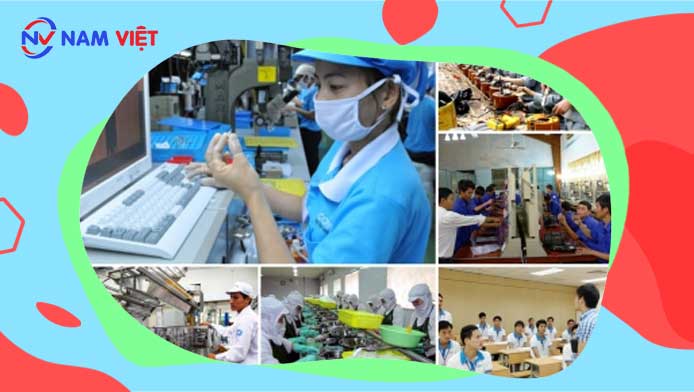
VIII. Occupational Safety Training Capacity of Nam Viet Safety
Nam Viet Safety is a reputable occupational safety training center in Vietnam, providing continuous training at factories, production sites, or construction sites nationwide (63 provinces in Vietnam).
REGISTER FOR OCCUPATIONAL SAFETY TRAINING
Training License
- Nam Viet Safety has been certified by the Department of Occupational Safety, Ministry of Labor – Invalids and Social Affairs as meeting the conditions for occupational safety and hygiene training. This reinforces our training capabilities.

Training Materials and Lectures
- Training materials for occupational safety courses are reviewed to ensure accuracy and effectiveness.
- Teaching methods follow Nam Viet Safety standards, researched by occupational safety experts to maximize knowledge absorption.
Facilities
- Controlling classroom factors enhances teaching efficiency and knowledge retention.
- Our training facilities provide spacious classrooms meeting standards for area, lighting, and equipment.
IX. National Occupational Environment Monitoring Center
Nam Viet Occupational Environment Monitoring Center is a professional unit monitoring workplace environmental quality across all provinces in Vietnam. With experienced monitoring specialists and modern equipment, the center ensures accuracy and reliability.
REGISTER FOR OCCUPATIONAL ENVIRONMENT MONITORING SERVICE
In addition to monitoring, the center supports clients in planning, handling, and tracking workplace environmental issues. With a customer-centric approach, it ensures satisfaction, meets all client needs, and provides optimal solutions.
Nam Viet’s monitoring center, with investments in technology and human resources, has become a reputable unit in Ho Chi Minh City with the following goals:
- Prioritize brand reputation and service quality.
- Provide clients with the best and most suitable solutions.
- Leverage experienced MSc and Engineer teams committed to environmental protection and business benefits.
- Receive professional service from monitoring experts, along with cost advantages.
Occupational environment monitoring process at Nam Viet includes:
- Ensure all monitoring equipment is calibrated and compliant with legal regulations.
- Follow monitoring procedures committed to the Department of Health.
- Report monitoring results transparently to employers.
- If results indicate unsafe conditions, Nam Viet assists in mitigation, and the company shall:
- Implement measures to improve working conditions and minimize harmful factors, preventing occupational diseases.
- Conduct health checks to detect early occupational diseases and related illnesses.
- Provide in-kind compensation for workers per labor law regulations.