
Hazard prevention
Applying Safety Techniques for Hazard Identification and Response

Sep
In an increasingly complex world, understanding and applying safety engineering principles has become more important than ever. This article will guide you on how to identify and respond to hazards using reliable safety techniques. Get ready for an exciting journey into a safer world.
I. Discover why understanding safety engineering is important for your daily life
In modern society, we are often exposed to many different safety risks every day. It could be when you drive to work, use electronic devices, work at your workplace, or even when you cook at home. Understanding safety engineering means you know how to prevent accidents and protect yourself, your family, and your community.
In addition, safety knowledge not only helps you stay away from danger, but also brings confidence in daily life. When you know how to respond to dangerous situations effectively, you become stronger and able to perform many activities with confidence.
Therefore, awakening safety awareness is an important part of daily life. By mastering knowledge of safety engineering, you not only protect yourself but also contribute to making the world around you safer.

II. Introduce the basic principles for creating a safer environment
Basic safety principles are the important foundation for creating a safer environment for us and the community around us. This is not only true in the field of work, but also applies in daily life.
1. Identify and assess risks: To create a safe environment, we need to understand and recognize the hazards and risks that may occur. This requires sensitivity and subtlety to identify potentially harmful situations.
2. Understand protection rules: Once risks are identified, applying protective measures is necessary. This may include using protective equipment, maintaining equipment and work tools, and adhering to specific safety rules for each situation.
3. Training and education: Everyone needs to be trained in safety and know how to respond to dangerous situations. Training helps raise awareness and skills necessary to ensure safety for oneself and others.
Laws and safety regulations are an important part of ensuring a safe working and living environment. Adhering to the law is everyone’s responsibility. You can see more details about occupational safety training content according to Decree 44.
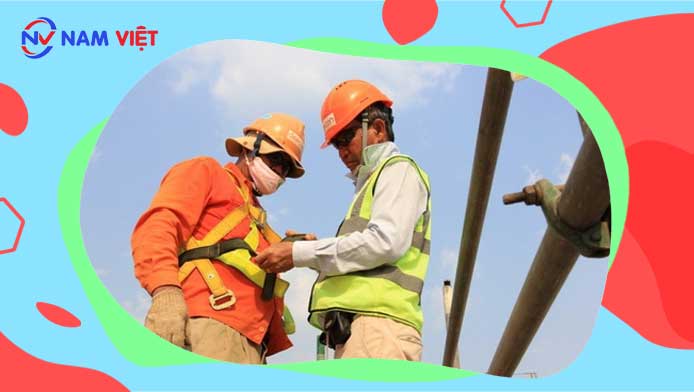
III. Learn how to identify and classify potential hazards
Classifying hazards is an important part of ensuring safety at work and in daily life. To better understand how to identify and classify potential hazards, we need to follow these basic steps:
1. Identify hazards: To classify hazards, we first need to identify situations, activities, or factors that could pose a risk to people’s safety. This requires observation and awareness of the surrounding environment.
2. Determine the type of hazard: Once hazards are identified, we need to determine the type of harm they can cause. It could be a physical hazard like machinery or chemical products, or it could be a health hazard like bacteria or toxic substances.
3. Assess the level of risk: To classify hazards, it is necessary to assess the level of risk that each type of hazard brings. This helps determine whether the hazard has a high, medium, or low level of risk and thereby implement appropriate safety measures.
4. Determine protective measures: Finally, after classifying the hazards, we need to determine appropriate protective measures to minimize or eliminate the risk. This may include using protective equipment, applying safe work procedures, or adhering to relevant rules and regulations.

IV. Explore tools and techniques for identifying hazards
During work or daily activities, identifying hazards is an important part of ensuring safety. To help you better understand the tools and techniques for identifying risks, here are some important aspects:
1. Observation: Your careful observation in the work environment or daily life can help detect hazards. Pay attention to situations, items, or behaviors that could pose a risk.
2. Use charts and process diagrams: In some industries like manufacturing and construction, using charts and process diagrams helps track and identify potential risks in the production or work process.
3. Risk analysis: Tools like risk analysis help assess the danger level of specific situations. This helps you prioritize handling more significant risks.
4. Use learning and training measures: Training and learning about safety is a good way to understand and recognize risks. Training courses often provide the necessary knowledge and skills to identify hazards and respond to them.
5. Use alarm systems: In some cases, using alarm systems or sensors can help you detect risks early and issue warnings.
6. Use safety regulations and procedures: Adhering to safety regulations and procedures is an important part of identifying and minimizing risks.

V. Learn how to respond to hazards and implement effective preventive measures
When considering responding to hazards and implementing preventive measures, we are talking about creating a safer environment for ourselves and others. Here are some basic ways to do this:
1. Develop a response plan: Consider potential situations and develop a response plan. This may include identifying emergency measures, evacuation procedures, and how to contact authorities in an emergency.
2. Ensure rescue equipment: Especially in hazardous work environments, ensure that rescue equipment such as protective clothing, masks, and first-aid vehicles are available and meet safety standards.
3. Training and learning: Everyone in the work environment or daily life should participate in training on how to respond to hazards and implement preventive measures. This helps raise safety awareness and prepare for the worst-case scenario.
4. Create a safe work environment: Businesses and organizations should promote compliance with safety regulations and create a safer work environment. This includes implementing measures to minimize the risk of occupational accidents.
5. Check and evaluate: Continuously check and evaluate the performance of preventive and response measures. If an incident occurs or there is an opportunity for improvement, adjust your plan and measures.
Remember, responding to hazards and implementing preventive measures is not only an individual’s responsibility but also that of the community and organization. Cooperation and safety awareness can help create a safe environment and protect everyone’s health and life. You can see more details about occupational safety training duration according to Decree 44.
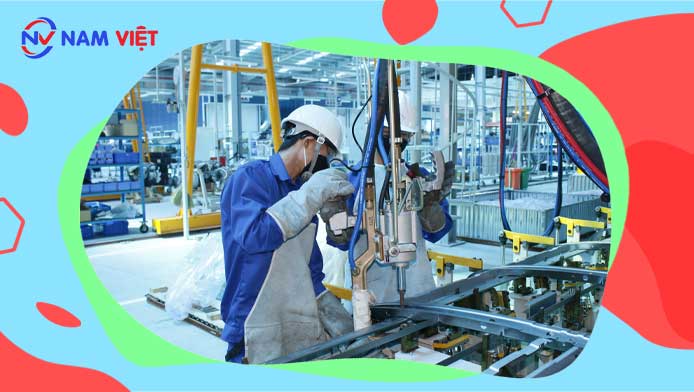
VI. Why sharing safety information is important and how to do it
Sharing safety knowledge is an important part of building a safer community and work environment.
1. Create awareness: Sharing safety information helps people recognize potential hazards in their work environment or daily life. This helps them better understand the risks and how to deal with them.
2. Protect health and life: Safety knowledge can prevent accidents and injuries. Sharing information on how to ensure safety when using tools, equipment, or performing daily activities can keep people healthy and protect their lives.
3. Create a safe work environment: In the workplace, sharing safety knowledge helps create a safety culture. Employees can report risks and participate in proposing safety improvement measures.
4. Support the community: Sharing safety knowledge doesn’t just stop at the workplace; it can also cover the entire community. Learning how to perform rescues, handle emergencies, and prevent accidents can be useful in daily life and in emergencies.
5. Create solidarity: Sharing safety knowledge creates solidarity within the community or workplace. It shows care and respect for each other’s health and safety.

VII. Evaluate how to use safety techniques to protect yourself and create a safer life
In the process of learning and applying safety techniques, summarizing and evaluating is an important part of ensuring that you are creating a safe environment for yourself and others.
1. Review and evaluate: First, review how you have applied safety principles and techniques in your daily life or workplace. Ask yourself if you have implemented hazard prevention measures, used protective equipment, and followed safety rules.
2. Review results: Consider the results of your application of safety techniques. This includes avoiding accidents, protecting your health and life, and improving your work or daily living environment.
3. Adjust and improve: Based on what you have learned and observed from the summary, change and improve how you apply safety techniques. This may include adjusting work processes, investing in better protective equipment, or enhancing safety training and awareness.
4. Share experiences: Share your experiences and knowledge with others in your community or workplace. This can help them learn and improve their safety.
5. Maintain: Safety is an ongoing process, so maintain the application of safety techniques in your daily life and workplace. This requires commitment and self-monitoring to ensure continuous safety.
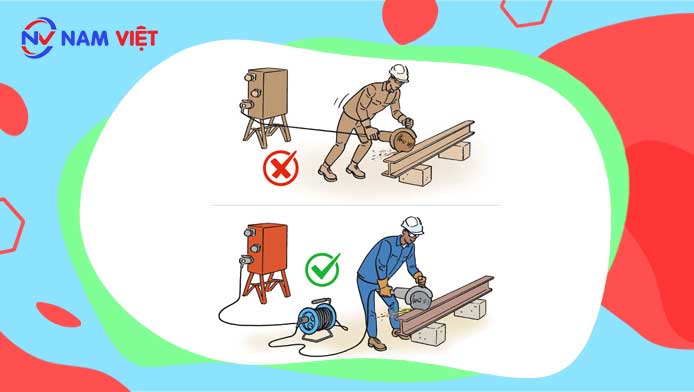
VIII. Occupational Safety Training Capability of An Toan Nam Viet
An Toan Nam Viet is a reputable and high-quality center specializing in occupational safety training (in many different languages such as English, Chinese, Japanese, Korean….) in Vietnam today. With occupational safety training sessions held continuously at workshops, factories, or construction sites across the country (63 provinces in Vietnam).
REGISTER FOR OCCUPATIONAL SAFETY TRAINING SERVICE
License occupational safety training
- An Toan Nam Viet has been inspected and granted a certificate of eligibility for occupational safety and hygiene training activities by the Department of Work Safety of the Ministry of Labor – Invalids and Social Affairs. This further strengthens our occupational safety training operational capacity.

Documents and lectures
- Before occupational safety training materials are used in OSH training courses, they are reviewed and censored to ensure that the lectures are always factually correct and effective when applied.
- The teaching methods of the lecturers are synchronized according to the teaching standards of An Toan Nam Viet, which is a method that experts in occupational safety and hygiene training work have researched and concluded during the teaching process to bring the highest knowledge acquisition efficiency for students.
Facilities
- Controlling factors in the classroom that affect the training process will increase teaching efficiency and students’ knowledge acquisition effectiveness.
- Our facilities supporting the training course always arrange spacious classrooms that meet standards for area, lighting, training equipment …etc…
IX. Nationwide occupational environment monitoring center
Nam Viet’s occupational environment monitoring center is a professional unit for monitoring and measuring the quality of the working environment across all provinces in Vietnam. With a team of experienced monitoring specialists, the center uses modern measuring equipment, ensuring accuracy and reliability.
REGISTER FOR OCCUPATIONAL ENVIRONMENT MONITORING SERVICE
In addition to providing monitoring services, the center also supports customers in planning, handling, and monitoring occupational environment issues. With the motto “customer is the center”, we always bring customer satisfaction, meet all customer needs, and commit to providing the best solutions for businesses.
With investment in techniques, technology, and human resources, Nam Viet’s monitoring center has become one of the reputable units in the field of occupational environment monitoring in Ho Chi Minh City with the following objectives:
- We always value our brand reputation and the quality of our products and services.
- We provide customers with the best and most suitable things possible.
- Along with a team of experienced and specialized Masters and Engineers with a desire to protect the environment and benefit businesses.
- Coming to Nam Viet Environmental Monitoring team, your company will receive professional service with experts in the monitoring field. At the same time, you will get the best cost incentives.
The process of implementing occupational environment monitoring at Nam Viet includes the following basic steps:
- Before implementing occupational environment monitoring, our company always ensures that machinery and equipment for occupational environment monitoring are calibrated and verified in accordance with legal regulations.
- Implement the occupational environment monitoring process correctly and fully as committed to the Department of Health.
- Truthfully report the occupational environment monitoring results to the employer.
- In case the occupational environment monitoring results do not ensure safety for employees, Nam Viet company will support in providing remedial solutions and the labor facility will implement the following:
- Implement measures to improve working conditions to minimize the impact of harmful factors and prevent occupational diseases.
- Organize health check-ups to detect occupational diseases and work-related diseases early for employees in positions with unsecured working environments.
- Provide compensation in kind for employees according to labor laws.