
Working environment factors
How does Hexahydro-3-methyl phthalic Anhydride affect workers’ health?
Jul
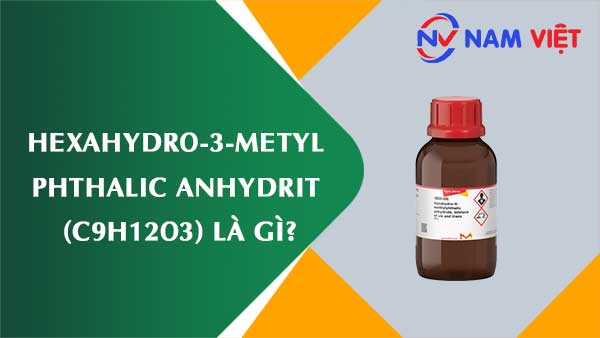
Hexahydro-3-methyl phthalic anhydride (C9H12O3) is a common chemical in manufacturing plants, but its impact on worker health is not widely known. This article will help you understand more about the effects of this chemical and how to effectively protect your health when working in an environment where it is used.
1. What is Hexahydro-3-methyl phthalic anhydride?
Hexahydro-3-methyl phthalic anhydride (C9H12O3) is a chemical compound belonging to the anhydride group, widely used in the manufacturing industry. This chemical has the formula C9H12O3, indicating that each molecule consists of 9 carbon atoms, 12 hydrogen atoms, and 3 oxygen atoms.
Structurally, Hexahydro-3-methyl phthalic anhydride has a specific structure with two benzene rings linked through an anhydride group. This compound is often used as a stabilizer or additive in many industrial products such as paints, plastics, rubber, and building materials. Thanks to its chemical properties, it can react with other compounds to create products with high durability and good mechanical properties.
However, although Hexahydro-3-methyl phthalic anhydride has many industrial applications, exposure to this chemical needs to be carefully managed. Understanding the structure and characteristics of this compound will help managers and workers recognize potential risks and take appropriate preventive measures to protect health.
| No. | Chemical Name in Vietnamese | Chemical Name in English | HS Code | CAS Number | Chemical Formula |
| 1. | Hexahydro-3-metyl phthalic anhydrit | Hexahydro-3-methyl phthalic anhydride | 29172000 | 57110-29-9 | C9H12O3 |
See more services chemical safety training according to Decree 113/2017/ND-CP
REGISTER FOR CHEMICAL SAFETY TRAINING ACCORDING TO DECREE 113
2.What are the sources of Hexahydro-3-methyl phthalic anhydride in the production process?
Hexahydro-3-methyl phthalic anhydride primarily originates from production processes in the manufacturing and material processing industries. During production, this compound often appears as a byproduct or component in chemical mixtures.
When producing products such as paints, plastics, rubber, and building materials, Hexahydro-3-methyl phthalic anhydride may be used as an additive to improve the properties of the final product. For example, in the paint industry, this compound is used to enhance the durability and water resistance of the paint layer. Meanwhile, in the plastic and rubber industries, it plays an important role in stabilizing the structure and enhancing the mechanical properties of the product.
However, besides being added to products, Hexahydro-3-methyl phthalic anhydride can also be generated from chemical reactions during the production process. In many cases, it can arise from unwanted side reactions or due to the decomposition of other chemical compounds containing anhydride groups.
The presence of Hexahydro-3-methyl phthalic anhydride in the production environment depends on factors such as the type of product being manufactured, the production process, and the pollution control measures applied. Therefore, monitoring and managing the sources of this compound is crucial to minimize the risk of effects on worker health and the work environment.

3. Industries that use Hexahydro-3-methyl phthalic anhydride in production
Hexahydro-3-methyl phthalic anhydride is used in many different industries thanks to its special chemical properties. In production, this compound plays an important role in improving and adjusting the features of the final product.
One of the main industries using Hexahydro-3-methyl phthalic anhydride is the paint and coatings industry. In this sector, the compound is used as an additive to enhance the durability of the paint layer, while improving water resistance and resistance to environmental impacts. Adding Hexahydro-3-methyl phthalic anhydride to paints and coatings helps create high-quality, durable products that can maintain their gloss for a long time.
The plastics industry is another important field where Hexahydro-3-methyl phthalic anhydride is applied. In plastics production, this compound is often used to improve the mechanical properties of plastics, such as strength, flexibility, and resistance to cracking. It helps create plastics with better load-bearing capacity and extends the product’s lifespan.
In addition, Hexahydro-3-methyl phthalic anhydride is also used in the rubber industry, where it helps improve the adhesion and stability of rubber in products such as tires, conveyor belts, and other rubber components. This compound makes rubber more heat-resistant and less prone to wear over time.
Thanks to the versatility and significant performance improvements that Hexahydro-3-methyl phthalic anhydride offers, it has become an important component in many different production processes, helping to enhance the quality and performance of industrial products.
4. How does Hexahydro-3-methyl phthalic anhydride affect workers?
Hexahydro-3-methyl phthalic anhydride, although having many important industrial applications, can cause negative health effects for workers upon long-term exposure or at high concentrations. Studies show that this compound can cause allergic reactions and irritation on the skin, especially for those working in environments with frequent contact with this chemical.
When exposed to Hexahydro-3-methyl phthalic anhydride, workers may experience irritation symptoms such as skin redness, itching, and rashes. These problems often occur when the compound comes into direct contact with the skin or through chemical vapors in the air. For individuals who are sensitive or have a history of skin problems, the risk of allergy may be higher.
In addition, inhaling vapors of Hexahydro-3-methyl phthalic anhydride can cause respiratory irritation. Common symptoms include coughing, difficulty breathing, and rhinitis. In severe cases, long-term exposure to this compound can lead to chronic respiratory problems and increase the risk of lung diseases such as bronchitis or asthma.
For workers in factories or production areas using Hexahydro-3-methyl phthalic anhydride, failure to comply with occupational safety measures can lead to the accumulation of this compound in the body, thereby causing long-term health effects. To minimize these risks, protective measures must be implemented, including the use of personal protective equipment such as gloves, masks, and appropriate protective clothing.
Businesses need to establish effective pollution control procedures and regularly check the concentration of Hexahydro-3-methyl phthalic anhydride in the work environment to protect worker health. Training on occupational safety and implementing appropriate preventive measures are essential to minimize the negative effects of this compound and ensure the long-term health of workers.
5. Permissible safe concentration of Hexahydro-3-methyl phthalic anhydride for human exposure
The permissible safe concentration of Hexahydro-3-methyl phthalic anhydride for human exposure is regulated by health and occupational safety agencies to protect worker health in the work environment. These regulations aim to ensure that the concentration of this compound in the air does not exceed harmful levels, thereby minimizing health risks for workers.
According to international standards and regulations in many countries, the maximum concentration of Hexahydro-3-methyl phthalic anhydride in the air is specifically limited. For example, organizations such as OSHA (Occupational Safety and Health Administration) and ACGIH (American Conference of Governmental and Industrial Hygienists) often issue occupational exposure limit (OEL) values to ensure safety. According to these regulations, the safe concentration level of Hexahydro-3-methyl phthalic anhydride is typically set at very low levels, usually ranging from 1 to 5 mg/m³ of air, depending on specific regulations and national standards.
To achieve this concentration in the work environment, businesses need to implement effective control and management measures. The use of good ventilation systems, exhaust equipment, and methods to reduce the dispersion of the chemical into the air is crucial. Besides, regular monitoring of the chemical concentration in the air also helps ensure that it always remains within the permissible limit.
It should also be noted that, despite regulations on safe concentrations, long-term exposure to chemical compounds, even when concentrations are within permissible limits, can still cause cumulative health problems over time. Therefore, providing personal protective equipment and training workers on how to use and maintain them is crucial.
Companies need to comply with occupational safety regulations and standards to protect worker health, while implementing effective preventive and control measures to ensure the concentration of Hexahydro-3-methyl phthalic anhydride remains within the permissible safe level.

At a basic level, if working in an industrial environment, it is important to adhere to safety standards and limit exposure to Hexahydro-3-methyl phthalic anhydride. Organizations like the Occupational Safety and Health Administration (OSHA) in the United States provide guidelines and safety principles to protect workers from the negative impacts of chemical substances.
6. Measures to minimize the effects of Hexahydro-3-methyl phthalic anhydride on worker health
To minimize the effects of Hexahydro-3-methyl phthalic anhydride on worker health, protective and preventive measures need to be implemented comprehensively and synchronously. This not only helps protect worker health but also ensures a safe and healthy work environment.
First, controlling the concentration of Hexahydro-3-methyl phthalic anhydride in the air is crucial. Businesses need to install effective ventilation and exhaust systems to reduce the concentration of the chemical in the air. The use of local ventilation systems, such as dust collectors and ventilation fans, can help remove or minimize the amount of chemical vapor dispersed in the work environment. At the same time, periodic testing and measurement of chemical concentrations need to be carried out to ensure that the concentration always remains within safe limits.
Besides controlling chemical concentrations, providing and requiring the use of personal protective equipment is very important. Equipment such as gloves, masks, safety goggles, and protective clothing helps protect workers from direct contact with the chemical and minimizes the risk of irritation or allergy. Ensuring that protective equipment is used correctly and regularly inspected and maintained is essential for optimal protection.
Training and raising awareness for workers about the risks associated with Hexahydro-3-methyl phthalic anhydride also play an important role in risk reduction. Training programs should include guidance on the use of protective equipment, incident handling procedures in case of chemical leaks, and how to maintain personal and workplace hygiene. When workers are equipped with appropriate knowledge and skills, they can better protect themselves and react quickly in emergency situations.
Occupational safety training: Workers need to be trained and educated about the risks and safety measures when working with this type of chemical. This training should be provided periodically and regularly to ensure understanding and proper adherence to safety rules.
Periodically organize workplace environment monitoring in factories and enterprises, collect and analyze factors harmful to workers, thereby adjusting to reduce hazard levels to prevent occupational diseases for them.
7. Nationwide workplace environment monitoring center
Nam Viet’s Workplace Environment Monitoring Center is a professional unit for monitoring and measuring the quality of the working environment in all provinces across Vietnam. With a team of experienced monitoring specialists, the center uses modern measuring equipment, ensuring accuracy and reliability.
REGISTER FOR WORKPLACE ENVIRONMENT MONITORING SERVICE
In addition to providing monitoring services, the center also supports clients in planning, addressing, and tracking workplace environment issues. With the motto “the customer is the center,” the center focuses on customer satisfaction, meets all customer needs, and commits to providing the best solutions for businesses.
With investment in techniques, technology, and human resources, Nam Viet’s monitoring center has been and is becoming one of the reputable units in the field of workplace environment monitoring in Ho Chi Minh City with the following objectives:
- We always value our brand reputation and the quality of our products and services.
- We provide customers with the best and most suitable things possible.
- Along with a team of experienced and specialized Masters and Engineers with a desire to protect the environment and benefit businesses.

- Coming to Nam Viet’s Environmental Monitoring team, your company will receive professional service from experts in the monitoring field. At the same time, you will get the best cost incentives.
8. Workplace environment monitoring quotation
To help businesses carry out workplace environment monitoring professionally and effectively, Nam Viet provides customers with a quality and reasonably priced quotation for workplace environment monitoring services.
- Our monitoring quotation provides detailed information about the prices of the monitoring services we offer. This includes costs related to travel, measurement, analysis, and reporting of results. Customers can be completely assured of the accuracy and reliability of the monitoring result reports we provide.
- We commit to always offering the most competitive and reasonable prices on the market, and we are always ready to consult and answer any questions about monitoring services quickly and professionally.
- With Nam Viet’s monitoring quotation, customers can easily choose service packages that suit their needs. We commit to bringing our customers the highest satisfaction with professional service quality.