
Working environment factors
How does Hydroxylamine Sulfate affect workers’ health?
Aug
Hydroxyl ammonium sulfate ((NH3OH)2SO4) is a chemical commonly used in manufacturing plants. So, how does this chemical affect worker health? This article will explore the potential risks and propose health protection measures when working with Hydroxyl ammonium sulfate. Read now to understand more!
1. What is Hydroxyl ammonium sulfate?
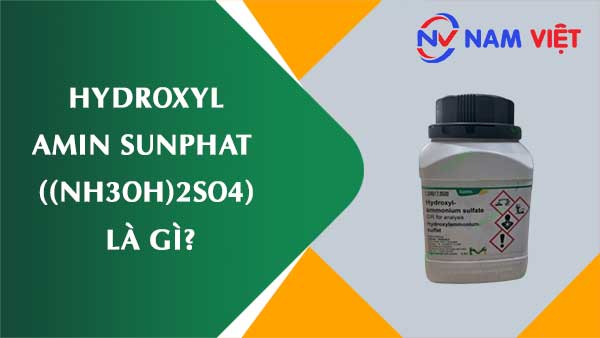
Hydroxyl ammonium sulfate, with the chemical formula (NH3OH)2SO4, is an important chemical compound in industry. Also known as ammonium hydroxyl sulfate, this chemical often appears as white crystals or powder. In its chemical formula, (NH3OH)2SO4 represents the combination of two hydroxyl ammonium groups (NH3OH) with one sulfate group (SO4).
Hydroxyl ammonium sulfate is mainly used as a catalyst in chemical synthesis processes and industrial production. In particular, it plays an important role in oxidation reactions, where it helps enhance the efficiency of chemical reactions. Widely used in the production of fertilizers, dyes, and some other chemical products, this compound helps improve the quality and performance of the final products.
However, the use of Hydroxyl ammonium sulfate must be done with caution, as it can pose some health risks if not handled properly. Understanding its chemical properties and applications is very important to ensure worker safety in production environments where this chemical is used.
| No. | Chemical Name in Vietnamese | Chemical Name in English | HS Code | CAS Number | Chemical Formula |
| 1. | Hydroxyl amin sunphat | Hydroxyl ammonium sulfate | 28251000 | 10039-54-0 | (NH3OH)2SO4 |
See more services chemical safety training according to Decree 113/2017/NĐ-CP
REGISTER FOR CHEMICAL OCCUPATIONAL SAFETY TRAINING ACCORDING TO DECREE 113
2.Where does Hydroxyl ammonium sulfate originate from in the production process?
Hydroxyl ammonium sulfate, with the chemical formula (NH3OH)2SO4, often arises during the production of industrial products related to this chemical. The origin of this compound mainly stems from its use as a catalyst or main component in some specific production processes.
In the chemical industry, Hydroxyl ammonium sulfate is often used in oxidation reactions or chemical synthesis. The production process of products such as fertilizers, dyes, or other chemical compounds can generate Hydroxyl ammonium sulfate as a byproduct. When chemical raw materials interact with each other, especially under high temperature and pressure conditions, Hydroxyl ammonium sulfate can form and appear in the production environment.
In addition, in manufacturing plants, the use of Hydroxyl ammonium sulfate can arise from the improper handling or storage of this chemical. Activities such as preparation, transfer of raw materials, or equipment cleaning can also lead to the dispersal of this compound. This can cause accumulation in the air or on surfaces, creating potential risks for worker health if not strictly controlled.

3. Industries that use Hydroxyl ammonium sulfate in production
Hydroxyl ammonium sulfate, with the chemical formula (NH3OH)2SO4, plays an important role in many different industries, thanks to its chemical properties. The industries using this compound mainly include the chemical industry, the fertilizer industry, and the dye manufacturing industry.
In the chemical industry, Hydroxyl ammonium sulfate is often used as a catalyst in chemical synthesis processes. This compound helps promote oxidation reactions, thereby enhancing the efficiency of chemical reactions and improving the quality of the final product. It often appears in the production of specialty chemicals, including organic and inorganic compounds.
The fertilizer industry is also a field that widely uses Hydroxyl ammonium sulfate. In fertilizer production, this compound can be used to improve the properties of the product, helping to provide necessary nutrients for plants. The use of Hydroxyl ammonium sulfate in fertilizers helps enhance fertilizer efficiency and support plant growth.
Besides, the dye industry also uses Hydroxyl ammonium sulfate in the production process. This compound plays an important role in creating different colors and shades for dye products. Thanks to its ability to interact with other raw materials, Hydroxyl ammonium sulfate helps improve the quality and durability of colors on fabrics and other materials.
In addition to the main industries above, Hydroxyl ammonium sulfate may also appear in some other industries such as the pharmaceutical industry and the food processing industry, although to a lesser extent. Understanding the application of Hydroxyl ammonium sulfate in these industries is very important for managing and controlling health risks, as well as ensuring safety during the production process.
4. How does Hydroxyl ammonium sulfate affect workers
Hydroxyl ammonium sulfate, despite its many important industrial applications, also poses significant health risks to workers. When exposed to this compound, workers may experience several health problems, especially if adequate protective and safety control measures are not implemented.
First, exposure to Hydroxyl ammonium sulfate can cause irritation to the skin and eyes. This compound, upon direct contact, can cause symptoms such as skin redness, itching, or dermatitis. If it gets into the eyes, it can cause a burning sensation, eye redness, and in more severe cases, can affect vision. Therefore, the use of personal protective equipment such as gloves and safety glasses is essential to minimize this risk.
In addition, inhaling the dust or vapor of Hydroxyl ammonium sulfate can lead to respiratory problems. Workers may experience symptoms such as coughing, difficulty breathing, or inflammation of the respiratory tract. In some severe cases, long-term or continuous exposure can lead to chronic lung diseases. Therefore, ensuring good ventilation in the work area and using protective masks are necessary to protect the respiratory system.
Another concern is the health risk when this compound is exposed for a long time or at high concentrations. Research shows that continuous exposure to Hydroxyl ammonium sulfate can cause long-term health problems, including effects on liver and kidney function. Therefore, conducting periodic health checks and strictly adhering to safety regulations are important to ensure worker health.
5. Permissible safe concentration of Hydroxyl ammonium sulfate for human exposure
To ensure health safety when working with Hydroxyl ammonium sulfate, determining the safe concentration of this compound in the work environment is very important. Safe concentration standards are often regulated by occupational health and safety management organizations to protect workers from the negative impacts of this chemical.
The safe concentration of Hydroxyl ammonium sulfate is regulated based on research and assessments of the hazard level of this compound to human health. According to international standards, the permissible limit concentration of Hydroxyl ammonium sulfate in the workplace air is often determined by indicators such as the Permissible Exposure Limit (PEL) or the Short-Term Exposure Limit (STEL).
In many countries, the safe limit concentration of Hydroxyl ammonium sulfate in the air is often set at around 1 mg/m³. This concentration level is calculated to ensure that workers are not exposed to high concentrations that could cause health problems. If the concentration in the work environment exceeds this limit, mitigation measures must be taken, such as improving the ventilation system, using personal protective equipment, and minimizing exposure time.
In addition to monitoring airborne concentrations, attention must also be paid to indicators of skin and eye contact, as Hydroxyl ammonium sulfate can cause irritation if in direct contact. Therefore, managers need to periodically check the concentration of this compound in the work environment and implement control measures to maintain a safe concentration level.

At a basic level, if working in an industrial environment, adhering to safety standards and limiting exposure to Hydroxyl ammonium sulfate is important. Organizations like the Occupational Safety and Health Administration (OSHA) in the United States provide guidelines and safety principles to protect workers from the negative impacts of chemical substances.
6. Measures to minimize the effects of Hydroxyl ammonium sulfate on worker health
To minimize the effects of Hydroxyl ammonium sulfate on worker health, applying protective and control measures is extremely important. These measures not only help protect worker health but also ensure safety in the work environment where this compound is used.
First, managing the concentration of Hydroxyl ammonium sulfate in the air is an important measure. The concentration of this compound must be continuously monitored to ensure that it always remains within the prescribed safe limits. Using specialized measuring devices to check the concentration in the air and taking corrective actions when necessary are essential to maintain a safe work environment.
Next, an effective ventilation system is an important factor in helping to reduce the concentration of Hydroxyl ammonium sulfate in the air. Installing and maintaining a good ventilation system helps remove or dilute the vapors and dust of this chemical, thereby minimizing the risk of inhalation. Ensuring that work areas using Hydroxyl ammonium sulfate are adequately ventilated and regularly checking the performance of the ventilation system are necessary.
In addition to managing the work environment, the use of personal protective equipment is very important. Workers must wear gloves, safety glasses, and dust masks when working with Hydroxyl ammonium sulfate to protect their skin, eyes, and respiratory system from direct contact with this chemical. Ensuring that personal protective equipment is fully provided and that workers are trained on how to use it correctly is essential.
Occupational safety training: Workers need to be trained and educated on the risks and safety measures when working with this type of chemical. This training should be provided periodically and regularly to ensure understanding and proper adherence to safety rules.
Periodically organize workplace environment monitoring in factories and enterprises, collect and analyze harmful factors for workers, thereby adjusting to reduce hazard levels to prevent occupational diseases for them.
7. National workplace environment monitoring center
Nam Viet’s workplace environment monitoring center is a professional unit for monitoring and measuring the quality of the working environment in all provinces across Vietnam. With a team of experienced monitoring specialists, the center uses modern measuring equipment, ensuring accuracy and reliability.
REGISTER FOR WORKPLACE ENVIRONMENT MONITORING SERVICE
In addition to providing monitoring services, the center also supports customers in planning, handling, and tracking workplace environment issues. With the motto “the customer is the center,” the center focuses on customer satisfaction, meets all customer needs, and commits to providing the best solutions for businesses.
With investment in techniques, technology, and human resources, Nam Viet’s monitoring center has been and is becoming one of the reputable units in the field of workplace environment monitoring in Ho Chi Minh City with the following objectives:
- We always value our brand reputation and the quality of our products and services.
- We provide customers with the best and most suitable things possible.
- Along with a team of experienced and specialized Masters and Engineers with a desire to protect the environment and benefit businesses.

- Coming to the Nam Viet Environmental Monitoring team, your company will receive professional service with experts in the monitoring field. At the same time, you will get the best cost incentives.
8. Workplace environment monitoring quotation
To help businesses carry out workplace environment monitoring professionally and effectively, Nam Viet provides customers with a quality and reasonably priced quotation for workplace environment monitoring services.
- Our monitoring quotation table provides detailed information about the prices of the monitoring services we offer. This includes costs related to travel, measurement, analysis, and reporting of results. Customers can be completely assured of the accuracy and reliability of the monitoring results reports we provide.
- We commit to always offering the most competitive and reasonable prices on the market, and we are always ready to consult and answer any questions about monitoring services quickly and professionally.
- With Nam Viet’s monitoring quotation table, customers can easily choose service packages that suit their needs. We are committed to bringing customers the highest satisfaction with professional service quality.