
Occupational disease
Occupational asbestosis

Apr
Asbestos is a fibrous chemical compound widely used in material industries due to its heat resistance, acid resistance, fire resistance, sound insulation, and high electrical insulation. Frequent exposure to and inhalation of asbestos fibers can cause pulmonary fibrosis and pleural damage. Therefore, it is considered an occupational disease, which typically appears 05–20 years after exposure to the harmful chemical.
If you are working in industries related to asbestos use or simply concerned about your health, this article will help you understand more about this dangerous disease and guide you on how to avoid asbestos dust exposure to protect your health.
1. What is occupational asbestos pneumoconiosis?
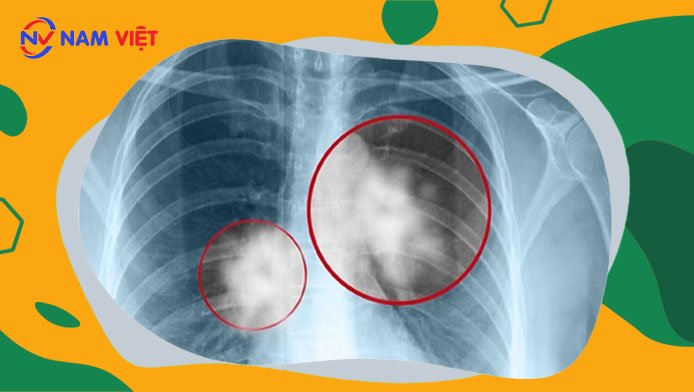
Occupational asbestos pneumoconiosis, also known as asbestosis, is a serious lung disease caused by inhaling asbestos dust during work. When inhaled, asbestos dust can damage lung tissues, leading to symptoms such as shortness of breath, chest pain, frequent coughing, dry cough, productive cough, and even coughing up blood.
To date, there is no definitive treatment for asbestosis because the lungs have already been damaged and cannot fully recover their function. Therefore, patients are primarily treated to alleviate symptoms such as breathing exercises, oxygen therapy, etc., and to manage complications such as impaired respiratory and circulatory function.
Early detection of occupational asbestos pneumoconiosis is crucial, and workers should follow health and occupational safety regulations to minimize exposure to asbestos dust.
2. Occupations at risk of asbestos pneumoconiosis
Occupations at risk of asbestos exposure include:
- Production of construction materials such as asbestos roofing sheets, water pipes, fireproofing materials, automotive parts,…
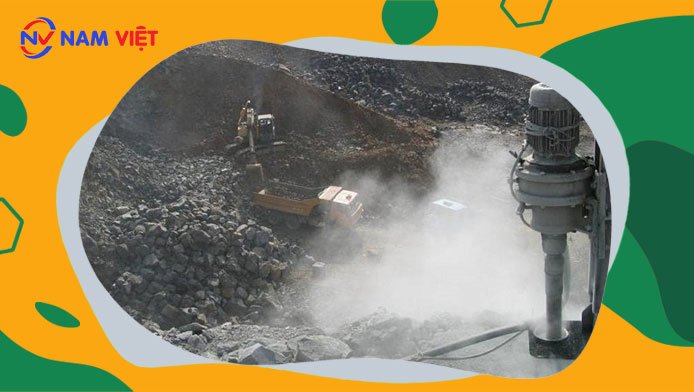
- Mining, drilling, breaking, digging, and performing dry processes such as crushing, grinding, and screening asbestos-containing rock ores
- Working in the maritime and shipbuilding industries, especially during maintenance, repair, and restoration of ship parts containing asbestos
- Performing brushing, pulling, and weaving asbestos fibers
- Working in industries manufacturing asbestos cement, fiberglass materials, ceramics, paper pulp, and other products using asbestos as an additive.
If you work in these occupations or come into contact with asbestos-containing products, you are at high risk of asbestosis. Therefore, take proactive health protection measures and wear proper protective equipment to minimize asbestos dust exposure.
3. Mechanism and causes of asbestos pneumoconiosis
Asbestos pneumoconiosis is a serious lung disease caused by inhaling asbestos fibers. These fibers are very small and can remain in the lungs for many years, causing damage and inflammation.
The mechanism begins when needle-like asbestos fibers enter the lungs and penetrate the alveoli. These fibers cannot be eliminated, gradually accumulate, and stimulate proliferation and fibrosis of interstitial tissues. Asbestos fibers may also migrate into the pleura, causing effusion and thickening.
Use the Smart Scoring Tool to Self-Assess and Address Occupational Health Risks. Occupational Asbestos Pneumoconiosis Risk Assessment Tool to determine your personal risk level and receive effective preventive recommendations.
4. Symptoms of asbestos pneumoconiosis
Symptoms of asbestos pneumoconiosis include:
- Shortness of breath: This is the most common symptom. Initially, it appears during physical activity, but as the disease progresses, it may occur even at rest.
- Coughing: Persistent coughing, dry cough, productive cough, or even coughing up blood.
- Chest pain: This may occur due to lung inflammation or bronchial obstruction.
- Fatigue and reduced physical capacity: These symptoms often appear as the disease progresses.
- Weight loss and loss of appetite.
- Sneezing and runny nose: Caused by asbestos irritating the nasal and throat mucosa.
- Swelling of legs and joints: Due to reduced blood flow and impaired heart function.
5. Harms of occupational asbestos pneumoconiosis
Occupational asbestos pneumoconiosis is a dangerous lung disease that can cause serious health consequences. The main harms include:
- Pneumonia: Asbestos entering the lungs may cause inflammation with symptoms such as difficulty breathing, coughing, chest pain, and fever.
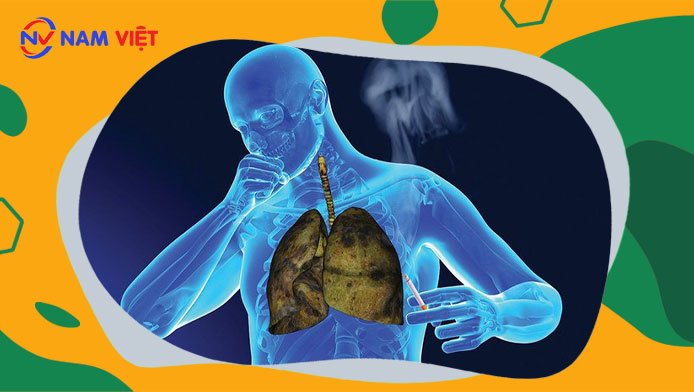
- Lung cancer: Asbestosis is linked to lung cancer, especially in smokers. Patients also have a higher risk of other cancers such as lymphatic and stomach cancer.
- Tuberculosis: Asbestos weakens the immune system, increasing susceptibility to tuberculosis.
- Mental health impacts: Anxiety, stress, and other psychological issues.
- Death: Without timely diagnosis and treatment, the disease may be fatal.
- Other conditions such as heart failure, liver failure, kidney failure, and impaired liver function.
Therefore, preventing asbestos exposure is crucial. If you suspect exposure, consult a doctor for examination and timely advice.
6. Complications of asbestos pneumoconiosis
Asbestosis progresses slowly, and lung damage may develop into complications such as:
- Respiratory dysfunctions: bronchiectasis, bronchitis, pleural effusion, pleural thickening, pleural calcification, lung collapse, tuberculosis, increased risk of pleural and peritoneal cancers.
- Higher risk of lung cancer, especially in smokers.
- Hematologic disorders such as myeloma, lymphocytic leukemia, lymphoblastic tumors,…
Asbestosis cannot be completely cured; therefore, patients should avoid further exposure and maintain a healthy lifestyle. Seek medical attention immediately if symptoms worsen.
7. Necessary protective equipment to prevent asbestos pneumoconiosis
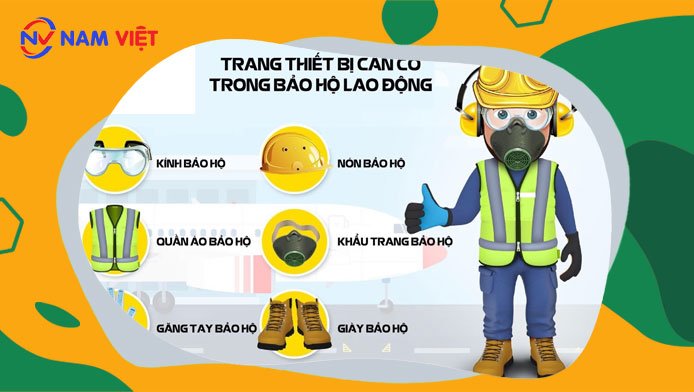
Protective gear is essential for preventing asbestos pneumoconiosis. Necessary equipment includes:
- Respirator mask: Designed to cover the nose and mouth, preventing inhalation of asbestos dust and other toxic substances.
- Dust-resistant jacket: Made from dust-proof, heat-resistant materials to prevent direct contact with asbestos.
- Dust-proof gloves: Prevent asbestos dust from contacting your hands.
- Protective goggles: Protect the eyes from asbestos dust and toxic substances.
- Protective clothing: Made from dust-resistant, heat-resistant materials.
- Safety shoes: Protect feet from direct exposure to asbestos dust.
Other equipment includes vacuum systems, adjustable workbenches, and additional measures to minimize exposure. Using protective gear and complying with safety regulations is the most effective way to prevent asbestosis.
8. Compensation for workers with asbestos pneumoconiosis
In Vietnam, workers with asbestos pneumoconiosis are compensated according to legal regulations. Under the Social Insurance Law, workers with occupational diseases, including asbestosis, are entitled to social insurance benefits.
Additionally, workers may claim extra compensation from employers if they can prove that workplace safety requirements were not met. However, they must provide sufficient evidence and follow legal procedures.
Regulations and compensation rates may change over time. If you are affected, you should research current laws and procedures for filing compensation claims.
9. Treatment for asbestos pneumoconiosis
Currently, there is no definitive treatment for asbestosis because lung damage cannot be fully reversed. Treatment focuses on easing symptoms—breathing exercises, oxygen therapy—and managing complications related to respiratory and circulatory dysfunction.
To avoid worsening the condition, patients should quit smoking, avoid exposure to harmful chemicals, and undergo periodic check-ups for early detection of infections.
10. Prevention of occupational asbestos pneumoconiosis
To prevent occupational asbestosis, you should:
- Use protective equipment: masks, goggles, gloves, and protective clothing when working in asbestos-prone environments.
- Implement dust control measures: regular cleaning, using vacuum and filtration systems.
- Follow occupational safety procedures: safety training, minimizing exposure time, using protective systems.
- Have regular health check-ups, especially if working in high-risk environments.
- Avoid smoking: Smoking increases the risk of lung cancer for those exposed to asbestos.
- Businesses must conduct workplace environmental monitoring and report results periodically to improve working conditions.
Prevention is essential to protect your health and that of your loved ones.
11. Employer responsibilities in preventing asbestos pneumoconiosis
Businesses are responsible for protecting workers’ health, especially in asbestos-related industries. Responsibilities include:
- Providing adequate protective equipment.
- Implementing dust control measures, regular cleaning, and installing advanced dust filtration systems.
- Training workers on safety practices and correct use of protective equipment.
- Assessing asbestos exposure risks and applying preventive strategies.
- Registering and reporting asbestos-related risks to authorities.
- Organizing periodic health check-ups for workers.

12. National Occupational Environmental Monitoring Center
Nam Viet’s Occupational Environmental Monitoring Center is a professional unit specializing in monitoring and measuring workplace environment quality across all provinces in Vietnam. With an experienced team of monitoring specialists and modern equipment, the center ensures accuracy and reliability.
REGISTER FOR WORKPLACE ENVIRONMENT MONITORING SERVICE
The center also assists clients in planning, handling, and monitoring workplace environmental issues. With a customer-centered approach, the center is dedicated to delivering optimal solutions.
With investments in technology and human resources, Nam Viet’s monitoring center is becoming a reputable unit in Ho Chi Minh City, with the following goals:
- We value brand reputation and service quality.
- We provide the best and most suitable solutions for clients.
- Our team of experts is committed to protecting the environment and providing value to businesses.

- With Nam Viet’s Monitoring Team, your company will receive professional service and the best cost advantages.
13. Workplace environment monitoring price list
To help businesses conduct workplace environmental monitoring efficiently, Nam Viet provides a high-quality and reasonably priced workplace environment monitoring price list.
- Our price list includes detailed information about the costs of monitoring services, including transportation, measurement, analysis, and reporting fees. Clients can trust the accuracy and reliability of our monitoring results.
- We are committed to offering the most competitive prices and providing professional consultation.
- Our flexible service options allow clients to choose packages that suit their needs, ensuring the highest satisfaction.