
Occupational disease
Occupational skin diseases caused by exposure to natural rubber and rubber additives

Apr
Occupational skin diseases caused by exposure to natural rubber and rubber additives are among the health issues of concern in the rubber manufacturing industry. Chemicals used in the production and processing of rubber can cause skin-related diseases, negatively affecting workers’ health and quality of life.
Understanding and applying preventive measures for occupational skin diseases is essential to ensure the safety of workers in the rubber manufacturing industry.
1. What are occupational skin diseases caused by exposure to natural rubber and rubber additives?
Occupational skin diseases caused by exposure to natural rubber and rubber additives are skin conditions in workers resulting from contact with natural rubber and rubber additive chemicals during work.

2. Occupations at risk of occupational skin diseases from exposure to natural rubber and rubber additives
Common occupations and exposure sources:
- Planting, harvesting, and pre-processing rubber latex.
- Manufacturing products using natural rubber as raw material.
- Healthcare workers.
- Other occupations with exposure to natural rubber and rubber additive chemicals.
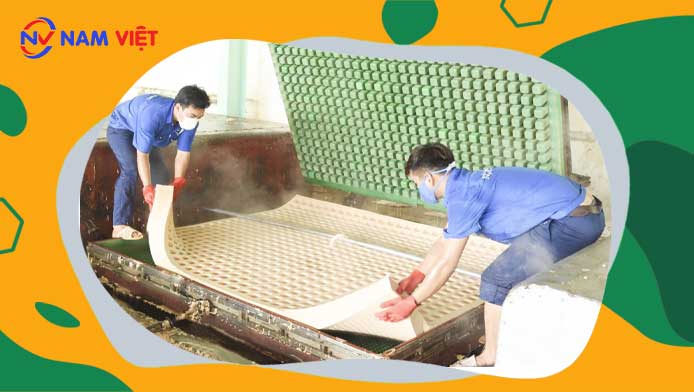
3. Mechanism and causes of occupational skin diseases due to exposure to natural rubber and rubber additives
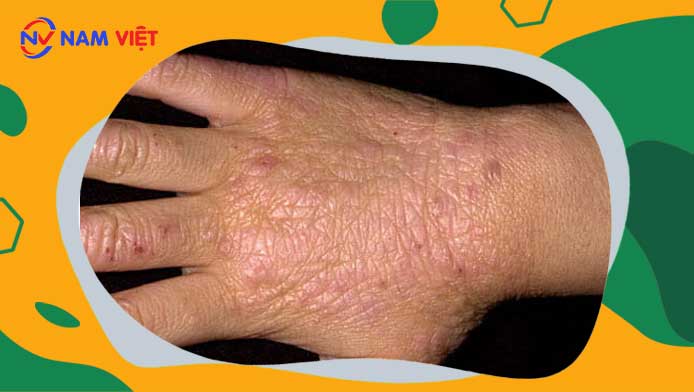
Natural rubber contains irritants that can cause allergic or irritant reactions on the skin. Prolonged exposure may lead to more severe skin diseases. Workers in the rubber industry are at high risk of skin toxicity due to long-term contact with natural rubber. Symptoms include dermatitis, dry skin, redness, cracking, and scaling.
Additionally, additive chemicals used in rubber production may also cause dermatological problems. These chemicals can trigger irritation or allergic reactions, leading to symptoms such as stinging, itching, and inflammation.
Discover the Occupational Skin Disease Risk Calculator for Natural Rubber and Rubber Additives, which provides an in-depth analysis of occupational skin diseases caused by exposure to natural rubber and rubber additives in the rubber industry. The tool offers detailed risk assessments and safety recommendations, helping workers and managers understand and manage workplace risks. With a multidimensional database and advanced algorithms, it is a reliable source of information for healthcare professionals and occupational safety managers. Its main goal is to protect workers’ health while supporting a safe and sustainable working environment.
4. Symptoms and effects of occupational skin diseases due to exposure to natural rubber and rubber additives
Workers with skin diseases caused by exposure to natural rubber and rubber additives may show symptoms such as:
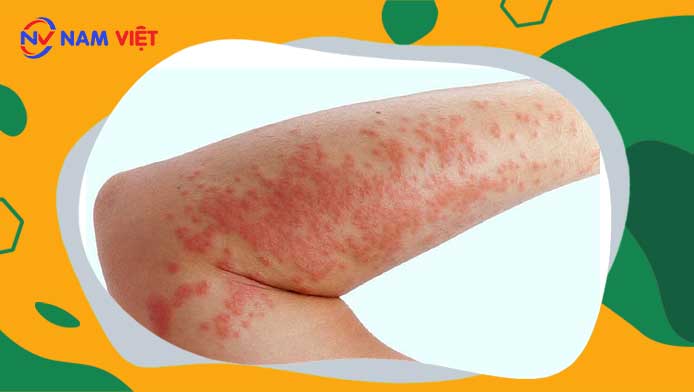
- Contact urticaria: Red, itchy welts at the site of exposure, chronic in nature (lasting more than 6 weeks), with thickened, hyperpigmented skin. Respiratory or eye involvement may occur.
- Irritant contact dermatitis: Red, stinging patches, chronic with scaling, cracking, pigment changes, limited to the area of exposure.
- Allergic contact dermatitis: Severe itching; acute lesions with redness, swelling, exudation; subacute with clustered blisters on red skin; chronic with thickened, darkened skin, scratching; may extend beyond contact areas.
5. Complications of occupational skin diseases due to exposure to natural rubber and rubber additives
Prolonged exposure to natural rubber and additives without timely treatment can lead to:
- Thickened skin.
- Lichenification.
- Hyper- or hypopigmentation.
Additional associated conditions may include:
- Asthma.
- Allergic rhinitis and sinusitis.
6. Protective equipment required to prevent occupational skin diseases due to exposure to natural rubber and rubber additives
Protective equipment includes:
- Gloves to protect hands from direct contact with natural rubber and additives, reducing infection and skin irritation.
- Protective clothing to cover the body and prevent direct contact with rubber and chemicals.
- Safety goggles to protect eyes from chemicals and fine dust.
- Respiratory masks to protect the respiratory system from airborne chemicals and dust.
Workers should also maintain hand hygiene and wear protective gear fully.
7. Compensation for workers with occupational skin diseases due to natural rubber and rubber additives
In Vietnam, workers affected by occupational skin diseases from natural rubber and additives are entitled to compensation under the Social Insurance Law. Compensation includes:
- Support for wages, medical treatment, and other costs related to treatment and recovery.
- If unsafe working conditions caused the disease, workers can request improvements and financial compensation from employers.
Compensation is processed through social insurance agencies after providing full documentation of the occupational disease.
8. Treatment of occupational skin diseases due to natural rubber and rubber additives
Treatment depends on severity and type but generally includes:
- Ceasing exposure to natural rubber and additives.
- Using topical anti-irritant products to relieve discomfort and prevent infection.
- Using medications to reduce itching, inflammation, and swelling as prescribed.
- Preventive measures: wearing protective gear, keeping skin clean and dry, and regular health check-ups.
Severe cases require dermatology or medical specialists for tailored treatment.
9. Preventive measures for occupational skin diseases due to natural rubber and rubber additives
Preventive steps include:
- Wearing protective equipment: gloves, jackets, helmets, goggles, etc.
- Cleaning skin thoroughly after exposure.
- Avoiding chemical contact and using protective gear in chemical-rich environments.
- Regular health check-ups and consulting medical experts.
- Maintaining nutrition, exercise, and mental well-being for strong immunity.
10. Responsibilities of enterprises in preventing occupational skin diseases due to natural rubber and rubber additives
Enterprises must:
- Ensure a safe working environment.
- Provide protective equipment and training on its proper use.
- Conduct regular health checks for early disease detection and treatment.
- Support affected employees with treatment and compensation per law.
- Perform occupational environment monitoring and report results to improve workplace safety.
11. National Occupational Environment Monitoring Center
Nam Viet Occupational Environment Monitoring Center is a professional unit monitoring workplace environmental quality across all provinces in Vietnam. With experienced monitoring specialists and modern equipment, the center ensures accuracy and reliability.
REGISTER FOR OCCUPATIONAL ENVIRONMENT MONITORING SERVICE
The center also assists clients in planning, handling, and tracking occupational environment issues, focusing on customer satisfaction and providing optimal solutions for businesses.
- Prioritizing brand reputation and service quality.
- Providing the best and most suitable service solutions.
- Supporting environmental protection with experienced Masters and Engineers.

- Clients receive professional service and best pricing.
12. Occupational Environment Monitoring Service Pricing
Nam Viet provides pricing for occupational environment monitoring services for businesses professionally and cost-effectively.
- The pricing table details costs for monitoring services, including travel, measurement, analysis, and reporting, ensuring accuracy and reliability.
- We commit to competitive and reasonable prices, and promptly answer service inquiries.
- Customers can easily select appropriate service packages, ensuring high satisfaction with professional quality.