
Working environment factors
How Does Benzyl Dimethylamine Affect Workers’ Health?
Nov
Dimethyl benzyl amine, a chemical compound widely used in many industries, especially in the production and processing of chemical products. However, unsafe exposure to this substance can create negative effects on the health of workers. In this article, we will look in detail at the impact of dimethyl benzyl amine on health, the potential risks, and the safety measures that need to be implemented to protect workers from potentially harmful effects.
1. What is Dimethyl benzyl amine?
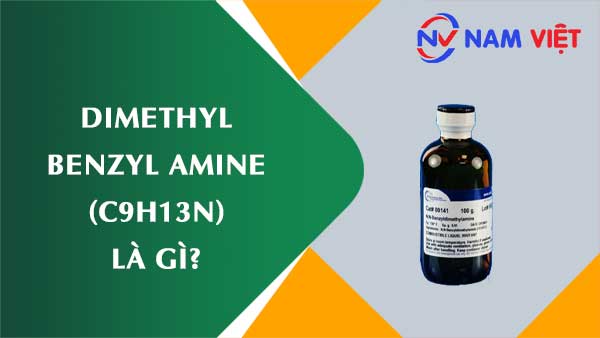
Dimethyl benzyl amine (C9H13N) is a chemical compound belonging to the amine class, where two methyl groups (-CH3) are attached to a part of the benzyl amine molecule. Specifically, in dimethyl benzyl amine, part of the benzyl amine molecule has been replaced by two methyl groups. Its detailed chemical formula is C9H13N.
This compound is often used in many industrial applications, including the production of chemicals and additives. The properties and applications of dimethyl benzyl amine may depend on the specific context of use in different production processes or applications.
| No. | Chemical Name in Vietnamese | Chemical Name in English | HS Code | CAS Number | Chemical Formula |
| 1. | Benzyl dimetyl amin | Dimethyl benzyl amine | 29214900 | 103-83-3 | C9H13N |
See more service chemical safety training according to Decree 113/2017/ND-CP
2. Where does Dimethyl benzyl amine originate from in the production process?
Dimethyl benzyl amine typically originates from chemical processes in industry. It can be produced through specific chemical reactions between benzyl amine and methylating compounds, such as methyl chloride or methyl bromide. In this process, methyl groups (-CH3) are added to the benzyl amine molecule, creating dimethyl benzyl amine.
This production process is usually carefully controlled to ensure quality and efficiency, using appropriate reaction conditions and catalysts. Afterward, dimethyl benzyl amine can be used in many different applications, but most importantly in the chemical and manufacturing industries.

3. Industries that use Dimethyl benzyl amine in production
Dimethyl benzyl amine (C9H13N) is widely used in many different industries due to its special chemical properties. Below are some of the main industries where dimethyl benzyl amine is commonly used in the production process:
- Chemical industry: Dimethyl benzyl amine is often used as an additive or intermediate in the production process of complex chemical compounds.
- Pharmaceutical industry: It has some applications in the pharmaceutical field, where dimethyl benzyl amine may be used to produce specific types of drugs.
- Processing industry: Dimethyl benzyl amine can also be used in the processing of various products, such as additives in the production of construction materials.
- Oil and gas industry: There are some applications in the oil and gas industry, for example, in chemical production processes related to the energy sector.
- Polymer synthesis industry: Dimethyl benzyl amine can be used in the production process of polymers and other synthetic materials.
4. How does Dimethyl benzyl amine affect workers?
Dimethyl benzyl amine can affect the health of workers if they are exposed to this substance without adhering to safety measures. Below are some negative impacts that may occur:
- Respiratory irritation: Exposure to dimethyl benzyl amine vapor or dust can irritate the respiratory tract, causing problems such as coughing or nasal irritation.
- Impact on skin: Direct contact with the skin can cause irritation, rashes, or other signs of skin damage.
- Effect on eyes: If dimethyl benzyl amine comes into contact with the eyes, it can cause irritation, redness, and may cause damage if not treated promptly.
- Systemic effects: In cases of long-term exposure or exposure at high concentrations, dimethyl benzyl amine can have negative effects on the nervous system and muscular system.
- Effect on the digestive system: Exposure through the digestive tract, such as when water or food is contaminated with this substance, can affect the digestive system, causing problems like nausea, abdominal pain, or diarrhea.
5. Permissible safe concentration of Dimethyl benzyl amine for human exposure
The safe concentration of Dimethyl benzyl amine for human exposure depends on many factors, including exposure time, route of exposure (skin, respiratory, digestive), and various individual factors such as each person’s sensitivity.
The World Health Organization (WHO) and national health organizations often set safe concentration limits (Threshold Limit Value – TLV) to guide risk management in the workplace. However, specific information about the TLV for Dimethyl benzyl amine may depend on many specific factors of the industry and country.
At a basic level, if working in an industrial environment, adhering to safety standards and limiting exposure to Dimethyl benzyl amine is important. Organizations like the Occupational Safety and Health Administration (OSHA) in the United States provide safety guidelines and principles to protect workers from the negative impacts of chemical substances.

6. Measures to minimize the effects of Dimethyl benzyl amine on worker health
To minimize the effects of Dimethyl benzyl amine on worker health, the following safety and risk management measures can be implemented:
- Use Personal Protective Equipment (PPE):
- Ensure workers are fully equipped with PPE, including chemical masks, safety goggles, chemical-resistant gloves, and protective clothing.
- Choose PPE appropriate for the nature of Dimethyl benzyl amine and provide training on its correct use.
- Risk Notification System:
- Provide clear and understandable notifications about the risks and safety measures related to Dimethyl benzyl amine.
- Train workers on the risks and how to respond in case of exposure.
- Concentration Control:
- Apply concentration control measures to minimize exposure to Dimethyl benzyl amine.
- Use effective vacuum and ventilation systems in work areas.
- Process Management:
- Apply safe work procedures and ensure that workers comply fully.
- Optimize production processes to reduce the production and use of Dimethyl benzyl amine.
- Worker Health Monitoring:
- Implement periodic health monitoring programs to track the effects of Dimethyl benzyl amine on worker health.
- Occupational safety training:
-
- Train workers on work safety and basic first aid measures.
- Build safety awareness and personal responsibility within the workforce.
- Periodically organize occupational environment monitoring in factories and enterprises, collect and analyze factors harmful to workers, thereby adjusting to reduce hazard levels to prevent occupational diseases for them.
7. Nationwide occupational environment monitoring center
The occupational environment monitoring center of Nam Viet is a professional unit specializing in monitoring and measuring the quality of the working environment across all provinces in Vietnam. With a team of experienced monitoring specialists, the center uses modern measuring equipment, ensuring accuracy and reliability.
REGISTER FOR OCCUPATIONAL ENVIRONMENT MONITORING SERVICE
In addition to providing monitoring services, the center also supports clients in planning, processing, and tracking occupational environment issues. With the motto “the customer is the center,” the center focuses on customer satisfaction, meets all customer needs, and commits to providing the best solutions for businesses.
With investment in techniques, technology, and human resources, Nam Viet’s monitoring center has been and is becoming one of the reputable units in the field of occupational environment monitoring in Ho Chi Minh City with the following objectives:
- We always value our brand reputation and the quality of our service products.
- We provide customers with the best and most suitable things possible.
- Along with a team of experienced Masters and Engineers with a desire to protect the environment and benefit businesses.

- Coming to Nam Viet’s Environmental Monitoring team, your company will receive professional service with experts in the monitoring field. At the same time, you will get the best cost incentives.
8. Quotation for occupational environment monitoring
To help businesses perform occupational environment monitoring professionally and effectively, Nam Viet provides customers with a quality and reasonably priced quotation table for occupational environment monitoring services.
- Our monitoring quotation table provides detailed information about the prices of the monitoring services we offer. This includes costs related to travel, measurement, analysis, and reporting of results. Customers can be completely assured of the accuracy and reliability of the monitoring result reports we provide.
- We commit to always offering the most competitive and reasonable prices on the market, and we are also always ready to advise and answer any questions about monitoring services quickly and professionally.
- With Nam Viet’s monitoring quotation table, customers can easily choose service packages that suit their needs. We are committed to bringing customers the highest satisfaction with professional service quality.