
Health
Common Diseases in Children with Vitamin D Deficiency

Dec
In the journey of child development, vitamin D plays a crucial role not only in building strong bones but also affects many other aspects of health. This article will guide you through the world of common diseases that children may face due to vitamin D deficiency. Learn about the risks, symptoms, and simple yet important measures to ensure your child grows up healthy and happy. Don’t miss the opportunity to discover how to maintain balanced vitamin D levels for your child’s comprehensive development.
I. The importance of vitamin D for children’s health
Vitamin D plays a vital role in maintaining and developing the overall health of children. In particular, it plays an important role in the absorption of calcium and phosphate from food, helping bones and teeth grow strong. Vitamin D deficiency can lead to many serious health problems affecting a child’s overall development.
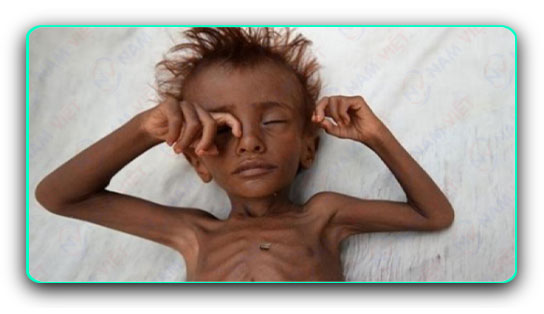
Vitamin D deficiency in children can cause weakness, bone pain, and muscle pain, negatively impacting the child’s height development. Especially, breastfed infants in the first 6 months need more attention, as the vitamin D content in breast milk is low, and average breastfeeding only provides a small amount of vitamin D, potentially leading to rickets and osteomalacia.
On the other hand, low vitamin D levels are also linked to an increased risk of osteoporosis as children grow older, due to reduced calcium absorption capacity. Osteoporosis not only increases the risk of fractures but can also affect the overall development of the skeletal system.
Additionally, vitamin D deficiency increases susceptibility to respiratory infections, raising the risk of diseases like pneumonia and bronchitis. Furthermore, low vitamin D levels are associated with various other conditions such as multiple sclerosis, type 1 diabetes, and mood disorders.
To ensure the best health for children, Master Tuan advises that taking the child to a multi-specialty medical facility for examination and treatment when signs of vitamin D deficiency appear is important. Through physical examinations, blood tests, and X-rays or bone density scans, doctors can determine the most appropriate treatment plan to protect the child’s health.

II. Vitamin D in calcium absorption, keeping bones strong
Vitamin D plays an undeniable role in the process of calcium absorption, which is a crucial determinant of our bone health. Master, Doctor Pham Duc Tuan, a pediatrics specialist at Tam Anh General Hospital Hanoi, emphasized the importance of vitamin D in maintaining bone strength and development.
Vitamin D is not just a nutrient that helps the body absorb calcium and phosphate from food, but it also plays a significant role in stimulating the process of bone resorption. This is particularly important during the developmental stages of children, when bones and teeth are growing rapidly.
In early life, breastfed infants may face the risk of vitamin D deficiency due to insufficient supply from breast milk. This can lead to conditions like rickets and osteomalacia, negatively impacting bone development and strength.
Adequate vitamin D levels in the body help maintain bone strength, reducing the risk of osteoporosis as children grow older. Simultaneously, it plays a vital role in maintaining serum calcium and phosphate concentrations, helping bones maintain proper structure and function.
Given the importance of vitamin D in calcium absorption and maintaining bone health, ensuring adequate vitamin D supply for children through diet or supplementation is a crucial part of comprehensive healthcare.
III. Risk of vitamin D deficiency in breastfed infants during the first 6 months
During the critical early stages of a child’s life, breastfeeding is considered the best nutritional method to provide nutrients for the baby’s development. However, it is important to note that breastfed infants in the first 6 months are particularly at high risk of vitamin D deficiency. Master, Doctor Pham Duc Tuan, a Pediatrics specialist at Tam Anh General Hospital Hanoi, provided important information regarding this risk.
Vitamin D deficiency in breastfed infants stems from the typically low levels of vitamin D in breast milk. While the average daily amount of breast milk consumed may meet basic nutritional needs, the absorption of vitamin D from this source is not guaranteed to be sufficient for the child’s development.
The highest risk is among breastfed babies whose breast milk consumption does not reach adequate levels. Another scenario involves premature infants, where the time for accumulating vitamin D from the mother during pregnancy is shorter, increasing the likelihood of developing rickets and osteomalacia.
Vitamin D deficiency can lead to numerous health problems, such as weakness, bone pain, and muscle pain affecting the child’s height development. Specifically, breastfed infants in the first 6 months who do not receive enough vitamin D may face the risk of rickets and osteomalacia.

IV. Osteoporosis and the risk of fractures with vitamin D deficiency
Vitamin D plays an undeniable role in maintaining bone health, and its deficiency can lead to many serious problems, including osteoporosis and the risk of fractures. Dedicated advice on the relationship between vitamin D and bone health.
Osteoporosis is a condition where bones lose mineral density and become weak and prone to fractures. Low vitamin D levels reduce the ability to absorb calcium, a major component of bone, from food. Consequently, bones lack sufficient minerals to maintain strength, leading to osteoporosis and an increased risk of fractures, especially in the elderly.
During childhood development, vitamin D deficiency can also be a cause of osteoporosis later in life. A child’s skeletal system is developing rapidly, and insufficient vitamin D to support this process can lead to an imbalance between new bone formation and old bone loss.
The risk of fractures increases significantly when osteoporosis occurs. Weak bones with lost mineral density are ideal conditions for fractures to happen, and this can affect the quality of life and self-care ability of the patient.
To reduce the risk of osteoporosis and fractures, supplementing vitamin D through diet or supplements recommended by a doctor is encouraged. At the same time, maintaining a healthy lifestyle and regularly visiting a doctor to monitor bone health are important, especially for high-risk groups such as the elderly.

V. Vitamin D and its role in strengthening the immune system
Vitamin D not only plays a crucial role in maintaining bone health but also has a significant impact on the body’s immune system. Master, Doctor Pham Duc Tuan, a Pediatrics specialist at Tam Anh General Hospital Hanoi, shared information about the importance of vitamin D in enhancing the body’s resistance.
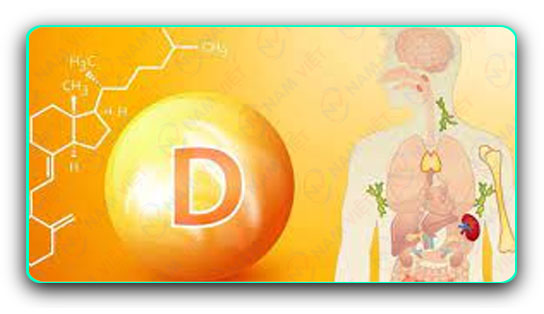
Vitamin D plays an important role in stimulating and enhancing the activity of the immune system. It has the ability to modulate the activity of immune cells, helping them develop and function more effectively. Specifically, vitamin D is known for its ability to stimulate the production of antimicrobial peptides, substances that fight bacteria and viruses, helping to prevent the spread of pathogens.
Sufficient vitamin D levels in the body also help maintain a balance between adaptive immune cells and innate immune cells, enabling the body to defend itself more effectively against pathogens.
Vitamin D deficiency can lead to reduced ability to fight infections and an increased risk of infectious diseases. Particularly, school-aged children and adolescents with low vitamin D levels may face a higher risk of contracting influenza and other respiratory infections.
VI. The link between vitamin D deficiency and many chronic diseases
Vitamin D not only plays a crucial role in bone health but is also closely linked to many different chronic diseases. Master, Doctor Pham Duc Tuan, a Pediatrics specialist at Tam Anh General Hospital Hanoi, highlighted the impact of vitamin D deficiency on various aspects of health and its association with chronic diseases.
One notable link is between vitamin D deficiency and respiratory diseases. Low vitamin D levels increase the risk of conditions like pneumonia, bronchitis, and sinusitis. Particularly, school-aged children with low vitamin D levels have a lower risk of contracting influenza, posing a significant challenge in the context of infectious diseases.
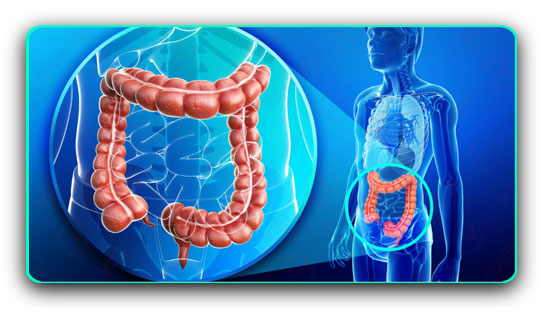
Furthermore, vitamin D deficiency may contribute to the risk of chronic diseases such as multiple sclerosis, type 1 diabetes, rheumatoid arthritis, and inflammatory bowel disease. Hypocalcemia, caused by vitamin D deficiency, can stimulate the release of parathyroid hormone, linked to various health issues including mood disorders and impacts on the prostate, breast, and colon.
In adolescents, low vitamin D levels can increase the risk of hypertension, high blood sugar, metabolic syndrome, and upper respiratory tract infections. This underscores the importance of maintaining adequate vitamin D levels during critical stages of development.
VII. The importance of taking children to see a doctor when signs of vitamin D deficiency appear
Ensuring the comprehensive health of children requires special attention to the signs of vitamin D deficiency, and taking the child to see a doctor is an important means in this process. Master, Doctor Pham Duc Tuan, a Pediatrics specialist at Tam Anh General Hospital Hanoi, explains why this is of great importance.
Some common manifestations of vitamin D deficiency in children may include fatigue, muscle pain, hair loss, and slow wound healing. These signs can affect the child’s overall well-being and development, especially during crucial developmental stages.
Taking the child to see a doctor when these signs appear is important so the doctor can make an accurate assessment of the child’s health status. Through a physical examination, discussion of medical history and diet, the doctor can determine whether the child is deficient in vitamin D.
Blood tests, X-rays, or bone density scans are also diagnostic methods that the doctor may use to assess the level of vitamin D in the body and the child’s bone condition. From there, the doctor can recommend appropriate treatment methods such as supplementing vitamin D through diet or supplement pills.
Visiting a doctor not only helps identify and treat vitamin D issues early but also prevents and manages other related health problems. Therefore, taking a child to see a doctor when signs of vitamin D deficiency appear is crucial to protect their health and ensure their comprehensive development.

An Toan Nam Viet – a leading unit in providing occupational safety training and workplace environmental monitoring services. We are proud to be a trusted partner for businesses, helping ensure a safe working environment and protecting workers' health.With extensive experience and a team of top experts, we are committed to delivering high-quality services while meeting all regulatory requirements on occupational safety and environmental monitoring.
Our occupational safety training services include educating and raising awareness among employees about safety regulations, equipping them with skills to handle dangerous situations, and implementing accident prevention measures. We continuously update and apply the latest knowledge to ensure your employees always work in a safe environment, minimizing the risk of occupational accidents and protecting their lives.
With our workplace environmental monitoring services, we use the most advanced equipment and methods to measure, monitor, and analyze the quality of air, water, and noise in the working environment. We provide detailed and accurate reports on pollution levels, helping businesses implement solutions to improve working conditions, ensure legal compliance, and create a healthy workplace for employees.
Contact Information:
- Nam Viet Occupational Safety Training and Environmental Monitoring Co., Ltd.
- Phone: 0908 111 791
- Email: lienhe@en.antoannamviet.com
- Website: https://en.antoannamviet.com