
Health
Foods Rich in Potassium That Support Nervous System Health

Dec
Leading with the article “Types of Potassium-Rich Foods That Support Nervous System Health,” we will explore a natural source of energy for the mind and soul. From every sweet bite of banana to nutrient-dense walnuts, this article will guide you in building a potassium-rich diet to regenerate and protect the nervous system. Let’s explore the secrets of smart nutrition together to achieve balance and overall health.
I. Potassium in nutrition and its positive impact on the nervous system and cardiovascular health
In modern life, many people are looking for natural ways to improve mental and cardiovascular health. Potassium, an important mineral, not only plays a vital role in daily nutrition but also brings significant positive impacts to the nervous system and cardiovascular health. This may explain why tomatoes, avocados, kiwis, and dried grapes – foods rich in potassium – are increasingly becoming an important part of our diet.
According to the US Centers for Disease Control and Prevention (CDC), Potassium not only supports muscle function but also keeps the nervous system functioning normally. It belongs to the group of electrolytes (magnesium, calcium, sodium), playing an important role in regulating the body’s fluid balance, reducing the risk of high blood pressure, heart disease, and stroke.
In particular, tomatoes, one of the common sources of potassium, not only provide energy but are also a source of fiber, vitamin C, and protein. Dried tomatoes are also a good choice for the heart and nervous system, and can be added to many dishes to take advantage of their high nutritional value.

II. Potassium-rich foods like tomatoes, avocados, kiwis, and dried grapes, emphasizing diversity in integrating them into the daily diet
Tomatoes, avocados, kiwis, and dried grapes – these are not only delicious foods but also important sources of Potassium for health. Integrating them into the daily diet not only brings diverse flavors but also ensures the body receives enough important minerals.
1. Tomatoes – A Symbol of Freshness and Minerals:
- One fresh tomato contains a significant amount of Potassium, while also providing fiber, vitamin C, and protein. The flexibility in using tomatoes is endless, from eating them directly to adding them to salads, sandwiches, or pizzas.
2. Avocados – A Blend of Fat and Potassium:
- With 690 mg of Potassium per 100 g, avocados are not only a good source of energy but also help maintain the normal functioning of the nervous system. In particular, the monounsaturated fat in avocados helps reduce bad cholesterol levels, lowering the risk of heart disease and stroke.
3. Kiwi – Appealing and Dynamic:
- According to the US Department of Agriculture, kiwi is a fruit rich in Potassium, especially good for the body’s fluid balance system. This advantage helps reduce the risk of high blood pressure, heart disease, and stroke. It can be eaten directly, blended into a smoothie, or added to a salad to enjoy its unique flavor.
4. Dried Grapes – An Easy and Appealing Choice:
- Dried grapes are not only a delicious snack but also an important source of Potassium. 100 g of dried grapes can provide about 750 mg of Potassium, enriching meals and helping to maintain nervous system health.

III. The role of Potassium in supporting muscle function, maintaining normal nervous system activity, and reducing the risk of heart disease and stroke
Potassium is not only an important mineral in nutrition but also plays a crucial role in supporting many aspects of health. Specifically, Potassium’s benefits range from supporting muscle function and maintaining normal nervous system activity to reducing the risk of heart disease and stroke.
1. Supporting Muscle Function:
- Potassium plays an important role in muscle contraction and relaxation, supporting muscle function. This is not only important for people who exercise but also helps everyone maintain muscle flexibility and strength over time.
2. Maintaining Normal Nervous System Activity:
- According to the US Centers for Disease Control and Prevention (CDC), Potassium keeps the nervous system functioning normally. This includes transmitting electrical impulses from the brain to muscles and keeping nerve signals strong and efficient.
3. Reducing the Risk of Heart Disease and Stroke:
- Potassium belongs to the group of electrolytes, along with magnesium, calcium, and sodium, which helps regulate the body’s fluid balance. This, in turn, reduces the risk of high blood pressure, heart disease, and stroke, as evidenced by the US Centers for Disease Control and Prevention.

IV. Dark leafy greens like spinach, with high Potassium content and antioxidant capacity, reducing inflammation risk
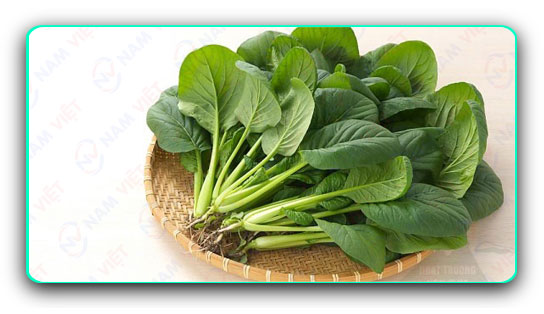
Dark leafy greens, like spinach, are not only a delicious part of a meal but also an extremely valuable source of Potassium. With high Potassium content, they not only support muscle function but also have special antioxidant properties, helping to reduce the risk of inflammation and protect overall health.
1. Spinach – A Superfood for Health:
- Spinach, with a Potassium content of up to 1,180 mg per 100 g, is one of the unique dark leafy greens. Cooking spinach not only enhances Potassium absorption but also stimulates its antioxidant properties.
2. High Potassium Content – Supporting Muscle Function:
- The high Potassium content in dark leafy greens not only helps maintain muscle function but also provides energy for the body. This is important for people who exercise and also helps everyone maintain daily health.
3. Antioxidant – Preventing Inflammation:
- Dark leafy greens, with their antioxidant capacity, help protect cells from the effects of free radicals. This not only reduces the risk of inflammation but may also help prevent the development of many chronic diseases.
Spinach and other dark leafy greens are an important part of a potassium-rich and diverse diet. By integrating them into your daily meals, you not only ensure nutritional balance but also protect your overall health.
V. Fruits like tomatoes, acorn squash, kiwi, and avocado, with varying Potassium levels, highlighting how they support the nervous system and reduce blood pressure
Fruits like tomatoes, acorn squash, kiwi, and avocados are not only important sources of Potassium but also key to nervous system health and lowering blood pressure. With different amounts of Potassium, they provide special benefits that help maintain balance and overall health.
1. Tomatoes – A Useful Source of Potassium:
- One fresh tomato contains 292 mg of Potassium, helping to support muscle function and maintain the normal functioning of the nervous system. At the same time, tomatoes are a source of fiber, vitamin C, and protein, which helps control blood pressure.
2. Acorn Squash – Effectively Reducing High Blood Pressure:
- Acorn squash (‘Bí dâu’), also called acorn squash (‘bí acorn’), contains many minerals, potassium, and vitamins, helping to reduce high blood pressure and support the nervous system. The beta-carotene in acorn squash also acts as an antioxidant, protecting cells from the effects of free radicals.
3. Kiwi – Balancing Fluids and Blood Pressure:
- Kiwi, with about 215 mg of Potassium per fruit, helps balance fluids in the body and reduces the risk of high blood pressure. The diversity in ways to eat it, from directly to smoothies or salads, increases its nutritional value.
4. Avocado – Coping with High Blood Pressure:
- 100 g of avocado flesh contains 690 mg of Potassium, helping to maintain the normal functioning of the nervous system. The monounsaturated fat in avocados also increases good cholesterol levels, reducing the risk of heart disease and stroke.

VI. Potatoes and kidney beans as useful sources of Potassium, providing fiber and plant-based protein, and how to use them in healthy dishes
Potatoes and kidney beans are not only common ingredients in the daily diet but also useful sources of Potassium, providing fiber and plant-based protein. Let’s explore how to use them in healthy dishes to maximize their nutritional value.
1. Potatoes – A Diverse and Common Source of Potassium:
- One medium potato provides nearly 900 mg of Potassium, making it an important mineral source. They also contain fiber, vitamin C, and iron, helping to maintain cardiovascular health and support muscle function. To get the maximum benefit, steam, mash, or cook them in soup instead of frying.
2. Kidney Beans – Plant-Based Protein and Rich in Potassium:
- 100 g of kidney beans contain 713 mg of Potassium, and are an abundant source of plant-based protein and fiber. Rinse canned kidney beans to reduce salt content and use them in many dishes like soups, salads, stews, or mashed beans. Kidney beans not only provide protein but also help reduce cholesterol and the risk of stroke.
3. Healthy Dishes with Potatoes and Kidney Beans:
- Potato and Kidney Bean Salad:
-
- A mixture of cooked potatoes and steamed, mashed kidney beans.
- Add greens, tomatoes, and almonds.
- Toss with a mustard vinaigrette made from vinegar, oil, salt, and pepper.
- Potato and Kidney Bean Patties:
- Combine mashed potatoes and mashed kidney beans.
- Add baking powder, salt, and spices to taste.
- Bake until the patties are golden brown.
- Potato and Kidney Bean Soup:
- Cook potatoes and kidney beans in broth.
- Add seasonings like onion, garlic, and chili to enhance flavor.
- A light, potassium-rich broth makes the dish even more appealing.

VII. Dairy products and fatty fish as sources of Potassium, and how to integrate them into the diet to support the nervous system and reduce cardiovascular disease risk
Dairy products and fatty fish are both important sources of Potassium, and can also help support the nervous system and reduce the risk of cardiovascular disease. Intelligently integrating them into the daily diet not only brings health benefits but also creates delicious meals.
1. Dairy Products – A Storehouse of Potassium and Calcium: Milk is a significant source of Potassium; one cup of whole milk has over 350 mg of Potassium. Calcium, another important mineral in milk, also plays a role in maintaining the nervous system and keeping bones strong. To integrate milk into your diet, you can drink it plain or add it to snacks, like yogurt, to enhance flavor and reduce the risk of heart disease.
2. Fatty Fish – Omega-3s and Useful Potassium: Fatty fish, such as salmon, tuna, halibut, and cod, are not only rich in Potassium but also an important source of omega-3 fatty acids. Polyunsaturated omega-3s help reduce cholesterol, reduce inflammation, and protect the heart. To integrate fatty fish into your diet, you can grill, steam, or prepare them in dishes like sushi or fish salad to take full advantage of their nutritional benefits.
3. Combining Dairy Products and Fatty Fish:
- Potassium-Rich Smoothie:
- Combine whole milk with a piece of fresh salmon.
- Add fruits like bananas and strawberries to create a fresh flavor.
- This smoothie not only provides Potassium but also offers a delicious and nutritious taste.
- Fish and Fresh Milk Soup:
- Cook fish soup with fresh milk to enhance flavor and nutrients.
- Add vegetables like carrots and celery to enrich the dish.
- This combination not only supports the nervous system but also helps control blood pressure and reduce the risk of heart disease.

An Toan Nam Viet – a leading unit in providing occupational safety training and workplace environmental monitoring services. We are proud to be a trusted partner for businesses, helping ensure a safe working environment and protecting workers' health.With extensive experience and a team of top experts, we are committed to delivering high-quality services while meeting all regulatory requirements on occupational safety and environmental monitoring.
Our occupational safety training services include educating and raising awareness among employees about safety regulations, equipping them with skills to handle dangerous situations, and implementing accident prevention measures. We continuously update and apply the latest knowledge to ensure your employees always work in a safe environment, minimizing the risk of occupational accidents and protecting their lives.
With our workplace environmental monitoring services, we use the most advanced equipment and methods to measure, monitor, and analyze the quality of air, water, and noise in the working environment. We provide detailed and accurate reports on pollution levels, helping businesses implement solutions to improve working conditions, ensure legal compliance, and create a healthy workplace for employees.
Contact Information:
- Nam Viet Occupational Safety Training and Environmental Monitoring Co., Ltd.
- Phone: 0908 111 791
- Email: lienhe@en.antoannamviet.com
- Website: https://en.antoannamviet.com