
Hazard
Physical Injury Risks When Working with Sharp Tools

Sep
In work environments involving sharp tools, the risk of physical accidents when working with sharp tools is a serious issue that needs to be carefully considered and addressed. Work using sharp tools such as knives, scissors, or saws can pose many dangers to employees if safety rules are not followed.
I. Why can working with mobile devices pose potential physical risks?
Working with mobile devices has become an indispensable part of modern life, especially in the information technology and telecommunications fields. However, few people know that exposure to these devices can pose significant physical risks.
One of the important aspects of this issue is the radiation from mobile devices, such as mobile phones and tablets. These devices emit wireless radiofrequency (RF) waves and ultraviolet (UV) rays that can affect skin cells and body tissues. Many studies have linked long-term exposure to RF and UV with a higher risk of health problems, including skin cancer and impacts on the immune system‘s resilience.
Additionally, using mobile devices for long periods can cause stress on the musculoskeletal system, especially in the neck and shoulders. Conditions like carpal tunnel, arthritis, and back pain are common problems for people who frequently use mobile devices for work or spend hours gaming on their phones.

II. Understand the risks associated with using sharp tools in daily work
Sharp tools are an important part of many daily jobs, from hairdressing, cooking, to construction work, and even in the medical field. However, using these tools also poses many safety risks that everyone needs to be aware of.
One of the main dangers is the risk of injury, cuts, and punctures. Using sharp tools requires vigilance and skill. If safety rules are not followed, workers can face the risk of being cut or stabbed in the hands, fingers, or other parts of the body, leading to serious injuries and complex treatment.
Secondly, sharp tools can also pose an infection risk. When tools are not properly cleaned and stored, they can become an ideal environment for bacteria and inflammation. Workers must always ensure that sharp tools are cleaned thoroughly before use to avoid infection.
Finally, the use of sharp tools needs to be specifically trained and guided. Workers need to master how to use and store tools, as well as know how to handle emergency situations if an incident occurs. You can see more details about occupational safety training content under Decree 44.

III. Why the work environment can become a source of risk and how to cope with it
The work environment can sometimes become a source of risk if not managed and responded to properly. Impact risks frequently occur in many industries, from construction to manufacturing and even in offices.
- Not Ensuring a Safe Work Area: The work environment can become dangerous if not designed and managed correctly. For example, the improper arrangement of machinery and equipment can lead to impacts or unwanted collisions. To address this, safety assessments should be conducted and the work environment rearranged if necessary to minimize impact risks.
- Incorrect Number of Staff: When the work environment has too few or too many staff, the risk of impact can increase. Workers need to be trained to know how to work safely in these conditions and report dangerous situations.
- Not Using Protective Equipment: Lack of personal protective equipment such as helmets, safety glasses, or puncture-resistant vests can increase the risk of impact. To cope with this, the use of protective equipment should be promoted and it must be ensured that it meets safety standards.
- Lack of Safety Training: Workers need to be trained in safety and know how to react when an incident occurs. Training will help them recognize and avoid impact risks as well as know how to respond when a risk occurs.
- Regular Inspection and Maintenance: Equipment and machinery need to be regularly inspected and maintained to ensure safe operation. Adhering to the correct inspection and maintenance schedule is an important part of dealing with impact risks.

IV. Guide on how to make working with mobile devices safer
To optimize safety when working with mobile devices, several guidelines and measures need to be applied.
- Training and Understanding the Device: Before using any mobile device, workers need basic training on how to use them safely. They need to know how to start, stop, and turn off the device, as well as know how to check its status and features.
- Regular Inspection and Maintenance: Mobile devices need to be checked regularly to ensure they are working properly. Regular maintenance is important to avoid unexpected incidents and minimize the risk of accidents.
- Use Personal Protective Equipment: Ensuring the full use of personal protective equipment such as helmets, gloves, fire-resistant jackets, and safety glasses is important to protect workers from physical risks.
- Adhere to Safety Rules: Follow all safety rules and guidelines when working with mobile devices. This includes restricting access to hazardous areas and always working within safe limits.
- Control the Environment: Ensure the work environment is clean and controlled. Remove unnecessary objects from the work area and ensure there are no situations threatening safety.
- Plan Carefully: Before starting work with mobile devices, plan carefully how to perform the work, especially in difficult conditions such as bad weather.
- Supervise and Monitor: Monitor the work of those working with mobile devices and conduct regular assessments to ensure they are adhering to safety rules.

V. Tips and strategies to ensure safety when working with sharp tools
Using sharp tools in daily work requires caution and strict adherence to tips and strategies to ensure safety.
- Use the Right Tool for the Job: Make sure you are using the appropriate type of tool for your specific job. Use knives, scissors, or any sharp-bladed tool only when necessary.
- Inspect Before Use: Before starting work, inspect your tools to ensure they are in perfect condition. This includes checking the cutting edge, attached parts, and the overall condition of the tool.
- Personal Protection: Always ensure you are using personal protective equipment, including gloves, safety glasses, and appropriate clothing to protect you from the risk of injury.
- Work Carefully: When using sharp tools, work carefully and slowly. Avoid quick movements and do not try to cut something too forcefully.
- Keep Tools Within Reach: When not in use, keep sharp tools within your reach and out of reach of others. This ensures that only trained and authorized persons can use them.
- Store Safely: When storing sharp tools, ensure they are placed in a safe place, out of reach of children or untrained individuals.
- Learn Safe Use: If you are new to working with sharp tools or have any questions, seek guidance and training from experienced individuals or experts.
Using sharp tools can make work easier, but it can also pose risks if safety rules are not followed. The most important thing is to always be careful and alert when working with them to ensure safety for yourself and those around you. You can see more details about occupational safety training duration under Decree 44.
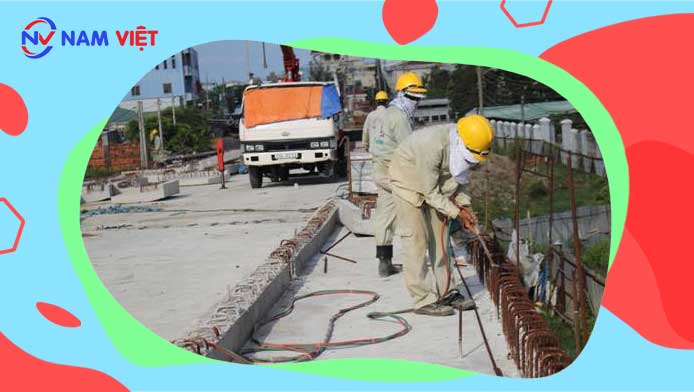
VI. How knowledge and education can help you cope with physical risks
Mastering knowledge about dangers and the importance of education is an indispensable part of dealing with physical risks in the work environment.
- Recognize Risks: Knowledge helps you recognize and clearly understand the physical risks that may occur in your work. This includes identifying potentially dangerous situations, equipment, or objects that could cause injury.
- Prevention: Having knowledge about physical risks allows you to implement preventive measures effectively. By understanding why accidents happen and how to avoid them, you can minimize the risk of injury to yourself and others.
- React Quickly: When you are knowledgeable about risks and safety procedures, you can react quickly when an incident occurs. This can be especially important in rescue and saving people in emergency situations.
- Training: Education and training are ways to equip yourself with the knowledge and skills needed to work safely. Participate in occupational safety training groups and make sure you understand the rules and regulations related to your work.
- Create a Foundation for a Safety Culture: Knowledge and education are important factors in building a safety culture within an organization. This encourages everyone in the company to participate in maintaining a safe work environment.

VII. How to create a safe work environment and how to protect yourself from physical risks in daily life
Protecting yourself and the work environment is an important part of daily life.
- Use Protective Gear: First and foremost, always use protective gear appropriate for your job. This includes helmets, safety glasses, gloves, protective clothing, safety shoes, and any equipment necessary to ensure safety during work.
- Master Safety Rules: Learn and follow all safety rules related to your job. This includes understanding how to use equipment and tools, as well as specific occupational safety procedures.
- Use Tools Correctly: Ensure that you use tools and equipment correctly. Never use equipment that you do not know how to use or have no experience with.
- Check Equipment Regularly: For frequently used equipment and tools, check them regularly to ensure they are still operating safely. Replace or repair damaged equipment immediately.
- Maintain Work Hygiene: Keep your workplace clean and tidy. Eliminate physical risks by maintaining order and organizing work safely.
- Focus on the Job: When working, focus on your job and avoid any distractions that could lead to accidents. Do not use mobile phones or any device that could cause a loss of focus.
- Learn How to Deal With Incidents: Know how to deal with incidents in case of an accident or emergency. Know how to use a first aid kit and have a personal safety plan.
- Participate in Safety Training: If given the opportunity, participate in work safety training courses to enhance your knowledge and skills.

VIII. Occupational Safety Training Capacity of An Toan Nam Viet
An Toan Nam Viet is a reputable and high-quality center specializing in occupational safety training (in many different languages such as English, Chinese, Japanese, Korean….) in Vietnam today. With occupational safety training sessions held continuously at workshops, factories, or construction sites across the country (63 provinces in Vietnam).
REGISTER FOR OCCUPATIONAL SAFETY TRAINING SERVICE
Occupational safety training license
- An Toan Nam Viet has been inspected and certified by the Department of Safety of the Ministry of Labor – Invalids and Social Affairs as eligible to conduct occupational safety and health training activities. This further solidifies our occupational safety training operational capacity.

Documents and lectures
- Before occupational safety training materials are used in S OST courses, they are reviewed and approved to ensure that the lectures are always factually correct and effective when applied.
- The teaching methods of the instructors are standardized according to An Toan Nam Viet‘s teaching standards, which is a method researched and refined by experts in occupational safety and health training during the teaching process to bring the highest knowledge acquisition efficiency for trainees.
Facilities
- Controlling factors in the classroom that affect the training process will increase teaching efficiency and the effectiveness of knowledge acquisition by trainees.
- Our training course support facilities always provide spacious classrooms that meet standards for area, lighting, training equipment, etc…
IX. National Occupational Environment Monitoring Center
Nam Viet’s occupational environment monitoring center is a professional unit for monitoring and measuring the quality of the working environment in all provinces throughout Vietnam. With an experienced team of monitoring specialists, the center uses modern measuring equipment, ensuring accuracy and reliability.
REGISTER FOR OCCUPATIONAL ENVIRONMENT MONITORING SERVICE
In addition to providing monitoring services, the center also supports clients in planning, handling, and tracking occupational environment issues. With the motto “the customer is the center,” we always bring satisfaction to customers, meet all customer needs, and commit to providing the best solutions for businesses.
With investment in techniques, technology, and human resources, Nam Viet’s monitoring center has become one of the reputable units in the field of occupational environment monitoring in Ho Chi Minh City with the following objectives:
- We always value our brand reputation and the quality of our products and services.
- We provide customers with the best and most suitable things possible.
- With a team of experienced and specialized Masters and Engineers desiring to protect the environment and benefit businesses.
- Coming to the Nam Viet Environmental Monitoring team, your company will receive professional service from experts in the monitoring field. At the same time, you will get the best cost incentives.
The occupational environment monitoring implementation process at Nam Viet includes the following basic steps:
- Before performing occupational environment monitoring, our company always ensures that machinery and equipment used for occupational environment monitoring are calibrated and standardized in accordance with legal regulations.
- Correctly and fully implement the occupational environment monitoring process as committed to the Department of Health.
- Truthfully report the occupational environment monitoring results to the employer.
- In cases where the occupational environment monitoring results do not ensure safety for employees, Nam Viet company will support proposing remedial solutions, and the labor facility will implement the following:
-
- Implement measures to improve working conditions to minimize the impact of harmful factors and prevent occupational diseases.
- Organize health checks to detect occupational diseases and work-related illnesses early for employees in positions with unsafe working environments.
- Provide in-kind compensation to employees according to labor laws.