
Agriculture
Strategies for Establishing a Safe Working Environment in Agriculture

Jan
This article will guide you through exploring unique strategies to create a safe working environment in the agricultural industry. By combining modern methods and sustainable innovations, we will address how to protect workers and enhance productivity. Join us to discover creative solutions and establish a safe and efficient working environment in this crucial sector of the economy.
I. Causes of danger in the agricultural work environment
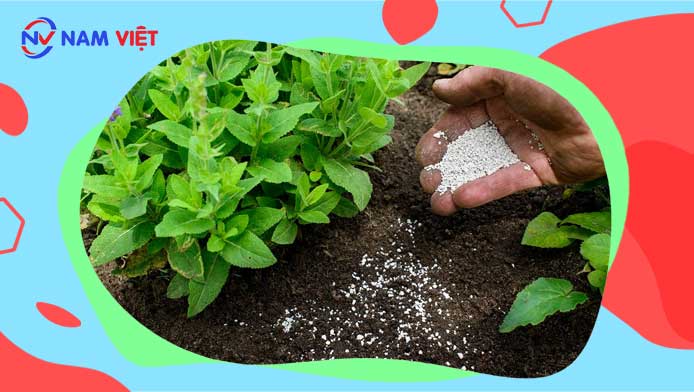
In the agricultural work environment, there are many potential dangers that can cause severe consequences for workers. One of the main causes is the use of toxic chemicals, such as pesticides and chemical fertilizers, without adhering to proper regulations and safety guidelines. At the same time, the use of agricultural machinery and equipment without ensuring proper maintenance and regular technical checks also creates significant risks.
Additionally, harsh weather and environmental conditions in agriculture, such as high temperatures, strong impacts from sun, rain, and wind, also contribute to increasing the risk of accidents and affecting the health of workers. Facing jobs that require physical strength and long hours, the risk of fatigue and muscle injuries is also a matter of concern.
Furthermore, the lack of training systems and occupational safety training in agriculture increases the risk of accidents. A lack of understanding about occupational safety and the improper use of protective equipment are also important reasons why agricultural workers are vulnerable to risks and injuries. To minimize these risks, it is necessary to establish and implement effective occupational safety policies, while raising awareness and training for workers on personal protection measures and safety in the agricultural work environment.
II. Characteristics and benefits of sustainable strategies in agriculture
Sustainable strategies in agriculture are not only a modern approach but also bring many important characteristics and benefits. In terms of characteristics, this strategy often focuses on the harmonious interaction between people, the environment, and the economy. Diversity in sustainable agricultural production helps minimize risks due to dependence on any single crop or animal type.
The greatest benefit of a sustainable strategy is the maintenance of soil health. By using farming and food care methods that cause little or no harm to the soil, farmers keep the land fertile, reduce degradation, and the risk of soil erosion. At the same time, this strategy promotes the efficient use of water resources, limits water pollution, and protects biodiversity.
The economic model of sustainable agriculture also brings economic benefits to the entire community. Creating production systems based mainly on the principle of balancing economic, social, and environmental factors not only increases income for farmers but also creates job opportunities and improves the quality of life in the region. At the same time, sustainable strategies also contribute to building an agricultural system that future generations can continue to develop and use resources sustainably.
III. New technology helps improve work safety
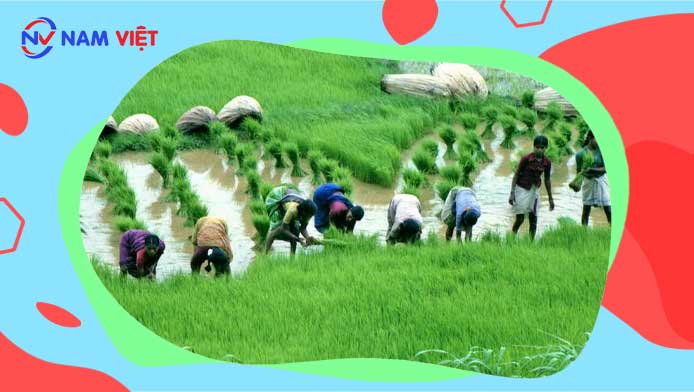
New technology is playing a crucial role in improving safety in agricultural work. The integration of artificial intelligence, smart sensors, and IoT connectivity has brought significant improvements in risk management and safety training.
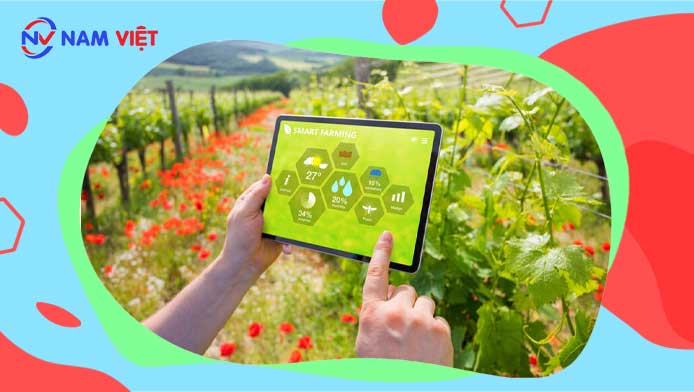
Smart sensors installed on agricultural machinery and in the work environment help monitor working conditions and detect hazardous risks. Integrated with real-time monitoring systems, they provide immediate alerts when there is an intrusion into a dangerous area, helping employees react quickly and avoid risks.
Another important application of technology is in the occupational safety training process. Artificial intelligence is used to create personalized training programs, customized for each specific job and work environment. This helps workers grasp safety knowledge effectively, thereby reducing the risk of accidents.
In total, innovation in technology has contributed significantly to enhancing safety in the agricultural industry, protecting workers, and optimizing work performance.
IV. Enhancing employee awareness and training on work safety in agriculture
Enhancing employee awareness and training on work safety in agriculture is a top priority to minimize accidents and protect workers’ health. Occupational safety certificates play an important role in this process.
The training program focuses on providing detailed knowledge about risks and preventive measures in the agricultural work environment. Employees are instructed on how to properly use protective equipment and safety procedures when working with machinery and chemicals.
An occupational safety certificate is not just proof of an employee’s skills but also a motivation for them to maintain a safety mindset in every task. They create a positive work environment, promote proactiveness in adhering to safety rules, and help workers better understand the importance of maintaining safety in the agricultural work environment.
V. Methods for measuring safety performance in the agricultural environment
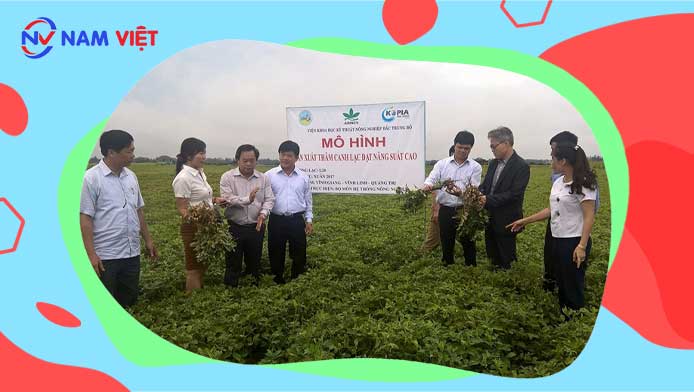
Methods for measuring safety performance in the agricultural environment play a crucial role in ensuring that all activities are carried out safely and effectively. Some important criteria for measuring safety performance include accident rates, compliance with safety rules, and the application of preventive measures.
To measure accident rates, businesses often use indicators such as the number of annual accidents, injuries, or even fatalities. This helps assess the level of risk and the effectiveness of the safety policies being applied.
Compliance with safety rules is another important part that needs to be measured. Monitoring the wearing of protective gear, adherence to safe work procedures, and participation in training courses can assess the level of implementation of safety measures.
Preventive measures are also evaluated to measure safety performance. This includes checking the effectiveness of measures such as education, training, equipment inspection, and the maintenance of safe working conditions.
In total, methods for measuring safety performance not only help monitor safety levels but are also tools to continuously improve and develop a safe and sustainable agricultural work environment.

VI. Learning from experience and failure to develop the best safety strategy model in agriculture
Learning from experience and failure is key to building an effective safety strategy model in the agricultural sector. Awareness of successes and even failures in the process of implementing safety strategies is the basis for developing progressively improved methods.
Agricultural businesses can learn from accumulated experience to identify effective methods and apply them in their specific context. The strengths and weaknesses of previous strategies will be valuable assessment sources for optimizing safety performance.
Failures also offer important learning opportunities. By identifying the causes of failures, businesses can adjust and improve their safety strategies. This may include adjusting work processes, providing more detailed training, or even using new technology to minimize risks.
In total, learning from both experience and failure helps build a flexible and adaptable safety strategy model, while contributing to creating a safe, sustainable agricultural work environment.
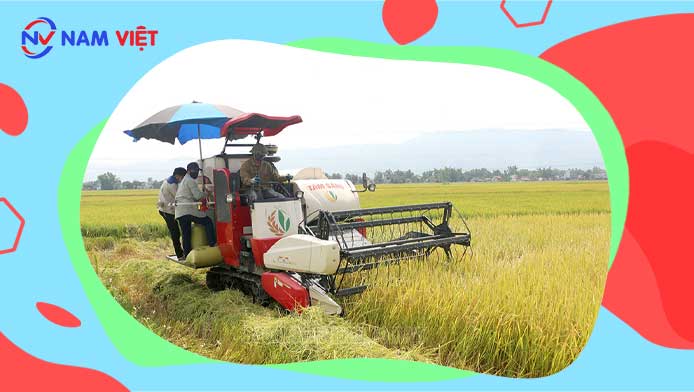
VII. Goals and commitments for sustainable development and agricultural safety in the future
Our goal is to build a sustainable and safe agricultural industry for the future. This requires a strong commitment from all stakeholders, including farmers, businesses, regulatory agencies, and the community.
We need to set specific goals for minimizing negative impacts on the environment and human health. At the same time, we must build an agricultural production system that does not deplete natural resources and maintains biodiversity.
Our commitment must include promoting safe work practices, providing training on occupational safety, and using advanced technology to minimize risks. We also need to commit to a sustainable and fair supply chain, ensuring that everyone involved in the agricultural industry benefits.
Overall, these goals and commitments not only guide the present but also define the image of a developed and sustainable agricultural industry in the future, bringing benefits to both the community and our planet.
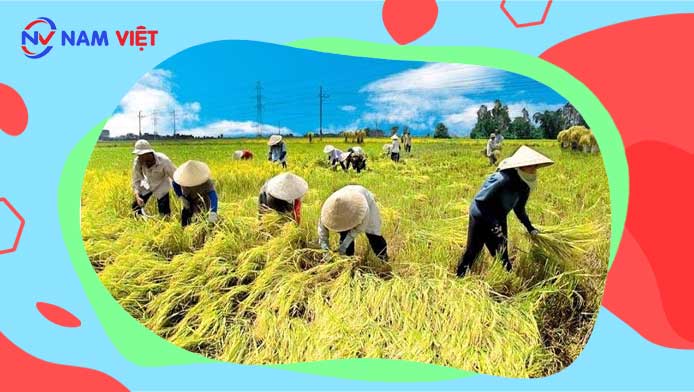
VIII. Occupational Safety Training Capacity of An Toan Nam Viet
An Toan Nam Viet is a reputable and high-quality center specializing in occupational safety training (in many different languages such as English, Chinese, Japanese, Korean….) in Vietnam today. With occupational safety training sessions held continuously at production workshops, factories, or construction sites across the country (63 provinces in Vietnam).
REGISTER FOR OCCUPATIONAL SAFETY TRAINING SERVICE
Occupational safety training license
- An Toan Nam Viet has been inspected and granted a certificate of eligibility for occupational safety and health training activities by the Department of Work Safety under the Ministry of Labor, Invalids and Social Affairs. This further solidifies our operational capacity in occupational safety training.

Materials and lectures
- Before occupational safety training materials are used in our OSH training courses, they are reviewed and censored to ensure that the lectures are always accurate in terms of knowledge and effective when applied.
- The teaching methods of the lecturers are synchronized according to An Toan Nam Viet‘s teaching standards, which is a method that experts in occupational safety and health training have researched and refined during the teaching process to bring the highest knowledge acquisition efficiency for trainees.
Facilities
- Controlling factors in the classroom that affect the training process will increase teaching efficiency and the effectiveness of trainees’ knowledge acquisition.
- Our facilities supporting the training course always provide spacious classrooms that meet standards for area, lighting, training equipment …etc…
IX. Nationwide Work Environment Monitoring Center
Nam Viet’s work environment monitoring center is a professional unit specializing in monitoring and measuring the quality of the work environment in all provinces throughout Vietnam. With an experienced team of monitoring specialists, the center uses modern measuring equipment, ensuring accuracy and reliability.
REGISTER FOR WORK ENVIRONMENT MONITORING SERVICE
In addition to providing monitoring services, the center also supports clients in planning, handling, and tracking work environment issues. With the motto “the customer is the center,” we always bring satisfaction to our customers, meet all their needs, and commit to providing the best solutions for businesses.
With investment in techniques, technology, and human resources, Nam Viet’s monitoring center has become one of the reputable units in the field of work environment monitoring in Ho Chi Minh City with the following objectives:
- We always value our brand reputation and the quality of our products and services.
- We provide customers with the best and most suitable things possible.
- With a team of experienced Masters and Engineers with expertise and a desire to protect the environment and benefit businesses.
- Coming to Nam Viet’s Environmental Monitoring team, your company will receive professional service from experts in the monitoring field. At the same time, you will get the best cost incentives.
The process of conducting work environment monitoring at Nam Viet includes the following basic steps:
- Before performing work environment monitoring, our company always ensures that machinery and equipment for monitoring the work environment are calibrated and verified in accordance with legal regulations.
- Correctly and fully implement the work environment monitoring process as committed to the Department of Health.
- Truthfully report the work environment monitoring results to the employer.
- In cases where the work environment monitoring results are not safe for workers, Nam Viet company will support proposing remedial solutions, and the labor facility will implement the following:
-
- Deploy measures to improve working conditions to minimize the impact of harmful factors and prevent occupational diseases.
- Organize health check-ups to detect occupational diseases and work-related illnesses early for workers in positions with unsecured work environments.
- Provide in-kind benefits to workers according to labor laws.