
Occupational disease
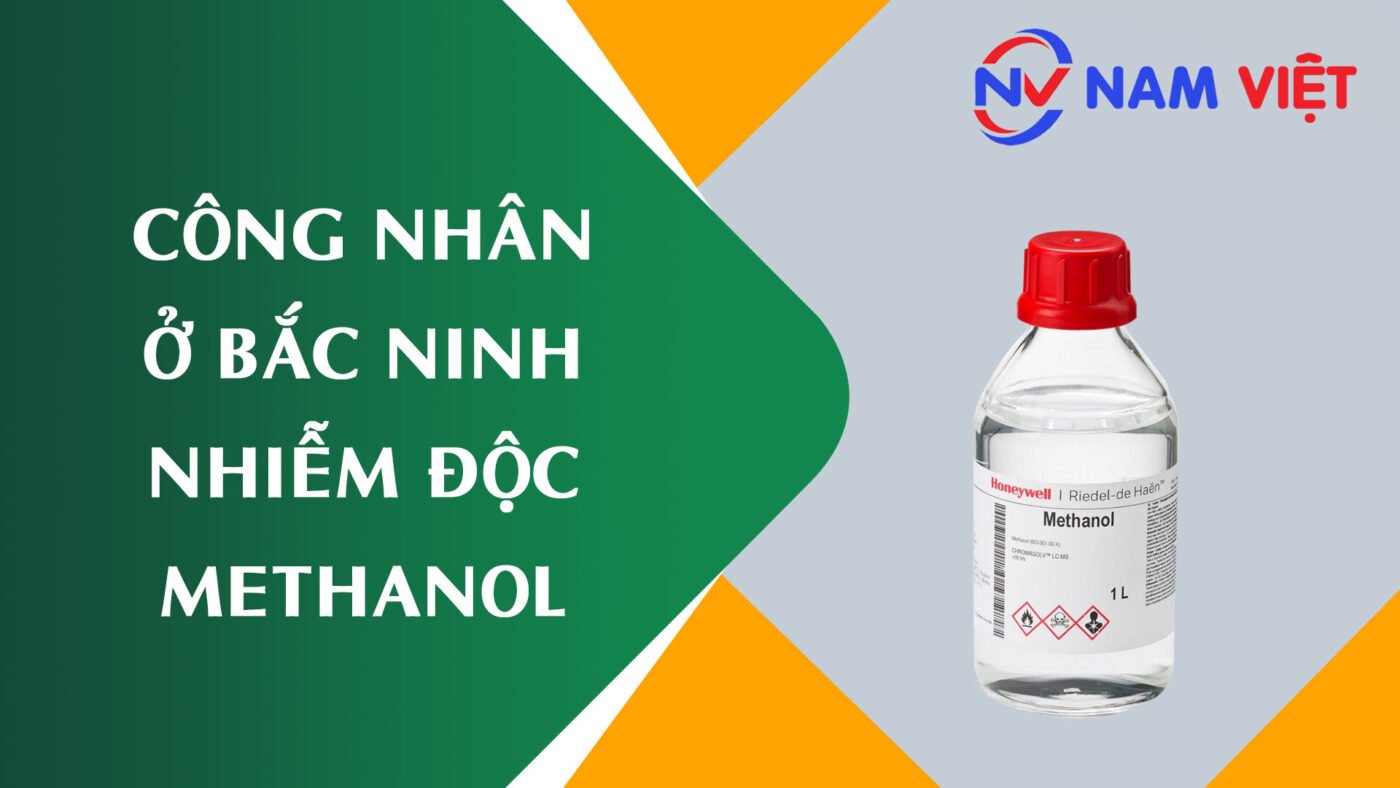
HS Tech Vina workers in Bac Ninh were poisoned by methanol.
Apr
Methanol poisoning in the workplace occurs when employees in a production environment are exposed to methanol (CH3OH) during manufacturing, usage, or transport, leading to negative health effects. Methanol is a colorless, odorless liquid found in alcohol made from barley and is widely used in various industries, including plastics, paint, pesticides, cleaning agents, and clock manufacturing.
When exposed to methanol, the body absorbs and converts it into formaldehyde and formic acid, causing numerous health effects, including methanol poisoning. Symptoms may include headache, dizziness, nausea, visual disturbances, abdominal pain, low blood pressure, and even death if not treated promptly.
1. Incident Overview
- The Poison Control Center at Bach Mai Hospital reported that from late February, they began receiving patients with methanol poisoning from Bac Ninh. They were workers from HS Tech Vina Co., Ltd., located in Industrial Zone III, Khai Son, Bac Ninh. This company produces electronic components, including a type of metal component manufactured through a cutting process using knives. During this process, machines sprayed ethanol to cool the cutting knives.
- Additionally, some components were not properly cleaned, so workers wiped them with ethanol. Around the last week of February 2023, the company switched to a new batch of ethanol.

- At the same time, many workers experienced fatigue, headaches, and took leave. The most severe case was Ms. Nguyen Thi H. (42 years old, female, from Thuan Thanh, Bac Ninh) who, from February 27, developed blurred vision, headaches, nausea, and gradually became drowsy. She was transferred to Bach Mai Hospital in a coma, with low blood pressure, severe metabolic acidosis, methanol blood concentration of 123.16 mg/dL, and severe bilateral brain damage. Despite urgent treatment, resuscitation, detoxification, and dialysis, her brain damage was irreversible, and her family decided to take her home, where she passed away.
- Subsequently, Bach Mai Hospital admitted patient Trieu Van N. (17 years old, Dao ethnic, from Cao Bang) in critical condition. He had similar symptoms as Ms. H and was previously treated at Bac Ninh General Hospital. At Bach Mai, he received emergency treatment, detoxification, and dialysis. His consciousness has improved, but brain damage, brain swelling, and eye damage remain.
- In the same workshop as Ms. H, Phang A T. (18, male, Mong ethnic, from Phu Yen, Son La) and Phang A S. (16) suffered visual impairments, even blindness, due to severe methanol poisoning discovered late.
- The Poison Control Center also treated two other patients with milder eye injuries and one patient with high methanol blood levels who was treated promptly and recovered well.
- To date, 108 workers have been examined, tested, and treated at the Poison Control Center, Bach Mai Hospital, and Bac Ninh General Hospital. Among them, 37 were methanol poisoned at varying degrees: 22 asymptomatic, 8 mild cases (only minor arterial blood gas changes, no organ damage, no clinical symptoms), and 7 severe or critical cases, including 1 death, 4 with serious vision loss, and 1 with severe brain damage (consciousness and motor disorders).
- Dr. Nguyen Trung Nguyen, Director of the Poison Control Center, Bach Mai Hospital, stated that a family member sent a sample of the ethanol used by the company, which tested 77.83% methanol and no ethanol. Workers were poisoned through inhalation of methanol-contaminated air and possibly skin contact.
- “From the first patients, the Poison Control Center identified this as a workplace methanol poisoning incident, immediately reporting to the Ministry of Health and authorities, while requesting the factory to urgently screen and hospitalize symptomatic workers.

- The Center coordinated with Bac Ninh General Hospital to quickly screen workers, detect symptoms, and treat on-site. Blood samples were analyzed for methanol concentration using gas chromatography the first night,” said Dr. Nguyen.
- 88 workers were treated at Bac Ninh General Hospital, while 20 visited the Poison Control Center at Bach Mai Hospital, including all 7 severe or critical cases.
- Dr. Nguyen emphasized that this incident highlights the risks of industrial methanol in various products, requiring strict regulation, proper management, and increased awareness of workplace chemical safety.
2. Incident Analysis
a. Causes of the incident
The methanol poisoning at Bach Mai Hospital’s Poison Control Center may have multiple causes, including:
- Production process: HS Tech Vina produced electronic components, including a metal component cut by knives. Ethanol was sprayed to cool knives. Some components were not properly wiped, leaving methanol residues.
- Change of ethanol batch: The new batch of ethanol used at the end of February 2023 coincided with the poisoning cases, suggesting a possible link.
- Lack of safety measures: Improper wiping and handling of ethanol increased methanol accumulation on components.
- Quality control issues: New ethanol batch quality was possibly unchecked, allowing methanol contamination.
- Incomplete safety protocols: The company may not have fully implemented safety procedures, product quality checks, or health monitoring.
- Delayed notification: Lack of timely reporting of new ethanol usage or incidents delayed emergency response.
- Poor health monitoring: Insufficient worker health monitoring delayed early treatment. Severe poisoning cases could not be saved despite doctors’ efforts.

b. Impact on workers’ lives
The methanol incident significantly affected workers and their families:
- Health impact: Workers experienced severe symptoms including headaches, nausea, blurred vision, low blood pressure, brain damage, brain swelling, and even blindness. Many required prolonged hospitalization.
- Mental impact: Workers and families suffered anxiety, stress, and concern for health, job security, and family finances.
- Economic impact: Poisoning led to missed work, lost income, medical costs, and increased family financial burdens.
- Company impact: HS Tech Vina’s reputation suffered, facing community and local government pressure.
- Industry impact: The incident raised scrutiny on electronic component production and related industries, leading to stricter quality controls and customer scrutiny.

c. Corporate response measures
Companies should take the following measures:
- Immediately stop using ethanol for knife cooling, replacing with safer solutions.
- Review production processes involving hazardous chemicals to identify risks and improve safety.
- Retrain staff on safe procedures and chemical handling.
- Inform all workers, customers, and partners about the incident and mitigation actions.
- Implement emergency measures to minimize health risks, including treatment, detoxification, dialysis, and medical care.
- Conduct internal investigations to determine responsibility and prevent recurrence.
- Collaborate with authorities to ensure compliance with safety regulations.
- Raise public awareness of chemical safety through communication, training, and education.
3. Methanol poisoning prevention measures
Preventive measures in electronic component factories include:
- Use safe chemicals: Handle chemicals properly, store correctly, avoid direct contact with skin and eyes, wear protective gloves and goggles. Prefer environmentally friendly, non-toxic chemicals.
- Maintain hygiene: If methanol is used in production, ensure proper hygiene. Wash hands regularly and use protective gear when handling.
- Control production process: Ensure safe processes, strictly avoiding methanol in food or consumer products.
- Training: Provide regular training on methanol poisoning prevention and emergency response.
- Periodic workplace environmental monitoring to collect, analyze, and assess health hazards, reducing risks and preventing occupational diseases.
- Safety equipment: Provide fire extinguishers, masks, goggles, gloves, and other protective devices.
- Regular inspections: Conduct periodic safety checks to prevent incidents.
- Legal compliance: Follow labor and environmental regulations to protect workers and the environment.

4. Workplace Environmental Monitoring Center
Nam Viet Workplace Environmental Monitoring Center is a professional unit specializing in monitoring and measuring workplace environmental quality across all provinces in Vietnam. With a team of experienced environmental monitoring specialists, the center uses modern equipment to ensure accuracy and reliability.
Besides monitoring services, the center assists clients in planning, managing, and tracking workplace environmental issues. With the motto “customer first,” it prioritizes client satisfaction and provides optimal solutions for businesses.
With investment in technology and skilled staff, Nam Viet’s monitoring center is among the leading workplace environmental monitoring units in Ho Chi Minh City with goals:
- Maintain brand reputation and service quality.
- Provide the best and most suitable solutions for clients.
- Leverage a team of experienced Masters and Engineers committed to environmental protection and business benefits.

- Partnering with Nam Viet Environmental Monitoring, companies receive professional service from field experts.
- Additionally, they enjoy optimal cost advantages.