
Health
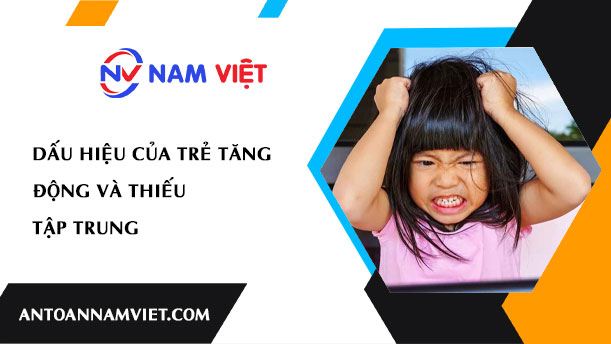
Signs of Hyperactivity and Lack of Focus in Children
Dec
Explore the colorful world of hyperactive and inattentive children through characteristic signs. This article will guide you through behavior, vision, and provide effective strategies to support the development and focus of your beloved children.
I. Overview of hyperactive and inattentive children
An overview of hyperactive and inattentive children is key to understanding this issue and laying the foundation for effective intervention measures. Attention Deficit Hyperactivity Disorder (ADHD) is a developmental condition in children, characterized by inappropriate development in three areas: inattention, hyperactivity, and sensory distraction.
- Main Characteristics of ADHD:
- Children with ADHD often have difficulty in maintaining focus, especially for activities requiring patience and mental effort.
- Uncontrolled hyperactivity and the constant need to move are common manifestations, making it difficult to sit still and participate in static activities.
- Diverse Clinical Symptoms:
- The symptoms of ADHD are diverse and manifest in many aspects of the child’s daily life.
- Weak sensory control ability, causing difficulty in participating in quiet activities and concentrating on work or study.
- Genetic and Hereditary Factors:
- Genetic and hereditary factors play an important role in the occurrence of ADHD.
- There is a strong link between family history and the risk of the disorder, highlighting the importance of understanding genetic factors to provide appropriate interventions.
- Other Causes:
- Other causes such as birth weight, prenatal environment, and delivery method also contribute to the development of this disorder.
- Understanding these factors helps determine the direction in the diagnosis and treatment process.

II. Genetic and hereditary factors
Genetic and hereditary factors play an important role in explaining the occurrence of attention deficit hyperactivity disorder in children. Many studies have shown that there is a strong link between this disorder and genetic factors inherited from parents. Children with the disorder often have a higher risk if their siblings or parents have a history of a similar disorder.
Some genetic studies have identified several gene expressions related to the development of attention deficit hyperactivity disorder. These expressions often affect neurotransmitter systems in the brain, especially dopamine and noradrenaline. Genetic changes in these systems can create instability in information transmission between brain cells, causing fluctuations in behavior and attention.
Besides genetic factors, heredity also plays an important role. Studies have shown that if parents have attention deficit hyperactivity disorder, the risk for their children to have this disorder increases significantly. This highlights the importance of understanding genetic and hereditary factors in diagnosing and treating this disorder, while also forming the basis for intervention methods targeting genetic origins.

III. Common symptoms such as difficulty paying attention, high activity, and sensory distraction
Common symptoms of hyperactive and inattentive children include a range of signs that affect the child’s learning ability and social interaction.
- Difficulty Paying Attention:
- Children often have difficulty maintaining attention, especially for activities requiring long-term focus.
- The ability to persevere in tasks, especially if the task does not capture the child’s interest, is one of the main issues.
- High Activity:
- Hyperactive behavior, constant movement, and difficulty sitting still are common manifestations.
- Children may frequently fidget, be restless, and even create non-stop motor activities, causing difficulty in maintaining order.
- Sensory Distraction:
- Children have difficulty tolerating stimuli and cannot control their reactions to them.
- This can create challenges in participating in quiet activities and concentrating on work or study.

IV. Signs of hyperactive and inattentive children
Signs of hyperactive and inattentive children are an important topic in the field of child mental health. Children with this disorder often show characteristic manifestations, and identifying them is important to provide appropriate support and intervention.
One of the clear signs is difficulty paying attention, where children struggle to maintain focus, especially on activities requiring patience and mental effort. Children may seem not to listen, or are easily distracted by their surroundings.
Hyperactive behavior is another sign, often manifested by the inability to sit still, always fidgeting, or being unable to focus on a specific task. For some children, they may constantly move and create non-stop motor activities, causing difficulty in maintaining order.
On the other hand, children may also experience difficulty in controlling their senses and reactions. This can make participating in quiet activities difficult and create challenges in the learning and social environment.

V. Other factors such as birth weight, prenatal environment, and delivery method
Other factors such as birth weight, prenatal environment, and delivery method play an important role in understanding the causes and effects of attention deficit hyperactivity disorder in children.
Birth weight is considered one of the factors affecting a child’s psychological development. Children with low birth weight may face a higher risk of developing mental disorders, including attention deficit hyperactivity disorder.
The prenatal environment also plays an important role. The pregnant mother affects the mental health of the fetus, and if this environment has disorder-causing factors, it can increase the risk of developing attention deficit hyperactivity disorder in the child.
The delivery method can also contribute to the formation of this disorder. Delivery methods can impact the child’s brain development and increase the risk of mental health problems.

VI. Treatment methods such as medication, psychotherapy, and a combination of these two methods
Treatment methods are an important part of managing and alleviating the symptoms of hyperactive and inattentive children. There are three main approaches: using medication, psychotherapy, and a flexible combination of both.
- Medication:
- Medication is often used to control the symptoms of attention deficit hyperactivity disorder, especially in severe cases.
- Medications such as stimulants and non-stimulants can help stabilize neurotransmitter systems in the brain, reducing hyperactivity and improving concentration.
- Psychotherapy:
- Psychotherapy includes many methods such as family counseling, individual counseling, or behavioral counseling.
- Focuses on providing behavior management skills and enhancing the child’s concentration ability through methods like reward and punishment, time management, and cognitive methods.
- Combination of Both Methods:
- The combination of medication and psychotherapy often yields higher effectiveness.
- This can help optimize the benefits from both methods and adjust medication dosage based on the child’s response and progress during treatment.
Most importantly, the decision on the treatment method should be based on an overall assessment of the child’s situation, and must be discussed and made by a team of medical experts experienced in this field to ensure effectiveness and safety for the child.

VII. The role of understanding and support from family, teachers, and the community
The role of understanding and support from family, teachers, and the community is important in the process of managing and mitigating the impact of attention deficit hyperactivity disorder on children.
- Family:
- The family plays the most important role in supporting the child. Understanding the disorder and management measures helps build a supportive and safe environment for the child.
- The family can also participate in training and counseling courses to improve management skills and create favorable conditions for the child’s development.
- Teachers:
- Support from teachers is important to create a positive learning environment for the child.
- Teachers need to be trained to recognize signs and symptoms, apply appropriate teaching methods, and provide personalized support to help children participate in the learning process.
- Community:
- Understanding from the community is important to reduce pressure and social judgment on the child.
- Community organizations, such as mental health support organizations, can provide information and support for families and teachers, while creating conditions for acceptance and peer support.

An Toan Nam Viet – a leading unit in providing occupational safety training and workplace environmental monitoring services. We are proud to be a trusted partner for businesses, helping ensure a safe working environment and protecting workers' health.With extensive experience and a team of top experts, we are committed to delivering high-quality services while meeting all regulatory requirements on occupational safety and environmental monitoring.
Our occupational safety training services include educating and raising awareness among employees about safety regulations, equipping them with skills to handle dangerous situations, and implementing accident prevention measures. We continuously update and apply the latest knowledge to ensure your employees always work in a safe environment, minimizing the risk of occupational accidents and protecting their lives.
With our workplace environmental monitoring services, we use the most advanced equipment and methods to measure, monitor, and analyze the quality of air, water, and noise in the working environment. We provide detailed and accurate reports on pollution levels, helping businesses implement solutions to improve working conditions, ensure legal compliance, and create a healthy workplace for employees.
Contact Information:
- Nam Viet Occupational Safety Training and Environmental Monitoring Co., Ltd.
- Phone: 0908 111 791
- Email: lienhe@en.antoannamviet.com
- Website: https://en.antoannamviet.com