
Hazard prevention
Beware of unexpected dangerous situations

Sep
In life and work, hazardous situations can be hidden everywhere. This article serves as a work safety training session that will guide you on the importance of vigilance and prevention in all situations.
I. Introduction to Hazardous Situations and Why They Can Occur Suddenly
In daily life and in the working environment, we often encounter hazardous situations that can occur unexpectedly. These situations often carry inherent risks to the health, safety, and even lives of everyone. To effectively cope with them, it is extremely important to understand the causes and how they can occur.
Hazardous situations can arise from many sources, including a lack of understanding of safety rules, poorly regulated or improperly followed work processes, poor quality equipment, or even contempt for safety.
In particular, **carelessness** and **lack of awareness** of risks in the working environment can lead to serious occupational accidents. This is more pronounced in industrial sectors that demand focus and strict adherence to safety rules.
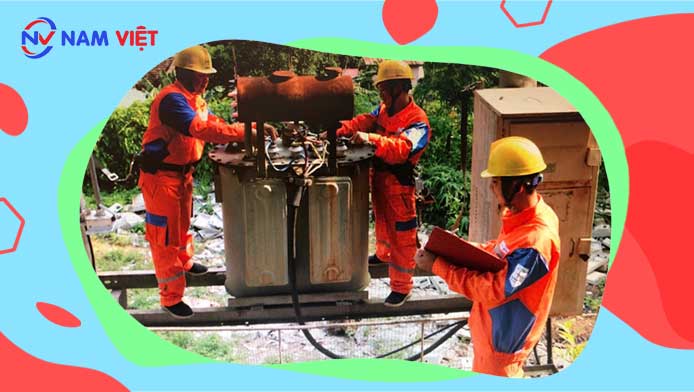
II. Presenting the Importance of Maintaining Vigilance in the Workplace
Vigilance plays an indispensable role in the workplace. It is the determining factor between life and death, between health and danger, between success and failure. Vigilance not only refers to recognizing hazards and risks but also requires focus, attention to detail, and the ability to make quick decisions.
In the working environment, maintaining **vigilance** can prevent accidents and injuries, protect the company’s assets and resources, and maintain work performance. Vigilant employees will easily recognize and report safety issues, helping to create a safer and more comfortable working environment.
However, vigilance is not achieved easily. It requires awareness, training, and continuous practice. Training employees to recognize hazards, apply safety rules, and know how to respond to emergencies is crucial for maintaining vigilance. You can find more detailed information on the contents of occupational safety training according to Decree 44.
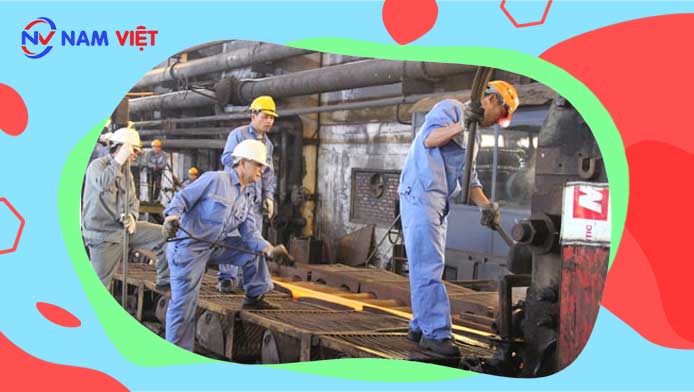
III. Exploring Common Risks in Various Jobs and Why They Need to Be Prevented
To ensure safety in the workplace, understanding and recognizing common types of risks is an important part of the preparation and prevention process. Risks can manifest in various forms, and they often threaten the health, assets, and safety of employees.
- Physical Risks: This includes hazards such as collapse, collision, or explosion. These types of risks can cause serious injuries or even death.
- Chemical Risks: Dust particles, toxic chemicals, or noxious gases can harm employees’ health if not carefully controlled. Long-term exposure can lead to serious health problems.
- Job Condition Risks: Some occupations require working in tropical, cold, or high-pressure environments. These factors can cause stress and negatively impact the mental and physical health of employees.
- Occupational Safety Risks: Unsafe situations such as lack of protective gear, malfunctioning machinery, or failure to comply with safety rules can lead to serious accidents.
- Environmental Impact Risks: This relates to issues such as air, water, noise, and light pollution. These impacts can affect the long-term health of employees.
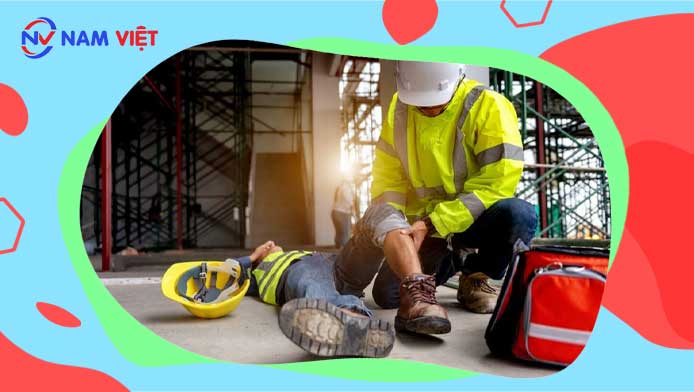
IV. Describing the Negative Consequences When Employees Are Not Vigilant in the Face of Danger
**Negligence** and a **lack of vigilance** in the face of danger in the working environment can lead to significant negative consequences.
- Accidents and Injuries: Negligence in the face of danger creates conditions for accidents to occur. Accidents harm the health and safety of employees, and sometimes they can lead to permanent disability or even death.
- Psychological Impact: Negligence and a lack of vigilance in the face of danger can cause stress and anxiety for employees. The feeling of being unsafe and not knowing how to protect oneself can affect work morale, creating apprehension and job dissatisfaction.
- Loss of Assets and Production: Accidents can lead to the loss of assets and disruption of the production process. This can result in losses in time, money, and products, negatively affecting the business.
- Decline in Work Performance: Employees who are not vigilant in the face of danger are often easily distracted, lose focus, and cannot work effectively. This can affect work productivity and job quality.
- Impact on Reputation and Credibility: Workplace accidents can damage the company’s reputation and affect its credibility in the community and the market.
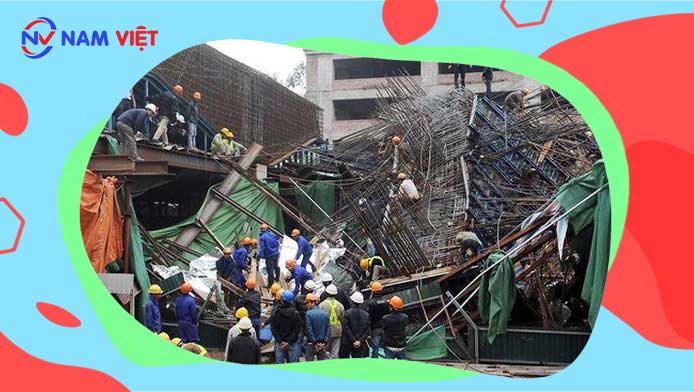
V. Guide on How to Build a Foundation of Safety and Vigilance in the Workplace
To create a foundation of safety and maintain vigilance in the workplace, there are several important ways that organizations and individuals can adhere to:
- Ensure Compliance with Safety Rules: Ensure that all employees strictly comply with safety rules and work procedures. This includes fully and correctly using personal protective equipment, implementing occupational hygiene regulations, and adhering to safety procedures.
- Training and Drills: Organizations need to invest in periodic training and drills for employees on occupational safety and hazardous factors in the working environment. This helps improve their awareness and knowledge of risks and preventive measures.
- Encourage Safety Reporting: Encourage everyone to report hazards and occupational accidents. Create an environment where employees are not afraid to report dangerous or negligent situations.
- Create a Safe Working Environment: Improve working conditions by creating a physically and mentally safe environment. This includes maintaining equipment and machinery, conducting periodic inspections, and minimizing risks.
- Use Technology and Data: Technology and data can be used to track and predict potential hazards, provide real-time safety information, and help management make data-driven decisions.
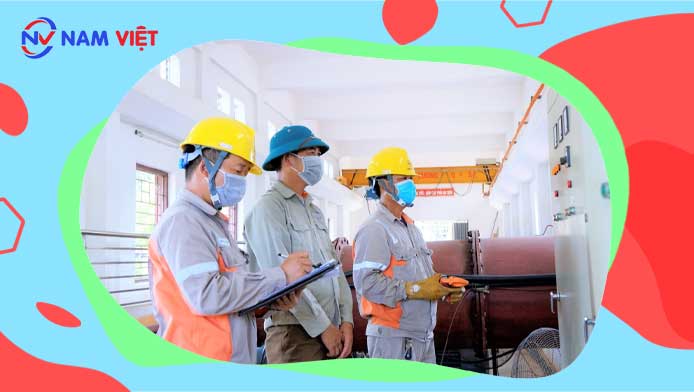
VI. Emphasizing the Importance of Training and Creating Safety Awareness in Daily Work
The method of **training and creating safety awareness** in daily work plays an extremely important role in maintaining a safe working environment and reducing the risk of occupational accidents.
- Enhance Understanding: Training helps employees better understand the hazards and risks related to their jobs. They will recognize dangerous situations and preventive measures.
- Foster Sensitivity: Training and awareness creation help develop sensitivity in detecting and reacting to hazards. Employees will become more vigilant and know how to respond when necessary.
- Reduce Accident Risk: Safety awareness and training are crucial tools for reducing the risk of occupational accidents. When everyone knows how to work safely, the accident rate significantly decreases.
- Create a Safety Culture: This method helps build a **safety culture** within the organization. When everyone sees safety as a top priority, they will comply with rules and promote safety throughout the entire organization.
- Improve Performance: Safety and training are directly related to work performance. When employees are skilled and confident in safety, they work more efficiently and contribute to organizational success.

VII. Summary of Why Vigilance and Prevention are Decisive Factors for Success in Work and Life
**Vigilance and prevention** play an important and decisive role in success not only in work but also in daily life. Here are the main points:
**1. Risks and Opportunities:** Vigilance helps us recognize and assess risks, and also identify opportunities. This helps optimize decisions and guide actions.
**2. Safety Protection: ** In the working environment, vigilance and prevention ensure the safety of employees. Preventing accidents and hazards is a crucial part of maintaining their safety and lives.
**3. Personal Performance:** Vigilance creates sensitivity in facing challenges and solving problems. This promotes personal performance and the ability to seize opportunities.
**4. Risk Management:** Vigilance helps us identify and manage risks. This includes both risks in career planning and personal life.
**5. Building Relationships:** In social life, vigilance allows us to build better relationships with others. We know how to listen, respect others’ opinions, and treat people fairly.
In summary, vigilance and prevention are not only important qualities in work but also factors that create success and development in daily life. You can find more detailed information on occupational safety training duration according to Decree 44.

VIII. Occupational Safety Training Competency of An Toàn Nam Việt
An Toàn Nam Việt is a reputable and high-quality occupational safety training center in Vietnam today. With continuous occupational safety training sessions taking place at production workshops, factories, or construction sites across the country (all 63 provinces and cities in Vietnam).
REGISTER FOR OCCUPATIONAL SAFETY TRAINING SERVICE
Occupational **Safety Training** License
- An Toàn Nam Việt has been inspected and certified by the **Occupational Safety Agency of the Ministry of Labour – Invalids and Social Affairs** for sufficient conditions to operate in occupational safety and hygiene training. This further strengthens our capacity for **occupational safety training** activities.

Documents and Lectures
- Before the occupational safety training documents are included in the **WSH training courses**, they are reviewed and approved to ensure that the lectures are accurate in terms of knowledge and effective when applied.
- The teaching methodology of the lecturers is synchronized according to the teaching standard of **An Toàn Nam Việt**, a method that **occupational safety and hygiene training** experts have researched and summarized during the teaching process to bring the highest knowledge absorption efficiency to trainees.
Facilities
- Controlling factors in the classroom that affect the training process will increase teaching efficiency and the effectiveness of knowledge absorption for trainees.
- Our facilities supporting the training course always arrange spacious classrooms that meet standards for area, lighting, training equipment, etc.
IX. National Occupational Environment Monitoring Center
Nam Việt’s Occupational Environment Monitoring Center is a professional unit specializing in supervising and measuring the quality of the working environment **across all provinces and cities in Vietnam**. With a team of experienced monitoring specialists, the center uses modern measuring equipment, ensuring accuracy and reliability.
REGISTER FOR OCCUPATIONAL ENVIRONMENT MONITORING SERVICE
In addition to providing monitoring services, the center also supports customers in planning, handling, and tracking issues related to the working environment. With the motto “**customer as the center**,” we always bring customer satisfaction, meet all customer needs, and commit to providing the best solutions for businesses.
With investment in technology, equipment, and human resources, Nam Việt’s monitoring center has become one of the reputable units in the field of occupational environment monitoring in Ho Chi Minh City with the following goals:
- We always value our brand reputation and the quality of our service products.
- We provide customers with the best and most suitable possible solutions.
- Along with a team of experienced and specialized Masters and Engineers who wish to protect the environment and benefit businesses.
- Coming to the Nam Việt Environmental Monitoring team, your company will receive professional service from experts in the field of monitoring. At the same time, you will receive the best cost benefits.
The process for implementing occupational environment monitoring at Nam Việt includes the following basic steps:
- Before implementing occupational environment monitoring, our company always ensures that the machinery and equipment used for occupational environment monitoring are calibrated and adjusted in compliance with the law.
- Correctly and fully implement the occupational environment monitoring process committed to the Department of Health.
- Truthfully report the results of occupational environment monitoring to the employer.
- In cases where the occupational environment monitoring results do not ensure the safety of employees, Nam Việt company will support in providing corrective solutions, and the labor facility will implement the following:
- Implement measures to improve working conditions to minimize the impact of harmful factors and prevent occupational diseases.
- Organize health examinations to early detect occupational diseases and work-related diseases for employees in positions where the working environment is not up to standard.
- Provide in-kind benefits to employees according to labor law regulations.