
Personal Protective Equipment (PPE)
Waterproof protective gear includes raincoats and waterproof boots

Oct
In the world of protective gear, the combination of waterproof features and safety is crucial. This article will explore diverse products like raincoats and waterproof boots, ensuring you stay protected and comfortable in all weather.
I. Introduction to the importance of waterproof features in protective gear
Waterproof features in protective gear play a crucial role in protecting workers from adverse weather elements and work environments. When working outdoors or in wet environments, having waterproof protective gear can prevent health problems and enhance work performance.
Raincoats, waterproof jackets, or waterproof shoes are some examples of protective gear with waterproof features. These products help ensure that workers do not get wet and cold in rainy, snowy weather or when working in wet environments. This helps prevent colds, flu, and other health conditions.
In addition, the waterproof feature also protects the protective gear from damage due to water exposure, ensuring it has a long lifespan and effectiveness. This is extremely important because protective gear is sometimes expensive and replacing it is not always convenient.

II. Exploring advancements in the design and function of waterproof raincoats
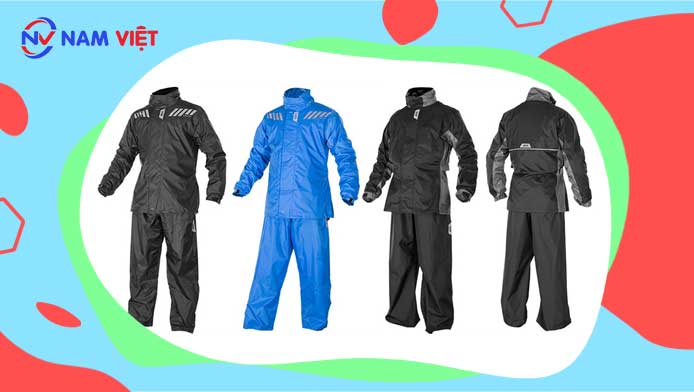
Modern raincoats have undergone a revolution in design and function, helping users overcome harsh weather more comfortably and effectively than ever before. Superior improvements in technology and materials have shaped the amazing features of modern waterproof raincoats.
One of the highlights of new raincoats is their lightness and convenience. Modern materials like nylon and polyester have replaced traditional thick and heavy fabrics. This not only helps users move easily but also makes it convenient to fold and pocket when not in use.
Modern waterproof raincoats also come with excellent waterproofing capabilities. By using advanced waterproof technology, these coats ensure you won’t get wet in heavy rain or snow. This is important for maintaining warmth and comfort.
Exploring further, some modern raincoat models have breathability to prevent clamminess and create more comfortable conditions in humid environments. Modern designs often come with accessories such as hoods and zip pockets, helping to perfectly protect the user’s head and hands.
III. Why waterproof boots are an important factor for workers and outdoor laborers
Waterproof boots are not just a fashion item for rainy days. For workers and outdoor laborers, they play a crucial role in ensuring safety and health in a challenging work environment. Occupational safety training is an important part of mastering how to use waterproof boots and understanding their importance.
One of the main risks that outdoor workers often face is a wet environment, especially in rainy or snowy weather. This can be harmful to their health if they are not properly protected. Waterproof boots act as a physical protective layer, helping to prevent water and moisture from penetrating the body, keeping feet dry and warm.
During occupational safety training, workers are instructed on how to choose and use the right type of waterproof boots for their job. They learn how to check the condition of the boots and maintain them to ensure they still provide the necessary waterproofing. In addition, they are instructed to replace boots if they are torn or damaged to avoid potential risks.

IV. Evaluating common types of raincoats and choosing the right one
When it comes to raincoats in the context of an occupational safety certificate, there are a variety of different models and styles that can be used. This means that workers need to know how to evaluate and choose the appropriate raincoat for their job and work environment.
Some common types of raincoats include:
- Outerwear raincoats: This is the common type of raincoat, usually designed to be worn over work clothes. They are simple and easy to use, but may limit flexibility in movement.
- Rain suits: This is a combination of a raincoat and rain pants, helping to protect the entire body from water. They are suitable for jobs that require a lot of contact with water, for example, working in heavy rain or wet environments.
- Hooded raincoats: These types of raincoats have hoods to help protect the head from rain, especially useful in heavy rain or when working outdoors in bad weather.
- Insulated raincoats: This type of coat is designed to keep the wearer warm in cold and rainy weather. They are suitable for jobs that require exposure to water and cold weather.
V. Understanding the materials and technologies used to make waterproof protective gear
Waterproof material is a critical factor in the design and manufacture of protective gear. To clearly understand how waterproof material works, workers and those involved in occupational safety need to learn about the materials and technologies used to make this protective gear.
Common waterproof materials include:
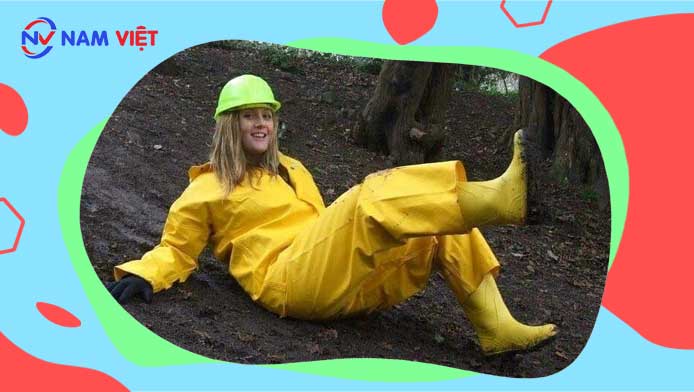
- Waterproof rubber and plastic: Materials like neoprene and PVC are often used to create raincoats and waterproof boots. They have good insulation and waterproofing capabilities.
- Waterproof fabric: Waterproof fabrics are often coated with a waterproof layer to prevent water from soaking into the material. Gore-Tex is a typical example of this type of fabric.
- Waterproofing technologies: In addition to the base material, technologies such as seam sealing, waterproof zippers, and sealed seams also play an important role in making protective gear waterproof. They help prevent water from seeping in through seams and zippers.
Understanding how these materials and technologies work helps users better understand the waterproof features of protective gear and how to maintain them to ensure safety performance. Waterproof protective gear often must comply with specific safety standards and regulations to ensure the effectiveness of the waterproof material in different working conditions.

VI. How to maintain and store waterproof protective gear to ensure longevity and performance
Caring for and storing waterproof protective gear is an important part of ensuring its performance and longevity.
- Clean and dry regularly: After use, clean the protective gear with warm water and mild soap. Ensure there is no dirt or contaminants left on the surface. Then, let it dry at room temperature and avoid direct sunlight.
- Check for holes or damage: To ensure watertightness, check the protective gear regularly to detect holes or damage. Any holes that could cause leaks should be sealed. For zippers, check them to ensure smooth operation.
- Store properly: Protective gear should be stored in a dry and cool place, away from direct sunlight and extreme temperatures. Avoid storing it folded for too long, as this can damage the material.
- Follow manufacturer’s instructions: Always follow the manufacturer’s instructions on how to care for and store the specific protective gear. Some products may require special detergents or storage.
- Replace when necessary: If the protective gear is damaged or no longer performs effectively, replace it without hesitation. Do not try to “repair” it using glue or other materials.

VII. Emphasizing the importance of waterproof features in protecting the health and safety of workers and consumers
Integrating waterproof elements in personal protection plays a crucial role in safeguarding the health and safety of workers and consumers. The waterproof feature not only helps prevent the penetration of water and harmful liquids but also provides many other important benefits:
- Health protection: In industries such as construction, chemicals, agriculture, and even in the medical field, the use of waterproof personal protection helps protect workers from exposure to harmful liquids. This reduces the risk of being affected by toxic chemicals, bacteria, or other factors that can cause illness.
- Increased work performance: Waterproof personal protective gear allows workers to work in environments with water without worrying about getting wet or water penetrating their bodies. This enhances work performance and helps maintain morale.
- Consumer protection: In addition to protecting workers, waterproof features are also important in protecting consumers. For example, in the food industry, the use of waterproof gloves and gowns ensures that food is not contaminated by water or other agents.
- Resource conservation: By preventing the loss of water and other liquids, we help protect the environment and conserve precious resources.

VIII. Occupational Safety Training Capacity of An Toan Nam Viet
An Toan Nam Viet is a prestigious and high-quality center specializing in occupational safety training (in many different languages such as English, Chinese, Japanese, Korean….) in Vietnam today. With occupational safety training sessions held continuously at production workshops, factories, or construction sites across the country (63 provinces in Vietnam).
REGISTER FOR OCCUPATIONAL SAFETY TRAINING SERVICE
Occupational safety training license
- An Toan Nam Viet has been inspected and certified by the Department of Safety of the Ministry of Labor – Invalids and Social Affairs as meeting the conditions for occupational safety and health training activities. This further strengthens our occupational safety training operation capacity.

Documents and lectures
- Before occupational safety training materials are included in OSH training courses, they are reviewed and censored to ensure that the lectures are always factually correct and effective when applied.
- The teaching methods of the lecturers are synchronized according to the teaching standards of An Toan Nam Viet, which is a method that experts in occupational safety and health training have researched and concluded during the teaching process to bring the highest knowledge acquisition efficiency for trainees.
Facilities
- Controlling factors in the classroom that affect the training process will increase teaching efficiency and the trainee’s effectiveness in acquiring knowledge.
- Our facilities supporting the training course always arrange spacious classrooms that meet standards for area, lighting, training equipment …etc…
IX. National occupational environment monitoring center
Nam Viet’s occupational environment monitoring center is a professional unit specializing in monitoring and measuring the quality of the occupational environment in all provinces across Vietnam. With an experienced team of monitoring specialists, the center uses modern measuring equipment, ensuring accuracy and reliability.
REGISTER FOR OCCUPATIONAL ENVIRONMENT MONITORING SERVICE
In addition to providing monitoring services, the center also supports clients in planning, handling, and tracking occupational environment issues. With the motto “customer is the center,” we always bring customer satisfaction, meet all customer needs, and commit to providing the best solutions for businesses.
With investment in techniques, technology, and human resources, Nam Viet’s monitoring center has been and is becoming one of the reputable units in the field of occupational environment monitoring in Ho Chi Minh City with the following goals:
- We always value our brand reputation and the quality of our products and services.
- We provide customers with the best and most suitable things possible.
- Along with a team of experienced Masters and Engineers with expertise, we desire to protect the environment and benefit businesses.
- Coming to the Nam Viet Environmental Monitoring team, your company will receive professional service from experts in the monitoring field. At the same time, you will get the best cost incentives.
The process of conducting occupational environment monitoring at Nam Viet includes the following basic steps:
- Before performing occupational environment monitoring, our company always ensures that machinery and equipment serving occupational environment monitoring are calibrated and verified in accordance with legal regulations.
- Implement the occupational environment monitoring process correctly and fully as committed to the Department of Health.
- Truthfully report the occupational environment monitoring results to the employer.
- In case the occupational environment monitoring results do not ensure safety for employees, Nam Viet company will support proposing remedial solutions and the labor facility will implement the following:
- Implement measures to improve working conditions to minimize the impact of harmful factors and prevent occupational diseases.
- Organize health checks to detect occupational diseases and work-related illnesses early for employees in positions with non-compliant working environments.
- Provide in-kind benefits for employees according to the provisions of labor law.