
Safe learning method
Safety training for workers is the key to ensuring work performance.

Aug
In a high-productivity work environment, ensuring employee safety is always the top priority. This article will take you on a journey to explore effective occupational safety training methods that help create a safe workplace, increase productivity, and minimize occupational accidents.
We will explore optimal strategies for delivering knowledge, enhancing safety awareness, and applying advanced technologies to provide the best support for workers. In addition, this article will focus on how to optimize the training process to save time and resources while still maintaining maximum work performance. Let’s discover practical and innovative solutions that can be applied immediately to build a safer workplace that benefits both employees and businesses.
I. Why is safety training important for work performance?
Safety training plays a crucial role in improving the work performance of an organization or business. First, training employees on safety helps reduce the risk of accidents and injuries, creating a safer working environment. When employees feel safe and properly supported, they can focus better, gain confidence, and work more efficiently.
Second, safety training helps increase labor productivity. Employees learn how to use tools, equipment, and machinery effectively and safely, reducing unnecessary downtime and the risk of incidents. They are also guided in best-practice techniques and proper procedures, helping optimize workflow and boost productivity.
Third, safety training improves the quality of products or services. Employees are instructed on how to maintain safety during production or service delivery, preventing avoidable errors or safety-related issues. This enhances the reliability of products or services and strengthens customer trust.
Finally, investing in safety training helps reduce risks and costs arising from occupational accidents and diseases. Employees with sufficient safety knowledge and awareness can minimize potential incidents and avoid dangerous situations. This not only saves money but also maintains the organization’s reputation in the eyes of the public and business partners. You can find more details about occupational safety training content according to Decree 44.
II. What factors affect worker safety and performance?
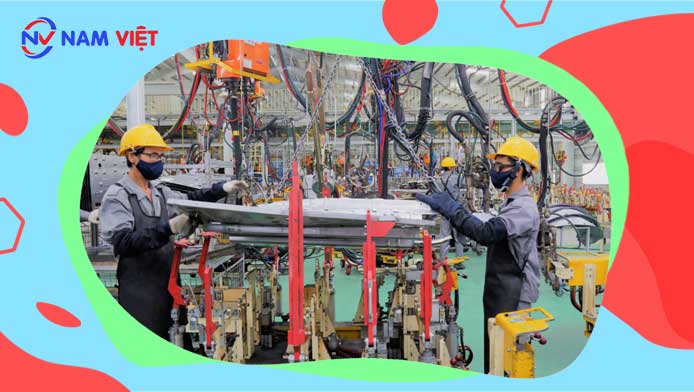
Worker safety and performance are influenced by several important factors in today’s working environment. The first is an unsafe working environment. Many industries—such as construction, manufacturing, and resource extraction—pose high occupational risks. Workers often face harsh conditions and lack proper protective equipment or safety-compliant tools, leading to increased risks of accidents and injuries.
Second, work pressure and stress greatly affect worker safety and performance. When work requires high speed and strict results, employees may lose focus and make mistakes, creating danger for themselves and others. Stress also reduces work efficiency and increases the likelihood of accidents.
Third, a lack of safety knowledge and skills is another major factor. In many cases, workers are not properly trained on how to use tools and equipment safely or are unaware of the hazards in their work environment. This leads to improper safety practices and increased risks.
Lastly, an unfavorable working environment can significantly impact worker safety and performance. Poor preparation, limited resources, and inefficient communication can create dangerous situations and reduce work effectiveness.
III. How to deliver safety knowledge effectively?
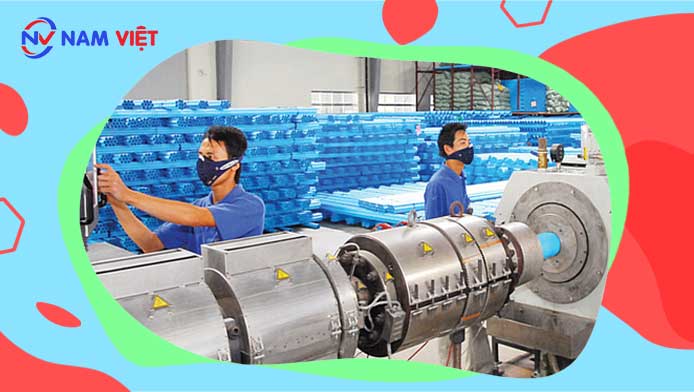
To deliver safety knowledge effectively, organizations and managers need to consider and apply appropriate training methods. Below are several effective approaches:
- Define training objectives: Before starting training, it is essential to clearly define goals and content. This ensures information is delivered clearly and is relevant to the learner’s job. A well-structured plan increases learning effectiveness.
- Use visual tools: Visual aids such as images, videos, and real-world simulations are excellent for illustrating safety concepts and potential hazards. Visual examples help learners better understand real scenarios and respond more effectively to risks.
- Encourage interaction: Allow learners to discuss, ask questions, and practice safety skills. Interaction with trainers and fellow learners enhances comprehension and the ability to apply knowledge.
- Apply flexible learning methods: Provide flexible training options such as online learning or on-site training depending on employees’ schedules. Flexibility encourages participation and improves learning outcomes.
- Create a positive learning environment: Encourage active participation by creating a comfortable and trustworthy atmosphere. This ensures learners are both engaged and respected.
- Evaluate and update knowledge: Track learner progress and assess knowledge retention. Provide updated safety information to ensure learners stay informed and adaptable to workplace changes.
IV. How to ensure employees always remember safety?
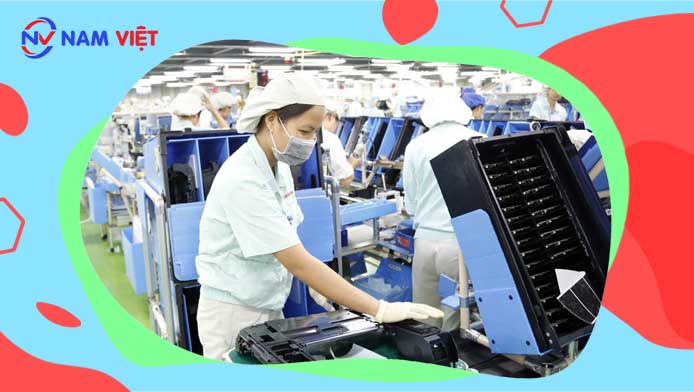
Ensuring employees consistently remember safety is essential for maintaining a safe and effective workplace. Here are several ways to strengthen safety compliance and awareness:
- Create a safe working environment: A safe workplace builds positive habits and attitudes toward safety. Providing adequate protective gear, maintaining equipment regularly, and ensuring safe working conditions are essential steps.
- Conduct regular training: Regular refresher training helps employees retain safety knowledge and skills. Real-world scenarios and hazardous case studies help them better understand the consequences of compliance and non-compliance.
- Develop safety plans and procedures: Establish clear safety processes and job-specific guidelines. Employees must fully understand and follow these procedures.
- Encourage participation and feedback: Motivate employees to contribute safety improvement ideas and give feedback on work processes. This builds commitment and responsibility.
- Promote reminders and checkpoints: Regular reminders through signs, posters, or workplace announcements help reinforce safety rules.
- Strengthen supervision and feedback: Positive safety monitoring and feedback ensure employees feel supported and responsible for their own safety and that of their coworkers.
- Reward and evaluate performance: Recognize positive safety behaviors and evaluate compliance. This motivates employees to maintain safety practices daily.
V. How to integrate technology into safety training and monitoring?
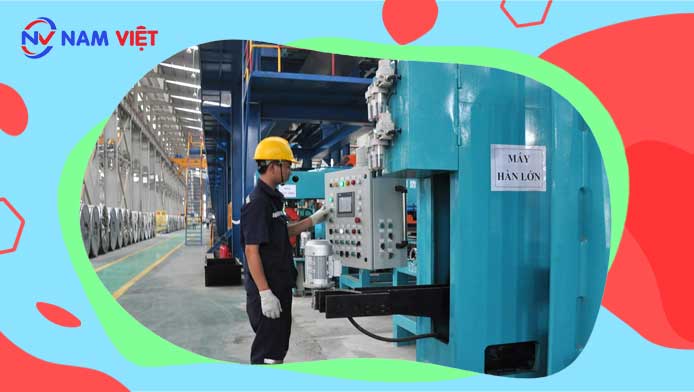
Technology plays an increasingly important role in improving safety training and monitoring. Here are some ways to integrate technology effectively:
- Use online learning systems: Safety training can be delivered through online platforms, allowing employees to study anytime, anywhere, with quizzes and assessments to ensure effectiveness.
- Use mobile apps and smart wearables: These tools can deliver real-time safety instructions directly during work, enhancing interactivity and practicality.
- Apply virtual reality (VR) and augmented reality (AR): VR and AR can recreate hazardous scenarios realistically, allowing employees to practice responding to danger without real-life risks.
- Monitor safety using sensors and security systems: Sensors and monitoring systems help track activities and detect hazards early for timely intervention.
- Data analysis and evaluation: Technology enables the collection and analysis of safety training data, helping improve future training programs.

VI. Minimizing time and enhancing training efficiency
Minimizing training time while improving effectiveness is a key goal in ensuring workplace safety and productivity. Here are some strategies:
- Optimize training content: Focus only on essential knowledge and skills to ensure safety. Remove unnecessary content to reduce training time while maintaining effectiveness.
- Use flexible training formats: Combine on-site and online training to align with employees’ schedules. This reduces travel time and increases engagement.
- Use modern training technologies: Applying VR, AR, or AI creates more interactive and realistic learning experiences, improving retention.
- Evaluate training effectiveness: Set clear evaluation criteria through tests, practical assessments, and feedback.
Regular knowledge updates: Ensure training programs are frequently updated to reflect the latest safety regulations and industry technologies. This helps employees stay informed and minimize workplace risks. More details on occupational safety training duration can be found in Decree 44.

VII. Major benefits of occupational safety and work performance
Occupational safety plays an essential role in protecting workers’ health and also provides major benefits for organizations and their performance:
- Reduced accidents and injuries: A safe working environment minimizes accidents, helping employees work confidently and effectively.
- Increased motivation and commitment: A safe workplace builds trust, respect, and commitment from employees.
- Higher productivity: By removing safety risks, employees can work more efficiently and with better focus.
- Reduced downtime: Workplace accidents often lead to recovery time or work absence. Safety reduces this risk.
- Enhanced company reputation: Businesses that prioritize safety demonstrate care and professionalism, attracting talent and customer trust.
- Cost saving: A safe workplace reduces expenses related to compensation, medical treatment, and operational disruptions.

VIII. Occupational Safety Training Capacity of An Toàn Nam Việt
An Toàn Nam Việt is a reputable and high-quality occupational safety training center in Vietnam, providing continuous training sessions at factories, plants, and construction sites nationwide (63 provinces).
Occupational safety training license
- An Toàn Nam Việt has been inspected and certified by the Department of Occupational Safety of the Ministry of Labour – Invalids and Social Affairs, confirming full eligibility to conduct occupational safety and hygiene training. This further strengthens our capacity in occupational safety training.

Training materials and lectures
- Before being used in occupational safety courses, all training materials undergo review and approval to ensure accuracy and effectiveness.
- The teaching methods applied by instructors follow standardized guidelines developed by An Toàn Nam Việt, based on experience from safety training experts to achieve optimal learning outcomes.
Facilities
- Controlling classroom environmental factors enhances teaching effectiveness and improves learners’ absorption of knowledge.
- Our training facilities provide spacious classrooms meeting standards in space, lighting, and equipment.
IX. Nationwide Occupational Environment Monitoring Center
The Occupational Environment Monitoring Center of Nam Việt is a professional unit specializing in monitoring and measuring workplace environmental quality across all provinces in Vietnam. With a team of experienced environmental monitoring specialists, the center uses modern equipment to ensure accuracy and reliability.
In addition to monitoring services, the center supports clients in planning, handling, and following up on occupational environment issues. Following the motto “customer-centered”, the center ensures satisfaction and provides the best solutions for businesses.
With continuous investment in technology, equipment, and human resources, Nam Việt’s monitoring center has become one of the reputable units in the field in Ho Chi Minh City, with the following objectives:
- We always prioritize brand reputation and service quality.
- We provide customers with the best and most suitable solutions.
- Our team of experienced Masters and Engineers is committed to protecting the environment and supporting businesses.
- When working with Nam Việt’s Monitoring Team, companies receive professional service and the best cost benefits.
The occupational environment monitoring process at Nam Việt includes the following steps:
- Before monitoring begins, all equipment is calibrated and adjusted according to legal requirements.
- Monitoring procedures are carried out fully and correctly as registered with the Department of Health.
- Monitoring results are reported truthfully to the employer.
- If results show unsafe conditions, Nam Việt will propose corrective measures, and the workplace must:
- Implement improvements to reduce harmful exposure and prevent occupational diseases.
- Organize health checks to detect occupational diseases early for employees working in unsafe environments.
- Provide statutory material allowances for workers according to labor laws.