
Safe learning method
Occupational Safety and Health Training to Ensure a Safe Working Environment

Aug
The modernization and industrialization of the country are advancing rapidly, and ensuring employee safety is not only an ethical obligation but also a key factor determining the success of any business. In the article below, we will explore the importance of Occupational Safety and Hygiene Training to ensure a Safe Working Environment for your business. We will also analyze the benefits that investing in safety training brings to enterprises—from reducing unfortunate workplace accidents to improving employee performance.
I. Occupational safety and hygiene today and its impact on businesses
Currently, businesses are facing increasingly complex and diverse occupational safety risks. Workplace accidents and occupational diseases not only cause direct harm to employees but also negatively affect the company’s reputation and business operations. Failure to promptly address unsafe workplace conditions can lead to production interruptions, property damage, and increased compensation costs for businesses. At the same time, this can cause disputes with employees and disrupt workplace stability.
Therefore, businesses must invest in and prioritize occupational safety and hygiene. Creating a safe and healthy working environment not only increases productivity but also builds trust and loyalty among employees. Employees are a critical pillar of business success, and companies must respect and protect their rights.
In addition to complying with legal regulations on occupational safety and hygiene, enterprises should develop suitable policies, procedures, and training programs to enhance employee awareness and responsibility regarding workplace safety.

Applying advanced technology in production to ensure occupational safety and hygiene
II. Safety training plays a decisive role in reducing workplace accidents and injuries
The key factor in reducing workplace accidents is ensuring workers are fully equipped with the necessary knowledge and skills to identify, assess, and resolve hazardous situations. Through training courses, employees can recognize potential risks and learn how to respond effectively to prevent accidents.
Safety training also improves employees’ awareness and sense of responsibility regarding workplace safety. By understanding the importance of complying with safety regulations and procedures, employees will proactively take preventive measures and contribute to a safer work environment. Additionally, employee participation in safety training helps build a positive safety culture and strengthen unity within the company.
Safety training not only reduces workplace accident risks but also enhances work efficiency and productivity. Employees equipped with adequate safety knowledge and skills will perform more effectively, avoid unnecessary errors that may cause accidents, and minimize downtime due to injuries.

The workplace always contains potential accident risks
III. Economic benefits of investing in safety training and improving labor efficiency
One of the major economic benefits of investing in safety training is the reduction of workplace accident and compensation costs. Workplace accidents can result in serious consequences such as production downtime, medical expenses, and compensation. Proper safety training significantly reduces accident risks, helping businesses save costs and optimize workforce utilization.
Furthermore, safety training also enhances labor efficiency. Employees equipped with safety knowledge and skills work more confidently and proactively. They can identify and prevent risks and handle hazardous situations quickly and effectively, minimizing disruptions and boosting productivity. Increased labor efficiency leads to higher output, improved product and service quality, and contributes to competitiveness and sustainable development.
Investing in safety training also creates a positive working environment that attracts and retains talented employees. Workers who feel valued and protected tend to be more committed and loyal, helping companies retain talent and maintain competitive advantages in the labor market.
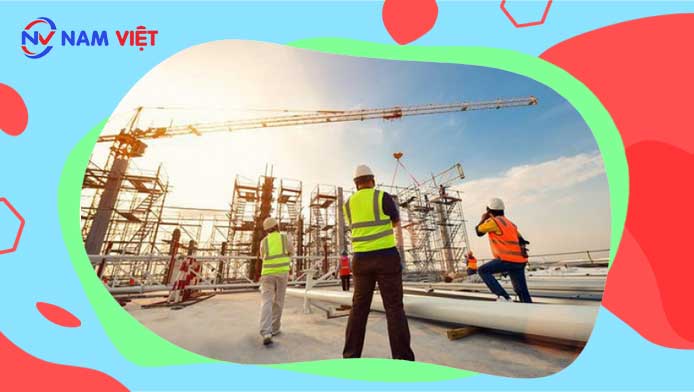
Enhancing labor efficiency contributes to business growth
IV. The role of leadership in building a safe and successful workplace culture
Business leaders shape and establish the core values of the organization. By demonstrating and applying strong safety awareness in all activities, leaders become companions, supporters, and motivators for their teams in practicing safety.
Specifically, leaders must ensure that safety policies and procedures are clearly established and fully implemented. They must also promote periodic safety training courses and take responsibility for monitoring compliance throughout the organization.
This not only helps reduce workplace accidents but also improves work performance and fosters unity within the organization. When everyone joins hands and follows safety measures, pride and commitment to the work increase significantly.

Business leaders create a safe and healthy working environment for employees
V. Modern technology ensures effective safety training
With online learning platforms, employees can access training courses remotely with flexibility in time and location.
Additionally, mobile applications allow workers to quickly and easily access safety information and documents. These tools also help track training progress and update safety knowledge.
In the future, the use of artificial intelligence (AI) and augmented reality (AR) is expected to provide new, advanced solutions for occupational safety training. These technologies help create interactive learning experiences that encourage employees to actively engage in safety practice and learning.
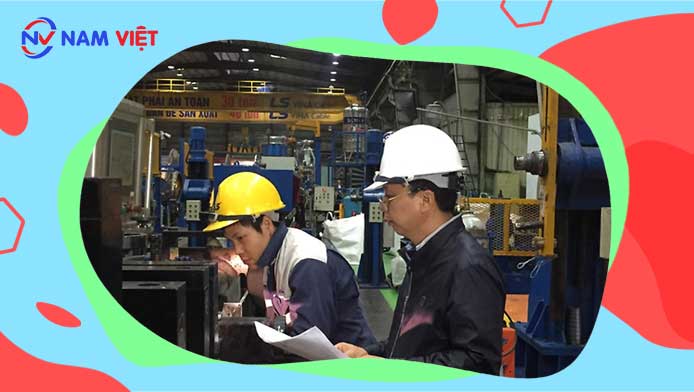
Applying advanced training methods and technologies in production
VI. Creating a safe, dynamic, and reliable working environment
First, leaders and managers must prioritize safety to demonstrate their commitment to employee well-being. By promoting awareness and responsibility at all levels, employees will proactively comply with safety regulations.
Secondly, a dynamic and reliable working environment is built by ensuring adequate equipment and modern working tools. This helps employees work more efficiently and safely. Providing a comfortable, positive, and motivating workplace also boosts morale and job satisfaction.
Next, businesses must focus on employee training and development. Ensuring that workers are adequately trained in job skills and workplace safety builds confidence and proactive performance. Encouraging continuous learning of safety knowledge further enhances worker capabilities and fosters a sense of being valued.
Finally, creating a safe, dynamic, and reliable workplace requires identifying challenges in the work environment and implementing appropriate improvement measures.

Building a dynamic, safe, and reliable workplace between businesses and employees
VII. Guidelines and recommendations for effective safety training and building a successful safe working environment
To implement effective safety training and build a successful safe working environment, businesses should focus on the following aspects:
- Identify training needs: Businesses should determine specific training needs for each job group and type of worker. This helps prioritize each separate safety training group.
- Develop diverse training programs: Build a rich and diverse training program that includes direct instruction, online learning, hands-on practice, and experience-sharing activities.
- Commit to and prioritize safety: Leaders and managers must demonstrate strong commitment to safety. Showing dedicated safety leadership motivates employees and encourages a company-wide safety mindset.
- Create a learning and development environment: Build a positive learning atmosphere where employees are encouraged to participate, share experiences, and exchange safety knowledge.
- Measure and evaluate effectiveness: After each training session, businesses should assess learning outcomes and how well employees apply knowledge in real work situations.
- Recommend improvements: Based on assessments, businesses should propose enhancements and adjustments to training programs to improve effectiveness and meet workers’ needs.
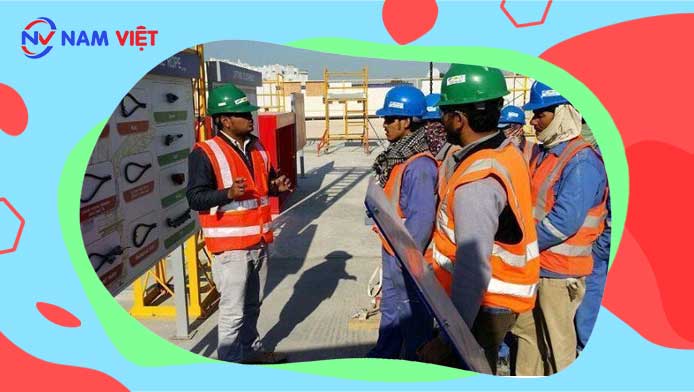
Training employees on essential occupational safety and hygiene knowledge and skills
VIII. Occupational Safety Training Capacity of An Toàn Nam Việt
An Toàn Nam Việt is a reputable and high-quality occupational safety training center in Vietnam today. Safety training sessions are conducted continuously at production facilities, factories, and construction sites nationwide (63 provinces and cities in Vietnam).
REGISTER FOR OCCUPATIONAL SAFETY TRAINING SERVICE
Training License
- An Toàn Nam Việt has been inspected and certified by the Department of Occupational Safety under the Ministry of Labour – Invalids and Social Affairs as meeting the required conditions for conducting occupational safety and hygiene training. This further affirms our strong capability in occupational safety training.

Certificate of Eligibility for Occupational Safety Training
Training Materials and Lessons
- All safety training materials are reviewed and approved to ensure accuracy and effectiveness before being included in any occupational safety training course.
- Teaching methods are standardized according to An Toàn Nam Việt’s methodology, developed and refined by experts in occupational safety training to ensure maximum learning effectiveness.
Facilities
- Controlling classroom factors improves teaching efficiency and enhances learner comprehension.
- Our training facilities include spacious classrooms meeting standards for size, lighting, and training equipment.
IX. National Occupational Environment Monitoring Center
The Occupational Environment Monitoring Center of Nam Việt is a professional unit specializing in monitoring and measuring workplace environmental quality across all provinces in Vietnam. With a team of experienced monitoring specialists, the center uses modern measuring equipment ensuring accuracy and reliability.
REGISTER FOR OCCUPATIONAL ENVIRONMENT MONITORING SERVICE
In addition to providing monitoring services, the center also supports customers in planning, handling, and monitoring workplace environmental issues. With the philosophy of “customers at the center,” we ensure satisfaction and commit to offering optimal solutions.
With strong investment in technology and human resources, Nam Việt’s monitoring center has become a reputable unit in occupational environment monitoring in Ho Chi Minh City, with the following commitments:
- We highly value brand reputation and the quality of our services.
- We provide the best and most suitable solutions for customers.
- Our team of experienced Master’s degree holders and Engineers is dedicated to environmental protection and business benefits.
- When working with Nam Việt’s Monitoring Team, your company will receive professional service and the best cost-saving advantages.
The occupational environment monitoring process at Nam Việt includes:
- Before conducting monitoring activities, all equipment is calibrated and adjusted according to legal standards.
- The monitoring process strictly follows procedures committed to the Department of Health.
- Monitoring results are honestly reported to employers.
- If working environments are found unsafe, Nam Việt provides corrective recommendations, and employers must:
- Implement improvements to minimize harmful exposure and prevent occupational diseases.
- Organize health examinations to detect early signs of occupational illnesses for workers exposed to unsafe environments.
- Provide mandatory allowances for workers in accordance with labor laws.

Official approval from the Department of Health for conducting occupational environment monitoring activities