
Hazard prevention
Safety instructions for new workers

Sep
For those new to the world of work, understanding and applying knowledge about **hazard identification** and **safety** is a crucial starting point. This article will guide you on how to face these challenges intelligently and confidently.
I. Understanding the Importance of Hazard Identification
Understanding **hazards** is a decisive factor for any field or environment. The ability to identify and assess hazards not only helps protect people’s lives and health but also ensures workplace safety.
1. Protecting health and life: Hazards can cause serious accidents or even fatalities. Understanding them helps prevent unwanted risks and ensures the safety of everyone involved.
2. Increasing work efficiency: Grasping information about hazards helps workers perform their jobs more easily without worrying about incidents and accidents.
3. Complying with legal regulations: In many sectors, adhering to safety regulations and ensuring safety is mandated by law. Understanding hazards helps businesses or individuals comply with the law effectively.
4. Minimizing damage: In the event of an accident, being prepared and having knowledge of hazards can help minimize damage to property and the environment.
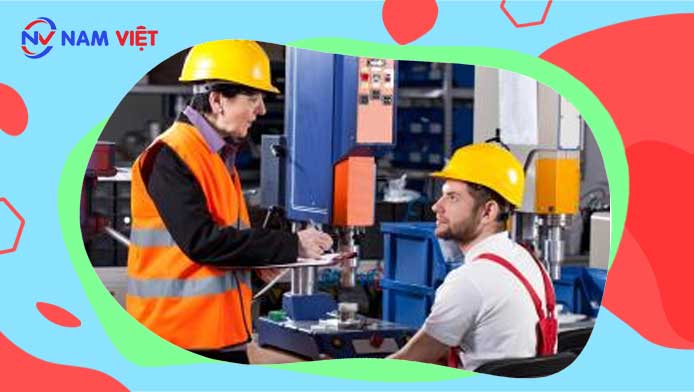
II. Starting Point on the Potential Consequences of Non-Compliance with Safety Measures
A lack of understanding about work safety can lead to a range of potential and serious consequences for individuals, businesses, and society as a whole.
1. Accidents and injuries: One of the most obvious consequences of a lack of understanding of work safety is the potential for accidents and injuries. Not grasping safety rules can lead to health harm or even death.
2. Property restoration: Non-compliance with work safety measures can result in property damage. Machinery, equipment, and facilities can be damaged or require expensive repair and replacement.
3. Loss of time and resources: Accidents or work safety incidents can lead to significant loss of time and resources for handling the consequences, including medical treatment, compensation, and repair.
4. Reputational damage: Businesses or organizations that do not prioritize safety may suffer reputational damage. Safety incidents become a public issue and can negatively impact their image and credibility.
5. Financial costs: The consequences of a lack of understanding of safety can result in significant financial costs, including compensation payments, medical fees, and post-accident recovery costs.
Accidents and incidents can lead to production disruptions, resulting in revenue and business opportunity losses. You can find more detailed information on labor safety training duration according to Decree 44.
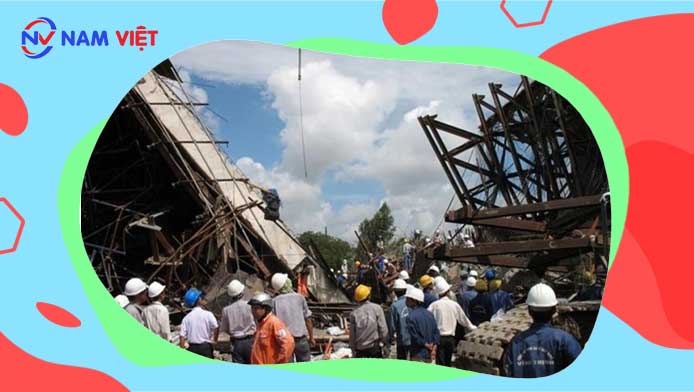
III. Learning How to Recognize Common Workplace Hazards
To ensure safety in the workplace, grasping basic knowledge of identifying common hazards is a critical part of the training process and creating a safe work environment.
1. Physical hazards: These are hazards that can cause physical injuries to workers. This includes accidents from machinery, heavy equipment, physical objects, and situations like slips, trips, falls, and collisions.
2. Chemical hazards: Toxic or unsafe chemicals can harm workers’ health. The identification, storage, and use of these substances must comply with strict safety rules.
3. Biological and toxic hazards: Depending on the occupation, hazards may involve exposure to infectious agents or toxins, for example, in the medical or chemical sectors.
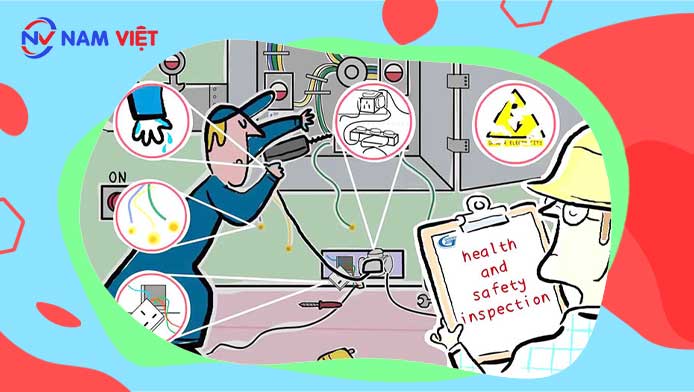
4. Electrical and thermal hazards: Risks related to electricity and heat can cause fires, explosions, or electric shock. This often occurs in industries like electrical power, construction, or manufacturing.
IV. Exploring How to Apply Safety Measures to Protect Yourself
To ensure personal safety in the workplace, you need to master how to apply appropriate safety measures.
1. Get trained: First and foremost, make sure you have participated in labor safety training courses. Understanding the rules and regulations is the foundation for implementing safety measures.
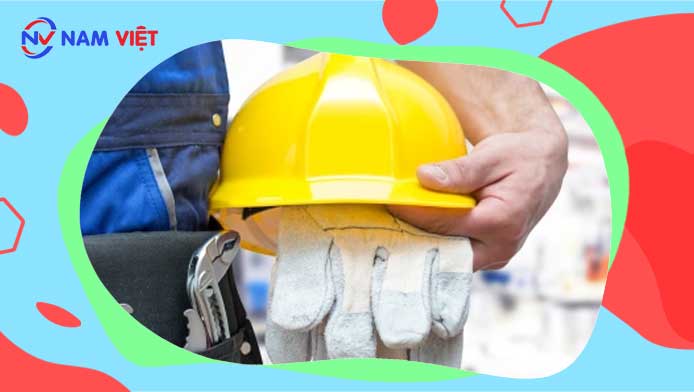
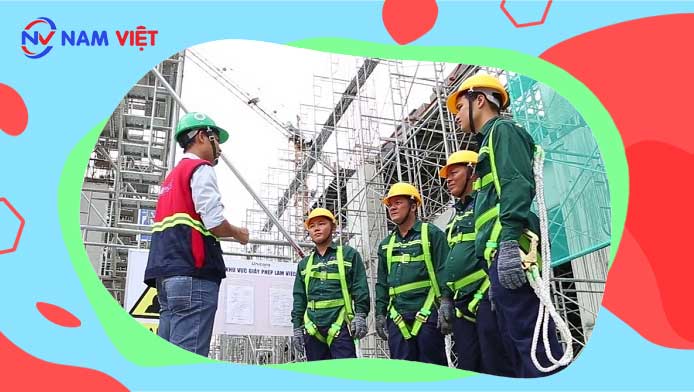
2. Use protective gear: Always ensure you are fully equipped and correctly using personal protective equipment (PPE) such as safety glasses, helmets, gloves, and protective clothing. This is especially crucial in high-physical-risk occupations.
3. Monitor equipment status: Thoroughly inspect equipment and machinery before use. Any malfunctions must be reported and repaired immediately to avoid the risk of accidents.
4. Follow procedures: Always comply with the safety procedures and regulations set out in the workplace. This includes using the correct tools, safe entry and exit routes, and implementing preventive measures.
5. Participate in safe operations: Actively participate in safety plan reviews, discussions about hazards and safety solutions, and immediately report any dangerous situations.
6. Learn from experience: Every time an accident or safety incident occurs, learn from that experience and adjust your safety measures and work behavior to prevent recurrence.
V. Real-world Examples and Common Workplace Scenarios
To better understand the facets of work safety, we need to consider real-world examples and common situations that can occur in the work environment. Below are some specific examples:
1. Risks when working at height: In the construction industry or any job requiring working at height, not using the correct protective equipment like safety harnesses or not following safety procedures can lead to serious accidents.
2. Occupational hygiene issues: In production workshops or factories, not reviewing occupational hygiene plans or not complying with sanitation regulations can cause health and safety incidents for workers.
3. Using hazardous chemicals: In work environments involving chemicals, improper storage, handling, or use can cause accidents, environmental pollution, or even danger to all employees in that area.
4. Traffic accident risks: Workers must commute from home to the workplace. In this case, not obeying traffic laws, not using protective gear when necessary, or violating safe speeds can lead to traffic accidents.
5. Emergency and first aid situations: Everyone should know how to respond to emergencies such as fires, workplace accidents, or even basic first aid. This requires basic first aid knowledge and skills.
VI. How to Integrate Safety and Efficiency in Daily Work
Safety and work efficiency do not always go hand-in-hand, but they can be integrated to create a better work environment for everyone.
1. Ensure adequate protective gear: Everyone should be fully equipped with labor protective gear suitable for their job. This protects them from accident risks and simultaneously creates better working conditions.
2. Safety training: Provide labor safety training courses for all employees so they know how to respond to dangerous situations and avoid accidents. This helps minimize risks and increase labor efficiency.
3. Adhere to safety procedures: Ensure that everyone complies with the set safety procedures and regulations. This helps prevent dangerous situations and creates a trustworthy work environment.
4. Continuous improvement: Always seize opportunities to improve work processes and safety. Use feedback from employees and accident data to adjust and enhance.
Integrating safety and efficiency in work is a continuous process and requires commitment from everyone in the organization. However, when done correctly, it can bring great benefits to both employees and the business. You can find more detailed information about labor safety training content according to Decree 44.
VII. How to Create a Safe and Sustainable Work Environment for Long-term Development
To ensure sustainable development in the future, building a foundation of safety in the workplace is extremely important.
1. Commitment from leadership: Leadership commitment plays a decisive role in building the safety foundation. They must set an example and prioritize safety in every decision.
2. Safety management system: Develop a robust safety management system, including establishing regular inspection and evaluation procedures to ensure compliance with safety regulations.
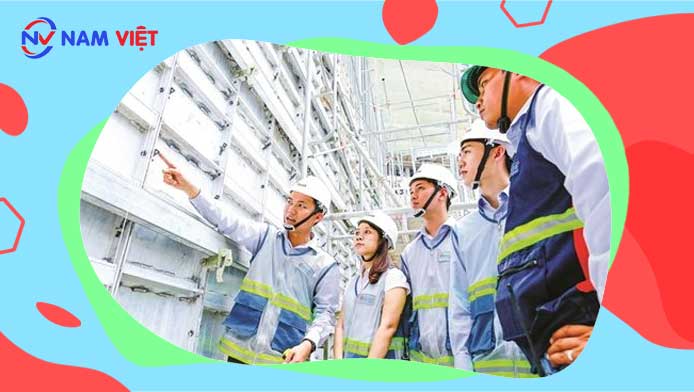
3. Training and education: Continuous training and education on safety are important to create awareness and understanding of hazards for all employees.
4. Use of technology: Modern technology can help improve occupational safety by monitoring and detecting hazards quickly. Utilize technological solutions to support this work.
5. Create an open, encouraging environment: Encourage all employees to participate in proposing safety improvements and create an open environment where they can share opinions and feedback.

VIII. An Toàn Nam Việt’s Labor Safety Training Capacity
An Toàn Nam Việt is a reputable and quality **labor safety training** center in Vietnam today. With continuous labor safety training sessions taking place at production workshops, factories, or construction sites across the country (63 provinces and cities in Vietnam).
REGISTER FOR LABOR SAFETY TRAINING SERVICE
**Labor safety training** License
- An Toàn Nam Việt has been inspected and certified with eligibility to operate **labor hygiene and safety training** by the **Department of Labor Safety under the Ministry of Labor – Invalids and Social Affairs**. This further solidifies our capacity to conduct **labor safety training** activities.

Materials and lectures
- Before the labor safety training materials are included in the **LST training courses**, they are reviewed and vetted to ensure the lectures are accurate in terms of knowledge and effective when applied.
- The teaching methodology of the instructors is synchronized according to **An Toàn Nam Việt**’s teaching standards, which is a method researched and summarized by **labor hygiene and safety training** experts during the teaching process to bring the highest knowledge retention effectiveness for trainees.
Facilities
- Controlling the factors in the classroom that affect the training process will increase teaching performance and the effectiveness of knowledge retention by trainees.
- Our **Facilities supporting the training course** always arrange spacious classrooms meeting standards for area, lighting, training equipment… etc…
IX. National Workplace Environmental Monitoring Center
Nam Việt’s **workplace environmental monitoring center** is a professional unit specializing in supervising and measuring **workplace environmental quality** across **all provinces in Vietnam**. With a team of experienced **monitoring specialists**, the center uses modern measuring equipment, ensuring accuracy and reliability.
REGISTER FOR WORKPLACE ENVIRONMENTAL MONITORING SERVICE
In addition to providing monitoring services, the center also supports customers in planning, handling, and tracking **workplace environmental** issues. With the motto “the customer is the center,” we always strive for customer satisfaction, meet all customer needs, and commit to providing the best solutions for businesses.
With investment in technology, technique, and human resources, Nam Việt’s monitoring center has become one of the reputable units in the field of **workplace environmental monitoring** in Ho Chi Minh City with the following goals:
- We always value brand reputation and the quality of our service products.
- We provide customers with the best and most suitable possible solutions.
- Together with a team of experienced and specialized Masters and Engineers who wish to protect the environment and benefit businesses.
- By engaging with the Nam Việt Environmental Monitoring team, your company will receive professional service from experts in the monitoring field. Simultaneously, you will receive the best cost incentives.
The basic steps in Nam Việt’s workplace environmental monitoring process include:
- Before performing **workplace environmental monitoring**, our company always ensures that the machinery and equipment used for monitoring are correctly calibrated and adjusted according to legal regulations.
- Execute the committed **workplace environmental monitoring** process correctly and completely with the Department of Health.
- Truthfully inform the employer of the **workplace environmental monitoring** results.
- If the **workplace environmental monitoring** results do not ensure worker safety, Nam Việt company will support in proposing remedial solutions, and the labor facility will implement the following:
- Deploy measures to improve working conditions to minimize the influence of harmful factors and prevent occupational diseases.
- Organize health examinations to early detect occupational diseases and related illnesses for employees in positions with unsafe working environments.
- Provide in-kind allowances for workers according to labor law regulations.