
Safe learning method
Professional group 3 safety training guide
Aug
The article “Professional Guide to Group 3 Safety Training” will be your reliable companion on the journey to becoming an outstanding leader.
In this article, we provide detailed knowledge about training methods, effective communication skills, and how to build team cohesion. We go beyond introducing basic techniques to advanced strategies that enhance work performance and minimize risks.
I. Understanding the Personality and Abilities of Each Team Member
To succeed in any project or task, building an effective working team is extremely important. Each member in Group 3 plays a crucial role in overall success. Understanding each member’s personality and abilities is essential for ensuring smooth team operations.
Individual personalities deeply influence how members interact within the team. Some members adapt easily and are sociable, while others may need more time to adjust. Knowing these personalities helps leaders create a comfortable and unified working environment.
Moreover, assessing the abilities and skills of each member is also critical. Some individuals are more capable of performing specific tasks than others. Focusing on each member’s strengths and contributions helps improve overall team performance. You can find more detailed information about occupational safety training content according to Decree 44.
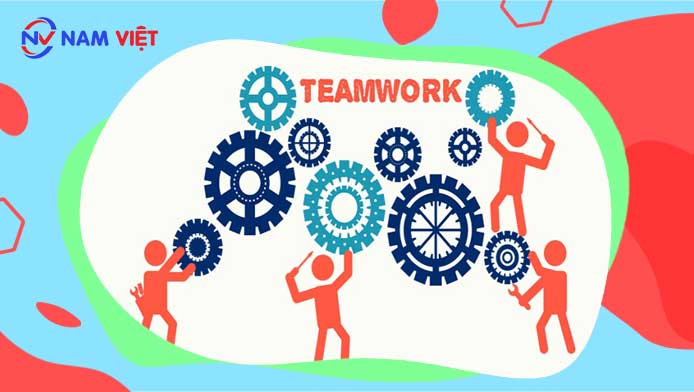
II. Building Trust and Understanding Among Members
To build trust, members need to listen and respect each other’s opinions. Understanding each person’s perspective helps create openness in communication. Avoid excessive judgment or criticism; instead, focus on understanding what others are trying to convey. This encourages members to share ideas freely, fostering stronger collaboration.
Additionally, providing opportunities for constructive feedback improves communication effectiveness. Members should courageously express their views honestly and be open to positive feedback to improve their work.
Effective communication also involves using positive language and creating a comfortable, pressure-free environment. Courtesy and respect in speech enhance group harmony and reduce conflicts or misunderstandings.
Using modern communication tools such as email, online meetings, or messaging apps saves time and enhances interaction among members. Ensuring accurate and complete information across all communication channels is essential. You can find more details about occupational safety training duration according to Decree 44.

III. Creating a Harmonious and Cohesive Working Environment
Team cohesion is extremely important for achieving optimal work performance and overall success. When members feel united and harmonious, they collaborate more easily, share ideas, solve problems, and support each other in any situation. Below are strategies from the Professional Guide to Group 3 Safety Training for fostering team cohesion:
- Define common goals: To create cohesion, a team must clearly define common goals that all members agree on and work towards. This provides a shared direction and ensures alignment in achieving objectives.
- Provide space for all opinions: Allow everyone to share their ideas freely without fear of criticism. Diverse opinions enhance creativity and lead to better decisions.
- Encourage cooperation: Promote teamwork by sharing knowledge and skills. Organizing meaningful and engaging group activities strengthens relationships among members.
- Create a supportive environment: Establish a work environment where everyone feels valued and respected. Support from team members builds trust and reliability.
- Resolve conflicts constructively: Conflicts are inevitable, but resolving them constructively ensures cohesion. Focus on finding common solutions rather than arguing or criticizing.
- Create bonding opportunities: Organize team-building activities such as outings, after-work gatherings, or sports events to enhance camaraderie among members.

IV. Safety Skills and Emergency Response
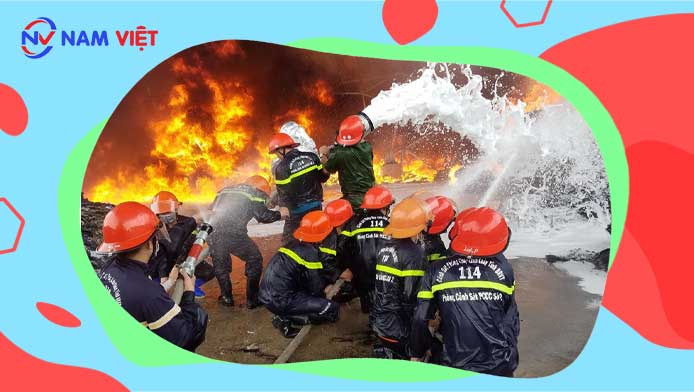
Risk management and handling emergency situations are critical for ensuring safety and preventing adverse outcomes at work. Teams and organizations must prepare for emergencies by developing appropriate skills and procedures. Below are key strategies and skills for ensuring safety and effective emergency response:
- Risk assessment and management: Identify potential workplace hazards and determine their severity. Then, implement safety measures to minimize risks and respond appropriately when incidents occur.
- Training and awareness: Training equips team members with the knowledge and skills needed to respond to emergencies. Staff should be guided on using safety equipment, response procedures, and staying calm during unexpected situations.
- Develop response plans: Create specific emergency response plans detailing steps and clearly assigning tasks to each team member to ensure prompt and effective action.
- Practice and focus on hands-on skills: Regular practice of simulated workplace accidents improves readiness and helps maintain composure in real scenarios.
- Establish notification and communication systems: Implement effective communication systems to relay real-time information during emergencies.
- Review and improve: Regularly review and refine safety and response plans based on experience and feedback from past emergencies.
V. Enhancing Work Performance with Technology and Tools
Optimizing team performance is a key goal of occupational safety training to increase productivity and efficiency. Modern technology and support tools enhance team capability and optimize workflows. Here are ways to leverage technology for better performance:
- Improve workflows: Use technology to streamline team processes, reduce manual steps, and ensure efficiency and continuity.
- Use project management tools: Online project management tools help track progress, assign tasks, and monitor activities in real-time.
- Online collaboration: Collaboration apps allow team members to communicate, share information, and work together remotely.
- Integrate automation technology: Automation saves time, reduces errors, and significantly boosts productivity.
- Intelligent work distribution: Use smart work allocation tools to ensure fair and effective task distribution among members.
- Create a flexible work environment: Combine remote work technology with support tools to enable flexibility and efficiency.
- Monitor performance and provide feedback: Use analytics tools to track progress, evaluate performance, and provide feedback to improve work processes.

VI. Outstanding Leaders Driving Team Progress and Success
To become an outstanding leader and drive team progress, leadership and management skills are crucial. Leadership applies not only to managers but all team members. Key points for developing leadership and management skills include:
- Self-awareness and development: Understand your leadership strengths and weaknesses, and focus on developing skills through learning and training.
- Build relationships and inspire: Develop good relationships with team members, listen empathetically, and support their growth and potential.
- Guidance and planning: Direct the team towards common goals, plan and assign tasks clearly to ensure everyone understands objectives and responsibilities.
- Encourage and motivate: Encourage team members to maintain motivation and energy, allowing everyone to contribute ideas and feedback.
- Resolve conflicts and challenges: Address conflicts and challenges effectively, seek solutions beneficial to the entire team.
- Continuous learning: Leadership is a continuous process. Always seek opportunities to improve skills and become a better leader.

VII. Applying Knowledge and Experience to Projects and Activities for Maximum Efficiency
After learning and acquiring knowledge, successfully applying it in practice is essential. Here are ways to achieve professionalism and maximum effectiveness:
- Customize knowledge: Adapt acquired knowledge to the specific needs of projects or activities, ensuring high applicability and effectiveness.
- Create action plans: Define objectives and detailed action plans to systematically apply knowledge and experience for best results.
- Use support tools: Employ appropriate tools and advanced software to improve workflows, optimize resources, and enhance performance.
- Learn from successes and failures: Continuously improve methods and processes by learning from both achievements and mistakes.
- Measure and evaluate results: Assess outcomes to refine and adjust practices for maximum professionalism and efficiency.
Successful application in practice is not a simple step but a continuous and complex process, requiring patience, persistence, and willingness to learn from every experience to achieve the highest professionalism and effectiveness in the workplace.
VIII. Occupational Safety Training Capacity of An Toàn Nam Việt
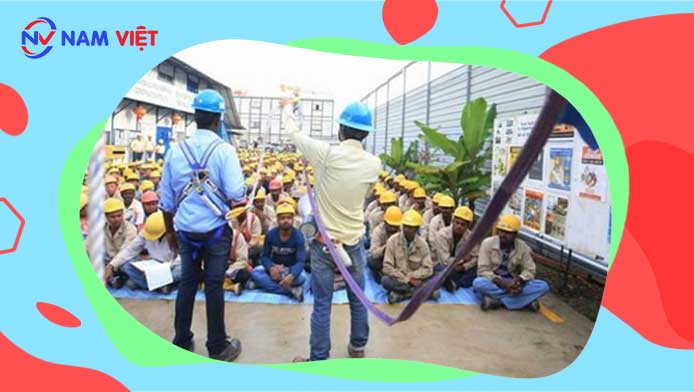
An Toàn Nam Việt is a reputable occupational safety training center in Vietnam, conducting continuous training at factories, production sites, or construction sites nationwide (63 provinces).
REGISTER FOR OCCUPATIONAL SAFETY TRAINING SERVICES
Training License
- An Toàn Nam Việt has been certified by the Department of Occupational Safety of the Ministry of Labor, Invalids and Social Affairs, confirming the center’s eligibility to conduct occupational safety and hygiene training, further strengthening its capacity in this field.

Training Materials and Lectures
- Before being used in occupational safety training courses, materials are reviewed and approved to ensure accuracy and effectiveness.
- Instructors follow standardized teaching methods of An Toàn Nam Việt, developed by experts in occupational safety and hygiene training to maximize knowledge retention.
Facilities
- Controlling classroom factors enhances teaching performance and student knowledge acquisition.
- Our training facilities are spacious, meeting standards for area, lighting, and training equipment.
IX. National Occupational Environmental Monitoring Center
Nam Việt Occupational Environmental Monitoring Center is a professional unit monitoring and measuring workplace environmental quality across all provinces in Vietnam. With experienced monitoring specialists, the center uses modern equipment to ensure accuracy and reliability.
REGISTER FOR WORKPLACE ENVIRONMENT MONITORING SERVICE
Besides providing monitoring services, the center supports clients in planning, addressing, and tracking workplace environmental issues. With the motto “customer-centered,” it strives to satisfy client needs and offer optimal solutions.
Investing in technology, expertise, and personnel, Nam Việt’s monitoring center is recognized as a reliable unit in workplace environmental monitoring in Ho Chi Minh City, with the following goals:
- We value our brand reputation and service quality.
- We provide clients with the best and most suitable solutions.
- With experienced Masters and Engineers aiming to protect the environment and benefit enterprises.
- Working with Nam Việt Environmental Monitoring team ensures professional service with specialists and the best cost advantages.
The workplace environmental monitoring process at Nam Việt includes the following basic steps:
- Before monitoring, ensure all equipment is calibrated and compliant with legal regulations.
- Follow the committed workplace monitoring procedures accurately.
- Report monitoring results honestly to the employer.
- If results indicate unsafe conditions, Nam Việt supports solutions, and the workplace implements:
- Implement measures to improve conditions and minimize harmful effects while preventing occupational diseases.
- Organize health checkups to detect occupational diseases early for affected workers.
- Provide material compensation to employees as per labor law.