
Working environment factors
How does Zinc Hydride affect workers’ health?
Aug
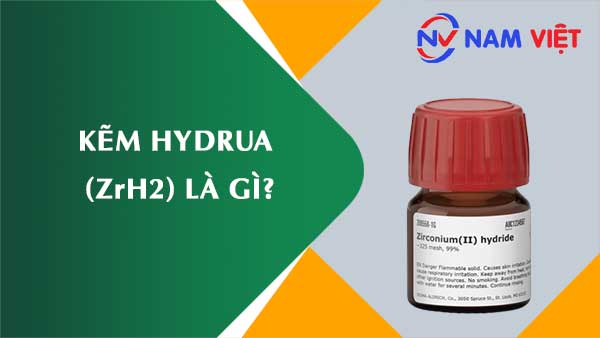
Zirconium(II) hydride (ZrH2) is an important compound in industry, but it can significantly affect worker health. This article will provide an overview of the impact of ZrH2, potential health risks, and effective protective measures in the work environment.
1. What is Zirconium(II) hydride?
Zirconium(II) hydride, with the chemical formula ZrH2, is a chemical compound of zirconium and hydrogen. Zirconium, symbolized as Zr, is a transition metal in group 4 of the periodic table, noted for its anti-corrosion properties and high heat resistance. When combined with hydrogen, zirconium forms zirconium hydride, a compound with unique properties.
In the chemical form ZrH2, zirconium serves as the main metal, while hydrogen appears as hydride ions (H⁻). ZrH2 is silver-gray and has a cubic crystal structure. This compound not only has special chemical properties but also influences industrial applications due to its properties in absorbing and releasing hydrogen.
Zirconium(II) hydride is often used in industrial applications and scientific research, especially in the nuclear industry and energy-related applications. Thanks to its ability to absorb and release hydrogen, it plays an important role in hydrogen storage and transportation systems, contributing to green and energy-saving technologies.
However, working with ZrH2 in an industrial environment requires special attention to safety, as this compound can cause certain health effects for workers if not managed properly. Therefore, understanding ZrH2 and protective measures is very important to ensure a safe and effective work environment.
| No. | Chemical Name in Vietnamese | Chemical Name in English | HS Code | CAS Number | Chemical Formula |
| 1. | Kẽm hydrua | Zirconium(II) hydride | 28500000 | 7704-99-6 | ZrH2 |
See more services chemical safety training according to Decree 113/2017/ND-CP
REGISTER FOR CHEMICAL SAFETY TRAINING ACCORDING TO DECREE 113
2. Where does Zirconium(II) hydride originate from in the production process?
Zirconium(II) hydride (ZrH2) primarily appears in production processes and industrial applications related to zirconium and hydrogen. In industry, ZrH2 is often created through a chemical reaction between zirconium and hydrogen. This process can occur under special conditions such as high temperature and high pressure, where zirconium reacts with hydrogen to form zirconium hydride.
A major source of ZrH2 generation is from metal materials manufacturing plants, especially those facilities processing zirconium and its compounds. In these plants, zirconium is often used in powder or rod form in applications such as alloys, anti-corrosion materials, and in the nuclear industry. When zirconium comes into contact with hydrogen under specific conditions, ZrH2 is formed as a byproduct.
Additionally, ZrH2 can also arise during processing and production related to zirconium-containing compounds. For example, during work with zirconium compounds in tool or industrial equipment manufacturing plants, interaction with hydrogen gas can lead to the formation of ZrH2. These processes include using hydrogen gas to create new zirconium compounds or in chemical reactions requiring special conditions.
Identifying and controlling the sources of ZrH2 generation is very important to ensure worker safety and protect the environment. Monitoring and controlling factors such as pressure, temperature, and hydrogen exposure in production processes help minimize risks and negative impacts from this compound.

3. Industries that use Zirconium(II) hydride in production
Zirconium(II) hydride (ZrH2) plays an important role in many industries due to its special properties. One of the main industries using ZrH2 is the nuclear industry. In this field, ZrH2 is used to reduce neutron reflectivity and enhance the performance of fuel rods. Because zirconium has good neutron absorption capabilities, combining it with hydrogen helps improve the material’s properties in nuclear reactors.
The alloy manufacturing industry is also an important area for the use of ZrH2. Zirconium alloys are widely used in applications requiring high anti-corrosion and heat-resistant properties. Zirconium hydride can improve the hydrogen absorption capacity of these alloys, making them more suitable for applications in harsh environments.
In addition, ZrH2 is also applied in the energy industry, especially in hydrogen storage and transportation systems. Because ZrH2 can efficiently absorb and release hydrogen, it is often used in energy storage devices and in hydrogen-related technologies, such as fuel cells.
The medical device and high-tech manufacturing industries also use zirconium hydride, especially in devices needing anti-corrosion and heat-resistant properties. ZrH2 helps improve the material properties of medical and technological devices, ensuring durability and performance in specialized applications.
4. How does Zirconium(II) hydride affect workers?
Zirconium(II) hydride (ZrH2), despite its many important industrial applications, also poses potential risks to worker health upon exposure to this compound. One of the main issues is the possibility of ZrH2 releasing toxic gases or small dust particles during production, processing, or when the compound decomposes. These dust particles can irritate the respiratory tract, leading to respiratory problems such as coughing, difficulty breathing, and bronchitis.
Long-term exposure to zirconium hydride can also cause more serious health problems. Inhaling ZrH2 dust can lead to the accumulation of zirconium in the body, resulting in symptoms such as fatigue, headaches, and symptoms related to the central nervous system. Research shows that continuous exposure to zirconium-containing compounds can lead to lung diseases and respiratory function problems, which is particularly important in industries where the use of ZrH2 is common.
Furthermore, exposure to zirconium hydride can cause skin problems such as irritation, rash, or contact dermatitis. Workers may experience skin issues if they do not use adequate protective measures such as protective clothing, gloves, and goggles when working with ZrH2.
Due to these health risks, ensuring occupational safety when working with zirconium hydride is very important. Preventive measures such as good ventilation in the work area, use of personal protective equipment, and training workers about the risks associated with ZrH2 can help minimize negative health impacts. Companies should also regularly monitor exposure levels and implement safety measures to protect worker health and maintain a safe work environment.
5. Permissible safe concentration of Zirconium(II) hydride for human exposure
To protect worker health when exposed to zirconium(II) hydride (ZrH2), determining the permissible safe concentration is very important. The permissible safe concentration of ZrH2 in the work environment is usually stipulated by international occupational health and safety organizations, such as the World Health Organization (WHO) and the occupational safety regulatory agencies of each country.
Typically, these regulations set concentration limits for zirconium-containing dust or gas in the air, aiming to ensure that workers are not exposed to high concentrations that could be harmful to health. For example, according to standards from OSHA (Occupational Safety and Health Administration) and ACGIH (American Conference of Governmental and Industrial Hygienists), the concentration limit for zirconium in the air is set at 5 mg/m³ for zirconium dust, and this concentration may vary by country and regulatory organization.
To ensure safety, companies and production facilities need to implement measures to maintain the concentration of zirconium hydride in the air below the specified limits. This includes implementing engineering controls such as improving ventilation systems, using air filtration equipment, and implementing safe work procedures. At the same time, monitoring the zirconium hydride concentration in the work environment through measuring devices and periodic testing is also necessary to detect and promptly address if the concentration exceeds safe levels.
In addition to controlling the concentration in the work environment, personal protective measures also need to be applied. Workers should use appropriate protective equipment, such as masks, gloves, and goggles, to minimize direct contact with ZrH2. These measures help protect worker health while maintaining a safe and effective work environment.

At a basic level, if working in an industrial environment, it is important to adhere to safety standards and limit exposure to Zirconium(II) hydride. Organizations like the Occupational Safety and Health Administration (OSHA) in the United States provide guidelines and safety principles to protect workers from the negative impacts of chemical substances.
6. Measures to minimize the effects of Zirconium(II) hydride on worker health
To minimize the effects of zirconium(II) hydride (ZrH2) on worker health, protective and control measures need to be implemented synchronously and effectively. First, establishing a good ventilation and air cleaning system in the work area is extremely important. Good ventilation helps reduce the concentration of ZrH2 dust and gas in the air, thereby reducing the risk of inhaling this compound. Air filtration systems, such as HEPA filters and specialized air purification devices, should also be used to remove zirconium dust particles from the air.
Besides that, training and instructing workers on safety measures when working with ZrH2 is essential. Workers need to be provided with information about the health risks associated with ZrH2, how to use personal protective equipment, and safe work procedures. Training on how to recognize and handle emergency situations, such as spills or direct contact with ZrH2, also helps workers protect themselves more effectively.
The use of personal protective equipment is another important measure to minimize health risks. Workers should use dust masks or respirators to prevent inhalation of ZrH2 dust particles. Gloves and goggles should also be equipped to protect skin and eyes from direct contact with this compound. This protective gear helps minimize exposure to ZrH2 and protect worker health throughout the work process.
In addition to personal and engineering protective measures, regular monitoring and testing of ZrH2 concentrations in the work environment are very important. Devices for measuring zirconium concentration in the air need to be used to monitor and detect early any levels exceeding permissible limits. If high concentrations are detected, immediate corrective actions need to be taken to minimize risks for workers.
Synthesizing these measures helps create a safe work environment, protecting worker health from the negative impacts of zirconium(II) hydride.
Occupational safety training: Workers need to be trained and educated about the risks and safety measures when working with this type of chemical. This training should be provided periodically and regularly to ensure understanding and proper adherence to safety rules.
Periodically organize occupational environment monitoring in factories and enterprises, collect and analyze factors harmful to workers, thereby adjusting to reduce hazard levels to prevent occupational diseases for them.
7. Nationwide occupational environment monitoring center
Occupational environment monitoring center of Nam Viet is a professional unit for monitoring and measuring the quality of the occupational environment across all provinces in Vietnam. With a team of monitoring specialists with extensive experience, the center uses modern measuring equipment, ensuring accuracy and reliability.
REGISTER FOR OCCUPATIONAL ENVIRONMENT MONITORING SERVICE
In addition to providing monitoring services, the center also assists clients in planning, addressing, and tracking occupational environment issues. With the motto “the customer is the center,” the center focuses on customer satisfaction, meets all customer needs, and is committed to providing the best solutions for businesses.
With investment in techniques, technology, and human resources, Nam Viet’s monitoring center has become one of the reputable units in the field of occupational environment monitoring in Ho Chi Minh City with the following objectives:
- We always value our brand reputation and the quality of our products and services.
- We provide our customers with the best and most suitable solutions possible.
- With a team of experienced and specialized Masters and Engineers, we desire to protect the environment and benefit businesses.

- Coming to Nam Viet Environmental Monitoring team, your company will receive professional service from experts in the monitoring field. At the same time, you will get the best cost incentives.
8. Quotation for occupational environment monitoring
To help businesses carry out occupational environment monitoring professionally and effectively, Nam Viet provides customers with a price list for occupational environment monitoring services with quality and reasonable costs.
- Our monitoring price list provides detailed information about the prices of the monitoring services we offer. This includes costs related to travel, measurement, analysis, and reporting of results. Customers can be completely assured of the accuracy and reliability of the monitoring result reports we provide.
- We commit to always offering the most competitive and reasonable prices on the market, and we are always ready to consult and answer any questions about monitoring services quickly and professionally.
- With Nam Viet’s monitoring price list, customers can easily choose service packages that suit their needs. We are committed to bringing our customers the highest satisfaction with professional service quality.