
Health
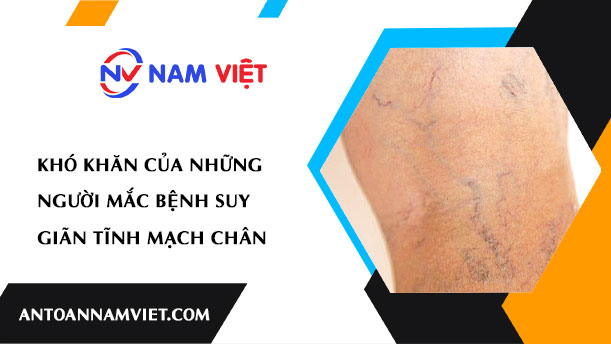
The Challenges Faced by People with Varicose Veins
Dec
In modern life, Varicose Veins in the legs have become a prominent challenge for many people. This article will take you into the world of those who face various difficulties caused by this condition. From painful emotions to limitations in movement, we will explore the unexpected aspects of daily life and their extraordinary efforts to overcome these difficult challenges. At the same time, the article will also share useful information on how to manage and mitigate the negative impacts of Varicose Veins, aiming to bring understanding and support to the general community.
I. Varicose veins in the legs, a health problem that is not life-threatening but significantly affects quality of life
Varicose veins in the legs, although not life-threatening, bring significant impacts on quality of life. For those affected, movement becomes difficult and daily life becomes a daunting challenge. They face limitations in flexibility and constant pain, which creates a different and sometimes challenging life experience.
Varicose veins do not just stop at physical symptoms; they also cause psychological effects. Affected individuals often face tension and stress due to limitations in their mobility. This can affect social relationships and overall mood, creating a different outlook on life.
Furthermore, varicose veins also cause problems with self-confidence and body image. Prominent veins, swollen legs, and other skin manifestations can reduce the patient’s self-confidence, putting them in a state of embarrassment and hesitation in social interactions. This is an aspect that is little mentioned but greatly affects their psychology and morale.
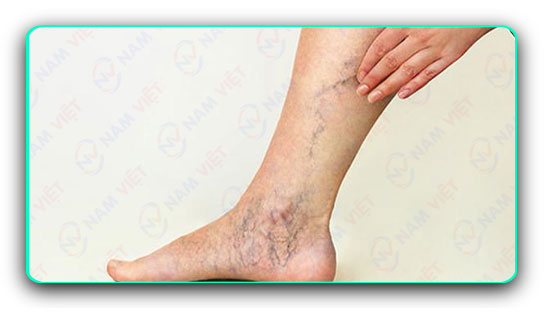
II. Symptoms from mild to severe of the disease, including leg pain, swelling, and more severe conditions can lead to characteristic skin surface manifestations
Once varicose veins are diagnosed, the patient will face many symptoms ranging from mild to severe, creating a complex picture of their health condition. Leg pain is one of the most common symptoms, especially at the end of the day when pressure increases. Swelling and a feeling of heaviness in the legs are also common symptoms, especially when the patient has to stand for a long time or sit for extended periods.
More severe conditions of varicose veins can lead to characteristic skin surface manifestations, which many people do not expect. Prominent veins or lines on the skin appear as a complex network, creating a unique pattern. In addition, spider veins and clearly visible prominent veins may appear, all of which are signs of blood stagnation and reduced function of the vein valves.
These manifestations are not just a cosmetic issue but also a sign indicating the impact of the disease on body perception. This creates a clear picture of poor blood circulation, and recognizing and dealing with these manifestations is important to ensure that the patient can receive proper care and treatment to mitigate the negative effects of varicose veins.
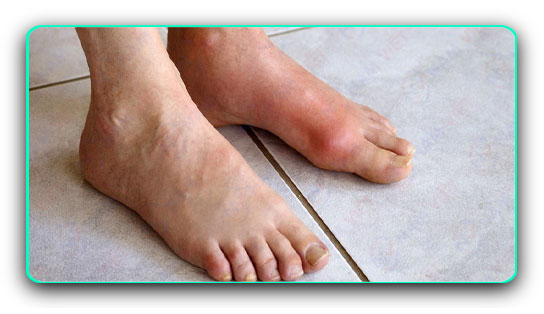
III. Causal factors for varicose veins, from lifestyle habits to gender, and emphasizing the rejuvenation of the disease
Varicose veins are not just the result of a single factor, but a combination of many causal factors, from lifestyle habits to gender, especially the rejuvenation of this disease.
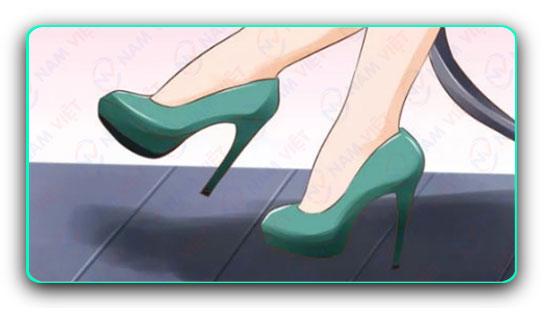
Lifestyle Habits: Lifestyle habits play an important role in the development of varicose veins. People who have to sit or stand for long periods, or even those addicted to high heels, are all high-risk groups. Modern life and jobs that require long hours of sitting also increase the risk of this disease.
Gender Factor: According to a report by Future Medicine (UK), the rate of women suffering from varicose veins is 2-3 times higher than men. Habits of sitting a lot, standing for long periods, and pressure on the legs in daily work increase the risk for women. At the same time, factors such as wearing high heels from a young age can also increase pressure on the legs, increasing the likelihood of developing the disease.
Rejuvenation of the Disease: There are increasingly more cases of varicose veins in young people. Even during the period of social distancing due to the pandemic, lack of exercise was a significant cause. The rejuvenation of this disease not only poses a challenge for healthcare but also provides an opportunity to research and develop treatment methods suitable for this group.
IV. Varicose veins affect daily life, especially during the period of social distancing due to the pandemic
Varicose veins are not just a health problem, but also profoundly affect the daily lives of those who have to deal with it, especially in the context of social distancing due to the pandemic.
Challenges in Movement: People with varicose veins often face challenges with movement. The pain and feeling of heaviness in their legs make it difficult for them to participate in daily activities such as walking, standing for long periods, or even sitting comfortably. This creates a state of limited flexibility and causes difficulty in participating in social activities and work.
Psychological and Social Impact: Varicose veins also affect the patient’s psychology and social relationships. All activities become difficult and painful, creating a state of tension and stress. At the same time, the characteristic skin surface manifestations also reduce self-confidence and create embarrassment, affecting relationships with others.
Intensification During Social Distancing: During the period of social distancing due to the pandemic, health and movement issues became increasingly prominent. People with varicose veins, especially those working from home, faced additional difficulties. Lack of exercise and prolonged sitting can increase pressure on the legs, increasing the risk and worsening the symptoms of the disease.
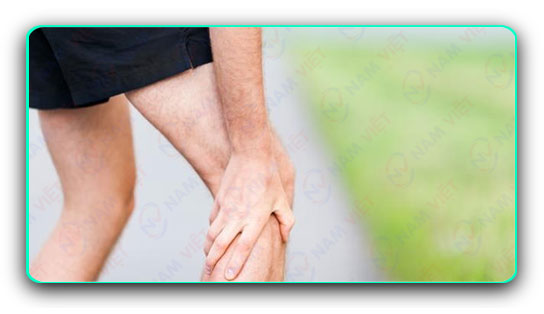
V. How to prevent and mitigate the impact of varicose veins through a healthy lifestyle and preventive measures
Self-care and applying preventive measures can help prevent and mitigate the impact of varicose veins, especially through a healthy lifestyle and simple measures that everyone can integrate into their daily lives.
1. Regular Physical Activity: Gentle daily exercise is a great way to improve blood circulation and reduce pressure on the legs. This can include walking, cycling, or even yoga. Regularity in exercise helps maintain both physical and mental health.
2. Maintain a Healthy Weight: Being overweight and obese increases pressure on the legs and increases the risk of varicose veins. Maintaining a stable weight through a healthy diet and active lifestyle is an important method to reduce the risk and impact of the disease.
3. Avoid Habits That Cause Pressure: It is important to avoid habits that can increase pressure on the legs. This includes reducing the use of high heels, not sitting in one place for too long, and changing positions when working.
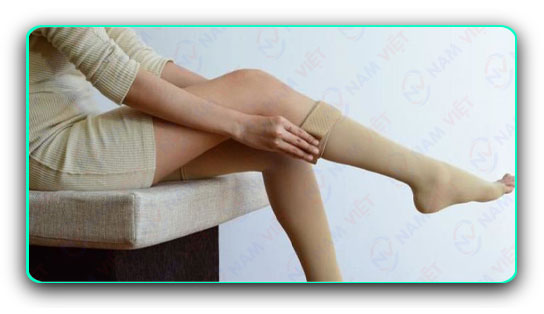
4. Use Compression Stockings: Compression stockings can help improve blood circulation and reduce pressure on the legs. In particular, people who have to stand or sit for long periods can benefit greatly from using compression stockings to help blood circulate effectively.
5. Regular Check-ups and Medical Advice: Regularly checking the condition of the legs and consulting with a doctor about preventive measures is extremely important. This helps in early detection of signs of varicose veins and the application of timely preventive measures.
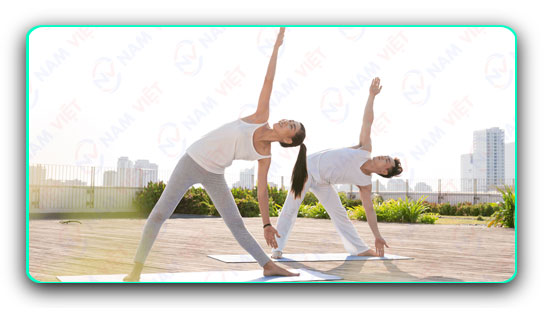
VI. Treatment and support methods, including the use of compression stockings and simple methods like exercise
For people with varicose veins, there are many treatment and support methods they can integrate into their daily lives, from using compression stockings to performing simple exercises.
1. Use Compression Stockings: Compression stockings are not just a means to keep warm, but also a useful tool in treating varicose veins. These stockings apply gentle pressure on the legs, helping to improve blood circulation and reduce leg swelling. Patients can choose the type of compression stocking suitable for their level of varicose veins, from long to short stockings.
2. Regular Exercise: Exercise can help improve vein health and reduce pressure on the legs. Activities such as brisk walking, cycling, or simply regular daily exercise can all help maintain the flexibility and mobility of the legs, while also supporting blood circulation.
3. Improve Diet: A diet rich in fiber and water can help control weight and maintain the health of blood vessels. Reducing the intensity of salt in the diet can also reduce leg swelling and reduce pressure on the veins.
4. Elevate the Legs: When lying down or sitting, elevating the legs can help improve blood circulation and reduce pressure on the vein valves. This can be done by placing a pillow under the legs when lying down or using a tall chair when sitting.
5. Support from a Doctor: For more severe cases, a doctor may suggest other treatment methods such as medication, compression therapy, or even surgery. Support and advice from a medical professional are important for choosing the most appropriate treatment method for the patient’s specific condition.
Combining these methods can create a comprehensive strategy to control and mitigate the impact of varicose veins, helping patients maintain a healthy and positive life.
VII. The role of the doctor in diagnosing and treating varicose veins
The role of the doctor is important not only in correctly diagnosing varicose veins but also in creating an effective treatment plan and supporting the patient in the process of coping with this condition.
1. Accurate Diagnosis: The doctor plays an important role in making a correct diagnosis of varicose veins by carefully listening to the patient’s symptoms and performing specialized tests such as Doppler ultrasound, imaging tests, and clinical evaluation.
2. Creating a Specific Treatment Plan: Based on the diagnosis, the doctor will create a personalized treatment plan for each patient. This may include prescribing medication, recommending lifestyle changes, or even deciding on surgical treatment methods if necessary.
3. Guidance and Psychological Support: The doctor is not only a physical healer but also plays an important role in providing psychological support to the patient. They can explain the condition in detail, the treatment options, and the expected outcomes to help the patient understand better and actively participate in the treatment process.
4. Monitoring and Adjusting the Plan: The doctor will monitor the treatment process, evaluate the patient’s response, and adjust the plan over time. This ensures that the patient receives the best care and the treatment plan is optimized according to their specific health situation.
5. Education on Prevention and Health Maintenance: In addition to treatment, the doctor has a responsibility to educate the patient about preventive measures and health maintenance to prevent recurrence and keep the varicose vein condition stable. This may include lifestyle changes, regular exercise, and using support devices like compression stockings.
An Toan Nam Viet – a leading unit in providing occupational safety training and workplace environmental monitoring services. We are proud to be a trusted partner for businesses, helping ensure a safe working environment and protecting workers' health.With extensive experience and a team of top experts, we are committed to delivering high-quality services while meeting all regulatory requirements on occupational safety and environmental monitoring.
Our occupational safety training services include educating and raising awareness among employees about safety regulations, equipping them with skills to handle dangerous situations, and implementing accident prevention measures. We continuously update and apply the latest knowledge to ensure your employees always work in a safe environment, minimizing the risk of occupational accidents and protecting their lives.
With our workplace environmental monitoring services, we use the most advanced equipment and methods to measure, monitor, and analyze the quality of air, water, and noise in the working environment. We provide detailed and accurate reports on pollution levels, helping businesses implement solutions to improve working conditions, ensure legal compliance, and create a healthy workplace for employees.
Contact Information:
- Nam Viet Occupational Safety Training and Environmental Monitoring Co., Ltd.
- Phone: 0908 111 791
- Email: lienhe@en.antoannamviet.com
- Website: https://en.antoannamviet.com