
Health
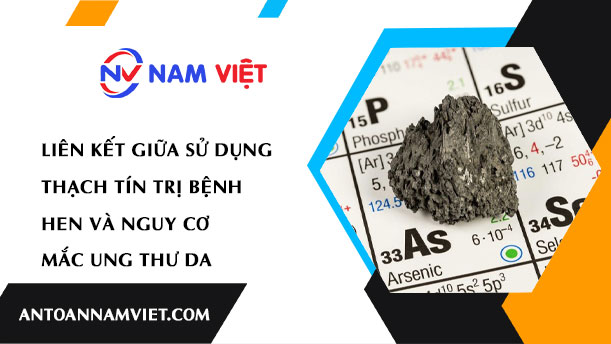
The Link Between Arsenic Use in Asthma Treatment and the Risk of Skin Cancer
Dec
In the journey of exploring health, this article will take you through a new depth regarding the link between the use of arsenic in treating asthma and the risk of developing skin cancer. Interesting findings and the latest research will be revealed, uncovering unexpected aspects of arsenic and its impact on health. Let us immerse ourselves in the world of science and health to better understand how to care for ourselves comprehensively.
I. The Mystery of Skin Cancer from Arsenic
Arsenic, a substance long used in the treatment of asthma and psoriasis, is now emerging as a potential risk factor causing particularly severe cases of skin cancer. For individuals with long-term exposure to arsenic, the appearance of hyperkeratotic spots and reddish-brown patches on the skin are not just signs of surface health but also manifestations of a lurking danger. This unveils the mystery surrounding the link between arsenic and the development of skin cancer, challenging our understanding of the causes and prevention of this disease.
Dr. Nguyen Huu Quang, Deputy Head of the Department of Plastic and Reconstructive Surgery and Rehabilitation at the National Hospital of Dermatology and Venereology, has provided crucial information regarding the risk of skin cancer due to arsenic. He emphasized that many people use arsenic without adequate knowledge of the substance, and the lack of strict management in the use of this hazardous material. This raises significant questions about the impact of arsenic on public health and the measures needed to address this risk.

II. The Patient’s History of Using Arsenic to Treat Asthma and Highlighting the Potential Risk
Arsenic, a toxic substance long used by people to treat various conditions, particularly asthma, is noteworthy for the increasing number of skin cancer cases directly linked to its use. During asthma treatment, patients often do not realize the potential risks this substance poses to their health.
Many people use arsenic for asthma treatment without sufficient knowledge about this hazardous substance. In the past, arsenic was considered an effective method to alleviate asthma symptoms, but today, the potential risks of using this substance have become clearer.
Let’s look back at the history of using arsenic in asthma treatment while simultaneously raising questions about the potential risks this substance carries. We need to recognize the importance of carefully considering the safety and efficacy of traditional treatment methods and seeking safer alternatives for public health.

III. Diagnosis and Confirmation of the Link Between Arsenic Use and Squamous Cell Carcinoma
The risk of developing squamous cell carcinoma becomes increasingly concerning when linked to arsenic use. To diagnose and confirm this connection, health professionals have conducted research and analyzed patient cases, identifying specific signs and symptoms.
Diagnosing squamous cell carcinoma in individuals with a history of arsenic use requires careful observation and accurate diagnostic methods.
Signs such as hyperkeratotic spots, reddish-brown patches, and scattered hyperkeratotic papules on exposed skin areas are often early manifestations of the link between arsenic use and skin cancer. Diagnostic imaging techniques and tissue biopsies help confirm the severity of the condition and assist in deciding on treatment methods.
We need to better understand the process of diagnosing and confirming the link between arsenic use and squamous cell carcinoma to detect and intervene promptly, while also increasing awareness of this risk within the community.

IV. Cancer Removal Surgery, Along with the Patient’s Current Health Status
After being diagnosed with squamous cell carcinoma related to arsenic use, the patient underwent surgery to remove the cancerous cells threatening their health. Dr. Nguyen Huu Quang, Deputy Head of the Department of Plastic and Reconstructive Surgery and Rehabilitation at the National Hospital of Dermatology and Venereology, provided information on the patient’s current health status and important aspects following the surgery.
According to Dr. Quang, after the cancer removal surgery, the patient’s health has stabilized and shows positive signs. However, the recovery process involves not only the physical aspect but also the psychological one. The patient requires close support and monitoring to ensure stability and positivity during the post-operative recovery period.
This article will provide an in-depth look at the cancer removal surgery process and the patient’s current health situation. We will gain a better understanding of the challenges and prospects in treating arsenic-related squamous cell carcinoma, while emphasizing the importance of comprehensive support for the patient during recovery.

V. The Patient’s Condition and Similar Cases Encountered in the Hospital
Exploring the patient’s condition after surgery to remove arsenic-related squamous cell carcinoma serves as a stark warning about the link between hazardous substance use and the risk of serious medical conditions. This article will provide an overview of the patient’s health status post-treatment, while also examining similar cases encountered by the hospital.
From the information provided by Dr. Nguyen Huu Quang, we will assess the patient’s recovery situation after surgery and the specific support measures they have received. Overall, controlling and managing the link between arsenic and squamous cell carcinoma becomes extremely important in the context of patients with a history of using this substance.
By studying other similar cases within the hospital, we can gain a more comprehensive view of arsenic’s impact on public health. This can help identify trends and risks, thereby formulating effective prevention and intervention methods to protect the health of those exposed to this hazardous substance.

VI. Latest Research and Information on the Link Between Arsenic and Skin Cancer, Emphasizing Notable Findings
Recent studies on the link between arsenic and skin cancer have yielded important findings, expanding our understanding of the risks and impacts of this hazardous substance on skin health. Dr. Nguyen Huu Quang, a leading expert at the National Hospital of Dermatology and Venereology, shared the latest information, focusing on notable points that require attention.
These notable findings include early signs and symptoms of arsenic-related squamous cell carcinoma. Research has also posed new challenges and opportunities in diagnosing, treating, and preventing this condition. By focusing on the latest information and analyzing key findings, we can raise awareness and implement necessary preventive measures to protect public health from the potential risks associated with arsenic use.

VII. Warning the Community About Arsenic Use and Preventing Skin Cancer
Arsenic, a substance long used in various medical applications, especially asthma treatment, is becoming a significant risk to skin health and is linked to an increased risk of skin cancer. This article emphasizes the importance of warning the community about the dangers of using arsenic and proposes crucial preventive measures to minimize this risk.
Through the expert insights of Dr. Nguyen Huu Quang, a specialist in plastic and reconstructive surgery and rehabilitation at the National Hospital of Dermatology and Venereology, we will discuss the negative impacts of arsenic and the opportunities for the community to make informed decisions about using this substance.
The article will provide detailed information on pre-cancerous manifestations related to arsenic, while guiding the community on how to recognize and avoid the harmful effects of this toxic substance. Concurrently, we will suggest smart and safe preventive measures to protect public health from the potential risks associated with arsenic use.

An Toan Nam Viet – a leading unit in providing occupational safety training and workplace environmental monitoring services. We are proud to be a trusted partner for businesses, helping ensure a safe working environment and protecting workers' health.With extensive experience and a team of top experts, we are committed to delivering high-quality services while meeting all regulatory requirements on occupational safety and environmental monitoring.
Our occupational safety training services include educating and raising awareness among employees about safety regulations, equipping them with skills to handle dangerous situations, and implementing accident prevention measures. We continuously update and apply the latest knowledge to ensure your employees always work in a safe environment, minimizing the risk of occupational accidents and protecting their lives.
With our workplace environmental monitoring services, we use the most advanced equipment and methods to measure, monitor, and analyze the quality of air, water, and noise in the working environment. We provide detailed and accurate reports on pollution levels, helping businesses implement solutions to improve working conditions, ensure legal compliance, and create a healthy workplace for employees.
Contact Information:
- Nam Viet Occupational Safety Training and Environmental Monitoring Co., Ltd.
- Phone: 0908 111 791
- Email: lienhe@en.antoannamviet.com
- Website: https://en.antoannamviet.com