
Safe learning method
The Law on Occupational Safety and Health ensures safety for workers.

Aug
In modern life, workers play an important role and make significant contributions to the development and prosperity of a nation. To protect the lives and health of those who are working, the Occupational Safety and Hygiene Law in Vietnam has emerged as a major breakthrough, aiming to ensure safety for workers and safeguard their rights.
In the article below, we will provide knowledge related to the Occupational Safety and Hygiene Law along with relevant information on this topic.
I. Introduction to the Occupational Safety and Hygiene Law
Occupational safety and hygiene is one of the top priorities in Vietnam. Statistics from the World Health Organization (WHO) show that hundreds of occupational accidents occur annually in Vietnam, causing severe human and property losses. This has driven the government to strictly enact and enforce the Occupational Safety and Hygiene Law in order to ensure the safety of workers and the community during work. So, what is occupational safety and hygiene?
Occupational safety and hygiene is one of the most urgent and important issues in Vietnam’s economic and social development. Ensuring worker safety is not only the responsibility of the government and regulatory agencies but also of every business and individual. To achieve this goal, the Occupational Safety and Hygiene Law was passed with the purpose of guaranteeing safety for workers and the community in the workplace.
It aims to create a safe and healthy working environment, reduce the risk of accidents and occupational diseases, protect workers’ lives and health, and at the same time improve work efficiency.

II. The Importance of the Occupational Safety and Hygiene Law
The Occupational Safety and Hygiene Law plays a crucial role in ensuring worker safety and also contributes to national development.
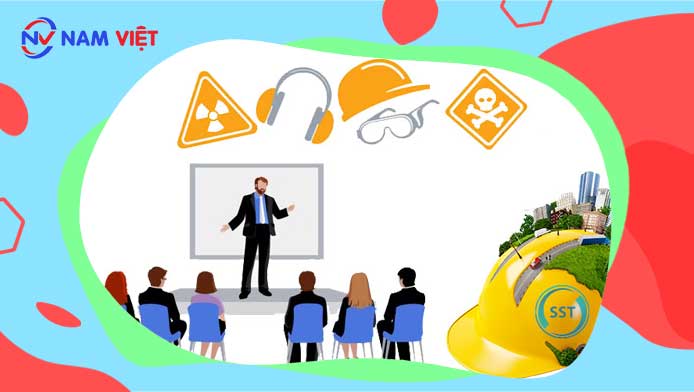
It encourages businesses and organizations to strengthen training and raise awareness about occupational safety and hygiene. This helps create a safe and efficient working environment, enabling workers to perform at their best and contribute positively to the country’s overall development.
The Occupational Safety and Hygiene Law in Vietnam is considered a major milestone, demonstrating the government’s care and attention to protecting workers and building a safe working environment. It not only protects the lives and health of workers but also contributes to the stability and sustainability of the nation’s economy and society. You may refer to detailed information about occupational safety training content in accordance with Decree 44.
III. Contents and Regulations of the Occupational Safety and Hygiene Law
The Occupational Safety and Hygiene Law in Vietnam is an important legal document designed to ensure the lives, health, and safety of workers. The law is structured with detailed content and regulations that meet international labor safety standards and establish a safe working environment.
1. Contents of the Occupational Safety and Hygiene Law
Key contents of the Occupational Safety and Hygiene Law include:
- General provisions: The law provides objectives, principles, scope of application, and responsibilities of parties involved in occupational safety and hygiene protection.
- Rights and obligations of workers: Ensuring workers’ rights and obligations in protecting and safeguarding their own health.
- Rights and obligations of employers: Responsibilities and duties of employers in ensuring safety and hygiene for workers at the workplace.
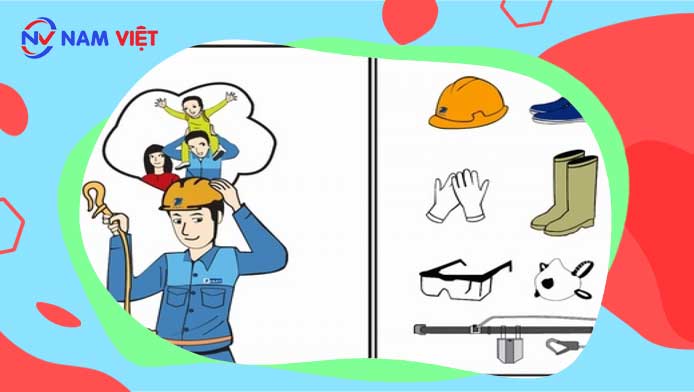
- Safety protection measures and regulations: Measures and regulations such as providing protective equipment, organizing safety training, and handling risks and hazards during work.
- Supervision and enforcement: Mechanisms for monitoring and enforcing compliance by employers and workers.
2. Regulations and priorities for specific industries
The Occupational Safety and Hygiene Law gives priority to industries with a high risk of occupational accidents and diseases. These sectors include manufacturing, construction, mining, mechanics, electricity, and chemicals — all categorized as Group 3 safety occupations. Job positions within this group require strict compliance with safety regulations, as detailed in Circular 06/2020/TT-BLĐTBXH and jobs involving machinery and equipment requiring strict safety compliance are detailed in Circular 36/2019/TT-BLĐTBXH issued by the Ministry of Labour – Invalids and Social Affairs. Workers in this group must undergo training and be issued a Group 3 safety card valid for 2 years.
Additionally, depending on the specific training group for occupational safety and hygiene, workers will be issued a corresponding safety certificate.
According to research by the Center for Research and Application of Occupational Safety Engineering, workplace accidents and occupational diseases have significantly decreased in high-risk industries. Businesses must strictly implement safety measures and create safe working environments for their workers.

IV. Mechanisms for Monitoring and Enforcing the Occupational Safety and Hygiene Law
The Occupational Safety and Hygiene Law plays an important role in safeguarding the lives and health of workers. To ensure effective implementation, strict monitoring and enforcement must be carried out in accordance with regulations.
- Strict monitoring between authorities and businesses: Monitoring is crucial to ensuring compliance with the Occupational Safety and Hygiene Law. Relevant authorities such as the Ministry of Labour – Invalids and Social Affairs, the Ministry of Health, the Ministry of Industry and Trade, and others play a key role in inspecting and evaluating workplace compliance. According to research by the Institute for Labour and Social Sciences, the number of inspections has increased significantly since the law was enacted. In 2022, more than 15,000 occupational safety inspections were conducted nationwide, an increase of 20% from the previous year. This demonstrates the government’s commitment to protecting workers and building safe workplaces.
- Punishment and handling of violations: To ensure effectiveness, strict penalties are applied to businesses that violate the law, ranging from fines to revocation of operating licenses. According to data from the Directorate for Standards, Metrology and Quality, more than 200 businesses were fined in 2022 for violating occupational safety regulations, of which 35% were serious violations posing direct risks to workers.
- Support and training in occupational safety and hygiene: Businesses must build detailed plans for their occupational safety training programs and choose reputable training centers. According to research from the Center for Career Skills Development, occupational safety training has shown positive progress, with around 90% of workers receiving training and about 80% feeling more confident and secure at work.

V. Effectiveness of the Occupational Safety and Hygiene Law
The law has created safer working environments, reduced accident risks and occupational diseases, improved efficiency, and strengthened business sustainability.
- Reduced occupational accidents and diseases: According to the Ministry of Labour – Invalids and Social Affairs, after the law came into effect, cases of occupational accidents and occupational diseases significantly decreased. Strict safety measures help reduce unnecessary risks and accidents.
- Improved worker health and quality of life: Businesses should enhance health care and safety conditions to minimize occupational disease risks.
- Increased work performance and productivity: Safer working conditions allow workers to focus better on their tasks, improving productivity.
- Enhanced national reputation and foreign investment: A safe working environment helps attract international investors and fosters a reliable and sustainable business climate.
The number of occupational accidents and diseases has significantly decreased thanks to proper enforcement of the Occupational Safety and Hygiene Law. This not only protects workers’ lives and health but also improves work performance, increases productivity, and reduces financial losses for businesses. You can refer to detailed information about occupational safety training duration under Decree 44.
VI. Challenges and Solutions
Although significant improvements have been made in creating safer working environments, various challenges remain:
- Strengthening monitoring and enforcement mechanisms to ensure consistent compliance across all workplaces.
- Training and enhancing the capacity of occupational safety supervisors to ensure effective and continuous implementation of safety measures.
Strengthening monitoring and enforcement requires close cooperation between authorities and businesses. Ensuring adequate resources and capabilities for regulatory agencies is a crucial point to consider.

VII. Occupational Safety Training Capacity of An Toàn Nam Việt
An Toàn Nam Việt is a reputable and high-quality occupational safety training center in Vietnam. Training sessions are conducted continuously at production workshops, factories, and construction sites across all 63 provinces of Vietnam.
REGISTER FOR OCCUPATIONAL SAFETY TRAINING SERVICES
Training license for occupational safety
- An Toàn Nam Việt has been inspected and certified by the Department of Occupational Safety of the Ministry of Labour – Invalids and Social Affairs, confirming full eligibility to conduct occupational safety and hygiene training. This further strengthens our expertise in occupational safety training.

Training materials and lectures
- Before safety training materials are used in occupational safety courses, they are reviewed and approved to ensure accuracy and training effectiveness.
- The teaching methods used by instructors follow standardized guidelines developed by An Toàn Nam Việt, based on research and experience from safety training experts to ensure the highest level of knowledge retention for trainees.
Facilities
- Controlling environmental factors in training rooms increases teaching effectiveness and trainees’ learning efficiency.
- Our training facilities always meet standards for room size, lighting, and training equipment.
VI. National Occupational Environment Monitoring Center
The Occupational Environment Monitoring Center of Nam Việt is a professional unit specializing in monitoring and measuring workplace environmental quality across all provinces of Vietnam. With a team of experienced environmental monitoring specialists, the center uses modern equipment to ensure accuracy and reliability.
In addition to monitoring services, the center also assists clients with planning, handling, and monitoring workplace environmental issues. With the motto “customer-centered”, the center always ensures customer satisfaction and delivers the best solutions for businesses.
REGISTER FOR OCCUPATIONAL SAFETY TRAINING SERVICES
With investment in technology, equipment, and human resources, Nam Việt’s monitoring center has become one of the most reputable units in occupational environment monitoring in Ho Chi Minh City, with the following goals:
- We always value brand reputation and service quality.
- We provide clients with the best and most appropriate solutions.
- Our team of experienced Masters and Engineers is dedicated to environmental protection and supporting businesses.
- Working with Nam Việt’s Environmental Monitoring Team, companies receive professional service from field experts along with the best cost advantages.
The occupational environment monitoring process at Nam Việt includes the following basic steps:
- Before conducting monitoring, all equipment is calibrated and adjusted in accordance with legal regulations.
- Monitoring is performed fully and correctly as registered with the Department of Health.
- Monitoring results are truthfully reported to the employer.
- If monitoring results show unsafe conditions for workers, Nam Việt will propose corrective solutions and the workplace must carry out the following:
- Implement measures to improve working conditions to minimize harmful exposure and prevent occupational diseases.
- Organize medical examinations for early detection of occupational diseases and related illnesses for workers in unsafe environments.
- Provide statutory allowances in kind for workers according to labor law.