
Working environment factors
How does methane (CH4) affect workers’ health?

Jun
In the workplace, the air may contain elements that pose potential health risks to workers. One of these is methane – a natural gas that seems harmless but can have unintended effects. From breathing difficulties to the risk of explosions, methane has become a significant concern for the health and safety of those working in environments exposed to it.
Let’s explore in more detail the impact of methane on workers and the preventive measures that need to be applied to ensure a safe and healthy working environment. Along this journey, we will uncover surprising facts about a small gas that can have a huge impact on our lives.
1. What is Methane (CH4)?
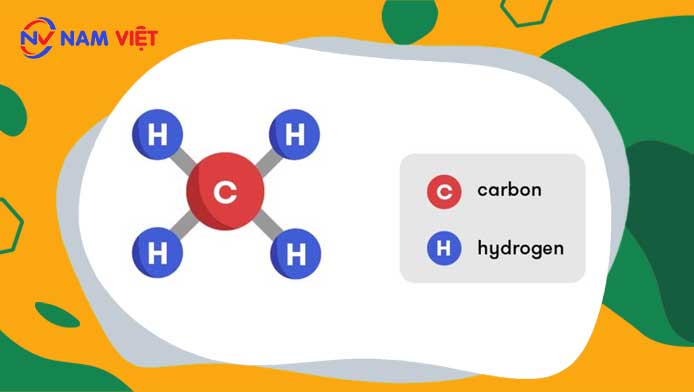
Methane, also known as swamp gas, is represented chemically as CH4.
Methane is a hydrocarbon belonging to the alkane homologous series. It is a major component of petroleum and is abundant in nature.
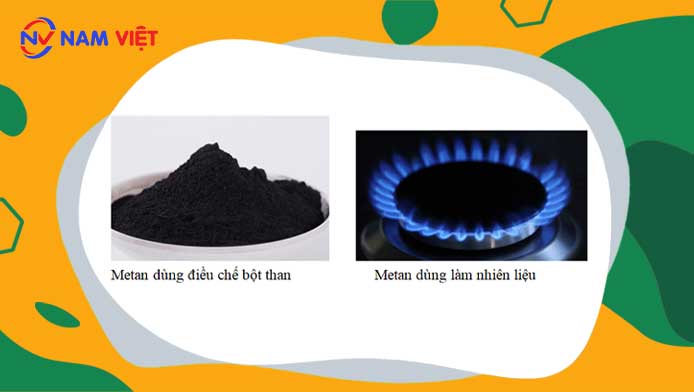
Methane is produced during processing, distillation, or petroleum gas production, in gas cylinders, and other industrial processes.
Methane is colorless, odorless, and tasteless. It is highly flammable and toxic, producing a blue flame when ignited.
2. Sources of CH4 during production processes
Methane (CH4) can be generated from various sources in production and human activities. Common sources include:
- Biodegradation of organic matter in oxygen-deprived environments produces methane. For example, decomposition of organic waste in landfills, national parks, wetlands, and seabeds generates methane gas.
- Methane can also be produced in chemical manufacturing and processing. For example, during synthetic fuel gasification and industrial biodegradation processes, methane may be released as a byproduct.
These methane sources contribute to greenhouse gas emissions and have potential impacts on climate change.
3. Industries where CH4 poses risks to workers
Several industries involve exposure to methane (CH4) that can be hazardous to workers. Key sectors include:
- Oil and gas industry: During extraction, transportation, and processing, methane may leak or be emitted. Workers on oil platforms, drilling areas, and processing plants face potential methane exposure.
- Coal mining: Methane is often present in coal mines and can be released during mining operations. Coal miners and workers in tunneling environments may encounter methane risks.
- Organic waste processing: Methane is generated from decomposition of organic matter. Workers in waste treatment plants, landfills, and wastewater facilities may be exposed to significant methane levels.
- Agriculture: Workers in livestock farming may encounter methane from animal manure.
- Tunneling and underground construction, especially in oxygen-limited environments, can lead to methane accumulation from soil or mined ore.
In these industries, compliance with safety regulations, use of personal protective equipment (PPE), and preventive measures are crucial to protect worker health.

4. How CH4 affects worker comfort
Methane (CH4) can affect worker comfort in the workplace. Potential impacts include:
- Breathing difficulties: Methane is odorless, so workers may not detect high concentrations. Inhaling large amounts can reduce available oxygen, causing breathing difficulties and reducing work efficiency and comfort.
- Fatigue and reduced productivity: Exposure to methane may cause tiredness, drowsiness, and decreased concentration, impacting work performance.
- Psychological discomfort: High methane levels can create unease, stress, and anxiety, lowering quality of life and affecting mental well-being.
- Explosion risk: Methane is flammable and explosive at unsafe concentrations. High methane levels increase the likelihood of workplace accidents and explosions, endangering life and safety.
To ensure worker comfort and safety, reducing methane exposure is essential. This includes effective ventilation systems, compliance with safety regulations, provision of PPE, and preventive measures.
5. Health risks of long-term CH4 exposure
So far, there is no evidence that inhaling or being exposed to methane causes specific diseases.
However, unsafe exposure or incidents can be dangerous. A major risk is fire or explosion. Methane is explosive when its concentration in air is between 5% – 15%. Contact with a flame or spark can lead to explosions and fires.
Additionally, methane contributes to environmental harm. As a greenhouse gas, it increases the greenhouse effect and impacts global climate change.
In summary, under normal conditions, methane exposure does not cause specific diseases. However, exposure in unsafe environments or during accidents can threaten health and the environment.
6. Measures to minimize CH4 impact on worker health
To minimize methane’s effects on worker health, the following measures can be taken:
- Implement effective ventilation systems and exhaust fans to remove methane from the workspace, reducing air concentration and exposure risk.
- Ensure workers use appropriate PPE such as masks, safety glasses, gloves, and protective clothing to prevent inhalation or direct contact.
- Worker training: Train workers on health protection measures in hazardous environments so they can safeguard themselves.
- Follow safety regulations and guidelines issued by authorities regarding work in methane-prone environments. Implement and enforce safety measures strictly.
- Regularly inspect, maintain, and calibrate ventilation and exhaust systems to ensure efficiency and reliability.
- Periodically conduct workplace environmental monitoring in factories to collect and analyze harmful factors, adjusting to reduce hazards and prevent occupational diseases.
Preventive and protective measures, along with strict adherence to safety procedures, are essential to minimize methane’s impact on worker health.
7. National Labor Environment Monitoring Center
Nam Viet Labor Environment Monitoring Center is a professional unit specializing in monitoring and measuring workplace environmental quality across all provinces in Vietnam. With experienced monitoring specialists, the center uses modern equipment to ensure accurate and reliable results.
REGISTER FOR WORKPLACE ENVIRONMENT MONITORING SERVICE
Besides monitoring services, the center assists clients in planning, handling, and tracking workplace environmental issues. With the motto “customer-centric,” the center prioritizes customer satisfaction, meets all needs, and provides the best solutions for businesses.
With investment in technology, equipment, and skilled personnel, Nam Viet’s monitoring center has become a reputable provider of workplace environmental monitoring services in Ho Chi Minh City, with goals including:
- Maintaining the brand reputation and quality of services.
- Providing clients with the best and most suitable solutions.
- Leveraging a team of experienced Masters and Engineers dedicated to environmental protection and business benefits.

- With Nam Viet Environmental Monitoring specialists, your company receives professional service from experts in the field, along with the best cost advantages.
8. Workplace Environment Monitoring Pricing
To help businesses conduct professional and effective workplace environmental monitoring, Nam Viet provides clients with a pricing table for monitoring services that is both quality and cost-effective.
- The pricing table provides detailed information about the costs of monitoring services, including transportation, measurement, analysis, and reporting. Clients can rely on the accuracy and reliability of the results provided.
- We commit to offering competitive and reasonable pricing, and are ready to provide quick and professional consultation on any monitoring service inquiries.
- With Nam Viet’s pricing table, clients can easily choose service packages that suit their needs, ensuring maximum satisfaction with professional service quality.