
Hazard
Diverse risks from factors and impacts

Sep
In our daily lives, we face dangers from many different aspects, including physical, chemical, biological, mechanical, psychological factors, and the impact of the environment. This article will take you on a journey to explore these hazards and how they can affect our everyday lives. Let’s learn about these challenges and how we can deal with them to protect ourselves and the communities around us.
I. Exploring the Diversity of Hazards from Multiple Aspects
Occupational accident risks can arise from machinery and equipment in production environments, weather factors, specific working conditions, or from non-compliance with safety regulations. This diversity requires us to clearly understand the origin and nature of hazards in order to implement effective preventive measures.
Creating a safe working environment requires collaboration between employers and employees through training, inspection, and mastering specific safety rules. At the same time, attention must be given to human and social factors, such as creating fairness and ensuring equal opportunities for participation in risk management.

II. Diving into the World of Dangerous Physical Hazards and Their Impacts
Our surrounding environment contains many physical factors that may cause harm. These include risks from physical agents such as extreme temperatures, pressure, ultraviolet rays, noise, vibration, and many others. These factors may lead to accidents, illnesses, and even fatalities if we do not know how to respond and protect ourselves.
Exploring physical factors requires us to fully understand how they work and how they impact the body and the environment. This also highlights the importance of designing and using personal protective equipment, safe work procedures, and advanced technologies to minimize risks. You can find more detailed information about occupational safety training duration according to Decree 44.
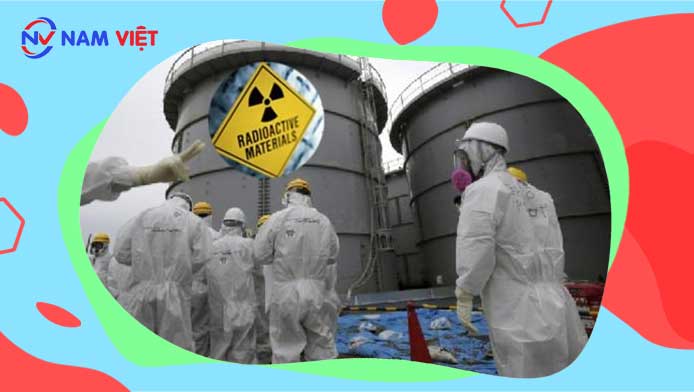
III. Understanding Chemical Threats in Everyday Life
Chemical agents can come from many sources—from petrochemical products and environmental breakdown substances to chemicals used in industries and even consumer products such as food and pharmaceuticals. These agents can cause health problems such as allergies, inflammation, and even serious conditions like cancer.
Learning about dangerous chemicals helps us protect ourselves and the environment. This includes identifying risk sources, using personal protective measures, and participating in the management and safe disposal of hazardous chemicals.
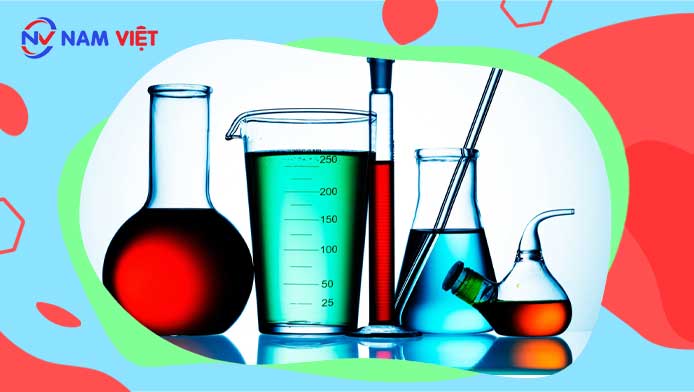
IV. Facing Biological Hazards and Protecting Our Health
Biological risks may include exposure to bacteria, viruses, fungi, and other pathogens. They may originate from natural environments or from contact with others in public spaces. This is especially important in the context of global pandemics like COVID-19.
To deal with biological hazards, we must follow personal hygiene measures and safety regulations such as frequent handwashing, wearing masks, and maintaining social distance. Vaccination and maintaining good general health also play an important role in protection.
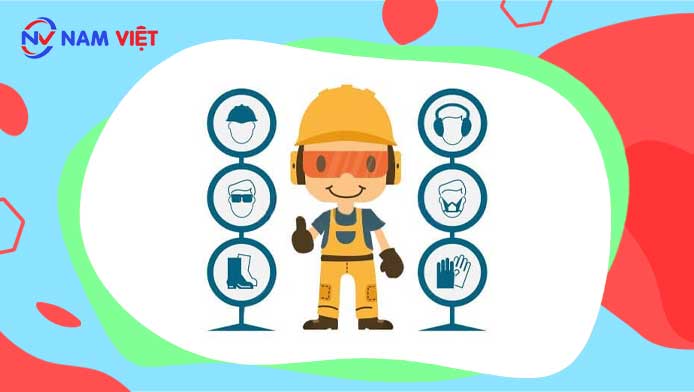
V. The Dangers of Mechanical Hazards and How to Prevent Them
When mechanical hazards arise, we must recognize and understand them to ensure our own safety and the safety of others. Mechanical hazards refer to risks related to movement, pressure, and physical impact on the body, work, or workplace.
To deal with mechanical hazards, we need to:
- Understand equipment and tools: Ensure that you know how to use tools and equipment safely and always follow instructions.
- Wear protective gear: To protect the body from cuts, impacts, or physical harm, always wear appropriate personal protective equipment such as helmets, goggles, gloves, and anti-impact clothing.
- Conduct safety inspections: Ensure that machines and equipment are functioning properly and maintained regularly. Report any malfunctions immediately.
- Follow occupational safety rules: Adhere to regulations and participate fully in occupational safety training sessions provided by your company or organization.
- Avoid dangerous situations: Be cautious when working in high-risk areas and avoid unnecessary hazards.

VI. The Influence of Psychological Factors and How to Cope with Psychological Risks
Pressure and stress from work, personal life, or the work environment may cause psychological strain. This can lead to fatigue, lack of focus, and reduced work performance. Anxiety and depression may also result from psychological risks and affect quality of life and relationships.
To cope with psychological risks, we need to:
- Recognize the signs: Observe your own mood and those around you. If significant mood changes occur, discuss and seek support when needed.
- Create a positive working environment: Businesses and organizations play a key role in creating a stable work environment that encourages personal development.
- Seek support: If psychological pressure becomes overwhelming, seek support from psychologists or counselors.
- Maintain basic health: Balanced diet, regular exercise, and proper sleep can improve mental and overall health.
- Manage time and pressure: Develop time management and stress-handling skills.

VII. Exploring the Impact of the Natural Environment and How We Can Protect the Earth and Ourselves
The natural environment includes air, water, soil, and biodiversity—all facing critical challenges from pollution, climate change, and unsustainable resource exploitation.
Environmental impacts affect our lives in many ways. Air quality can influence the respiratory system and cause health problems. Landslides can cause property loss and endanger lives. Climate change affects agriculture and daily living.
To protect the natural environment and our health, we can:
- Save energy: Use energy efficiently and switch to clean energy sources such as solar and wind.
- Reduce pollution: Use eco-friendly transportation and properly manage waste.
- Protect biodiversity: Support biodiversity conservation efforts.
- Consume sustainably: Choose sustainable products and reduce waste.
- Support environmental organizations: Participate in environment-protection initiatives.
By understanding environmental impacts and applying protective measures, we can safeguard our planet and our future health. You can find more detailed information on occupational safety training content according to Decree 44.

VIII. Occupational Safety Training Capacity of An Toàn Nam Việt
An Toàn Nam Việt is a reputable and high-quality occupational safety training center in Vietnam today. Training sessions are conducted continuously at factories, manufacturing plants, and construction sites across the country (63 provinces and cities nationwide).
REGISTER FOR OCCUPATIONAL SAFETY TRAINING SERVICES
Training License
- An Toàn Nam Việt has been inspected and certified by the Department of Occupational Safety of the Ministry of Labor, War Invalids and Social Affairs for meeting all requirements to conduct occupational safety and hygiene training activities.

Documents and Teaching Materials
- Before occupational safety training materials are used for training courses, they are reviewed and validated to ensure accuracy and effectiveness.
- The teaching method used by instructors is standardized based on An Toàn Nam Việt’s teaching standards, developed from the experience of experts in occupational safety training.
Facilities
- Controlling environmental factors in the classroom improves teaching performance and student learning.
- Training support facilities include spacious classrooms that meet standards for area, lighting, and training equipment.
IX. National Occupational Environment Monitoring Center
The Occupational Environment Monitoring Center of Nam Việt is a professional unit providing monitoring and measurement of workplace environmental quality nationwide. With a team of experienced environmental monitoring specialists, the center uses modern equipment to ensure accuracy and reliability.
REGISTER FOR OCCUPATIONAL ENVIRONMENT MONITORING SERVICES
In addition to monitoring services, the center supports clients with planning, handling, and tracking workplace environmental issues. With the motto “customer-centered”, the center always ensures customer satisfaction and provides optimal solutions for businesses.
With investments in technology, equipment, and human resources, Nam Việt’s monitoring center has become one of the reputable units in workplace environmental monitoring in Ho Chi Minh City with the following goals:
- We value our brand reputation and service quality.
- We provide customers with the best and most suitable solutions.
- With a team of experienced Master’s and Engineering professionals dedicated to protecting the environment and benefiting businesses.
- By choosing Nam Việt’s Monitoring Team, your company will receive professional service from experts in the field, along with the best cost benefits.
The workplace environmental monitoring process at Nam Việt includes the following basic steps:
- Before conducting monitoring, we ensure all equipment is calibrated and adjusted according to legal regulations.
- Implement the monitoring process fully and correctly as committed to the Department of Health.
- Provide honest reporting of monitoring results to employers.
- If the monitoring results indicate unsafe conditions, Nam Việt will provide solutions and the employer will perform the following:
- Implement measures to improve working conditions and minimize harmful factors.
- Organize medical examinations to detect occupational diseases early.
- Provide allowances in kind to employees according to labor regulations.