
Hazard
Risk of harm to workers and consequences

Sep
Under the bright lights, we work comfortably, but behind that lie potential hazards. This article carefully analyzes the serious consequences these risks may pose to workers.
I. Exploring Hidden Hazards in Daily Work Environments
Hazardous situations exist not only in high-risk jobs like construction or heavy industry but also lurk in office work, service jobs, and even remote work environments. This is especially true in the ever-changing landscape of modern technology and work.
Unsafe work environments can lead to both mental and physical health issues. Hidden hazards may include stress, injuries from working under pressure, mental health problems such as psychological stress, and the risk of occupational illnesses due to unsafe work conditions.
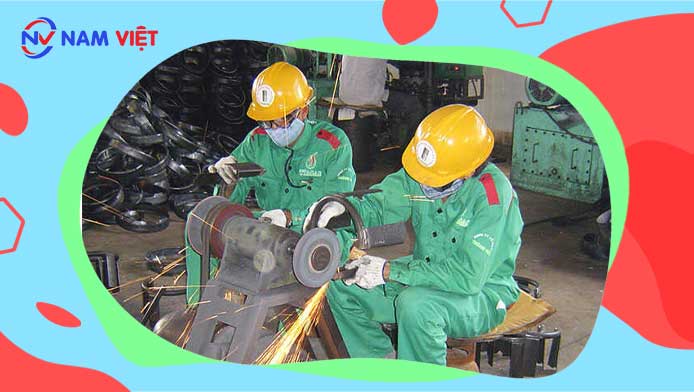
II. Tips to Avoid Sudden Workplace Accidents and Serious Injuries
First, always stay focused on your work and periodically attend occupational safety training. Learn about your work environment and the potential hazards within it. This can help you anticipate and respond when risks arise.
Second, always wear personal protective equipment (PPE) correctly. Make sure all protective gear is in good working condition and safe to use. This includes helmets, reflective vests, and safety glasses.
Finally, be prepared to respond to sudden incidents. Know basic first aid techniques and how to contact emergency services if an accident occurs.
Remember, workplace accidents can affect everyone, so exercise caution and always be prepared. You can find more details on occupational safety training duration according to Decree 44.

III. Assessing the Impact of Chemicals and Protecting Your Health
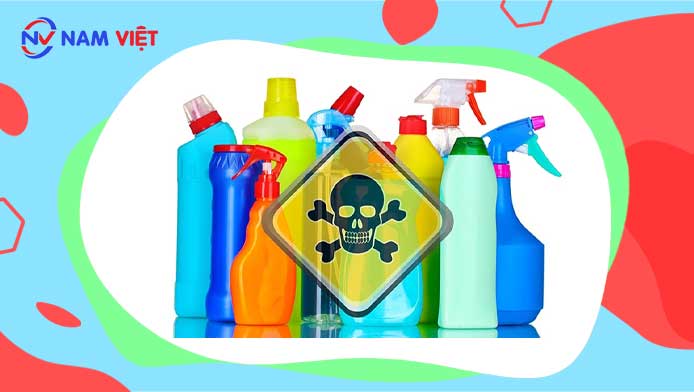
Chemicals are an essential part of many workplaces, from industry to healthcare and beyond. However, improper use or lack of understanding of chemical effects can pose significant health risks. Therefore, assessing chemical impacts and knowing how to protect yourself is crucial.
First, familiarize yourself with the chemicals you are working with and their potential health effects. This includes understanding signs and symptoms of exposure. When in doubt, always refer to manuals and seek expert advice.
Second, always follow safety rules when handling chemicals. This includes wearing PPE such as safety glasses, gloves, and chemical-resistant coats. Ensure comfort and adequate protection while handling chemicals.
Finally, have a plan for emergencies. If an accident or unintended chemical exposure occurs, know how to respond immediately and complete the required reporting procedures.
IV. How to Handle Hazardous Work Environments and Disease Risks
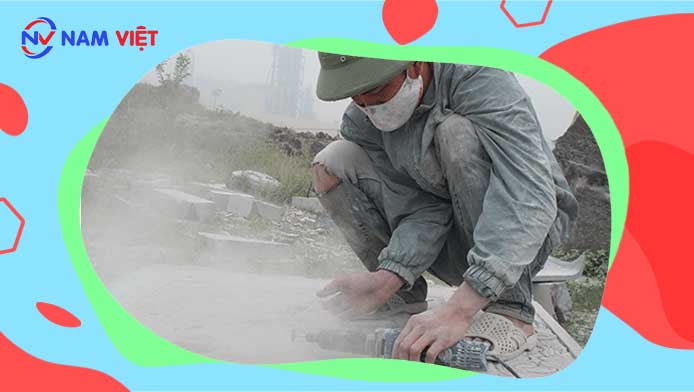
First, understand your work environment. Identify potential hazards such as chemicals, noise, dust, or high temperatures. Risk assessment helps you grasp the situation accurately.
Second, always follow safety rules and wear PPE properly. This may include masks, safety glasses, chemical-resistant coats, or any other protective equipment necessary to minimize exposure to hazardous elements.
Finally, monitor your health regularly and attend routine medical check-ups to track your condition. Report any symptoms or health concerns related to your work environment to your manager and seek professional medical support if needed.
Handling hazardous work environments and disease risks requires vigilance and proactive measures from both employees and the company. By following safety measures and monitoring your health, you can work safely and protect your well-being in challenging conditions. You can find more details on occupational safety training content according to Decree 44.
V. Ensuring Safe Work with Industrial Equipment
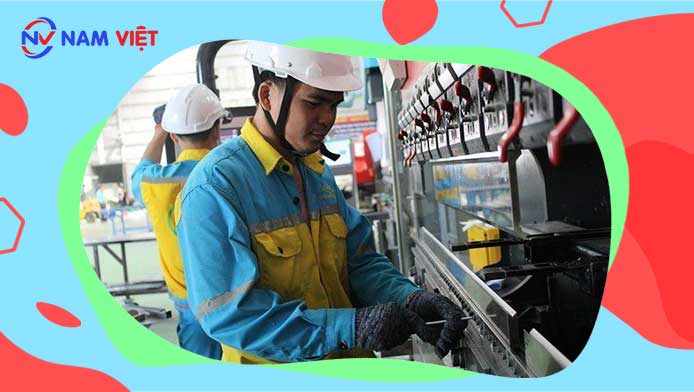
First, ensure all machinery and equipment are regularly inspected and maintained. This includes checks, lubrication, and replacing worn or damaged parts. Follow maintenance schedules recommended by manufacturers or technical experts.
Second, train staff on safe use of machinery and equipment. This ensures they understand potential hazards, know how to check safety before use, and operate correctly.
Provide adequate PPE and ensure it is used properly while working with machinery. This includes helmets, safety glasses, gloves, chemical-resistant coats, and any other appropriate protection.
Finally, establish safety procedures and foster a safety-aware work environment. Regularly review and update safety rules, ensure everyone is trained for emergencies, and know how to report safety issues promptly.
VI. Understanding Outdoor Work Risks and Heat Exposure
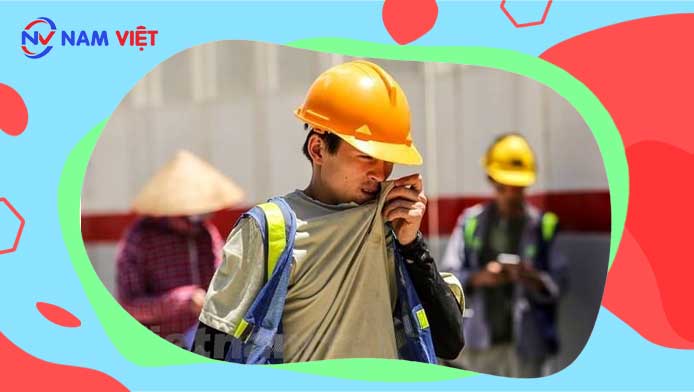
One major risk of outdoor work is heat and high temperatures. Excessive heat can lead to heat stress, where the body cannot cool itself properly, risking serious health issues like heat stroke or even death. To cope, stay hydrated, wear hats, and seek ways to stay cool.
Additionally, outdoor work raises concerns about skin damage and UV exposure. Sunlight can harm skin, cause burns, and lead to long-term health issues like skin cancer. Use sunscreen, wear long clothing, and minimize direct sun exposure during peak hours.
Lastly, monitor weather conditions. Rain, storms, lightning, and cold can pose hazards. Always follow forecasts and safety guidelines during extreme conditions.
VII. Importance of Mental Health and Well-Being in Worker Protection
Work stress arises from various sources, including job pressure, long hours, conflicts with colleagues, or safety concerns. Stress affects mental health and can lead to long-term health issues such as prediabetes, heart disease, and increased accident risk.
To manage stress, employees must understand their mental state and know how to cope. This may include setting work limits, taking regular breaks, and seeking psychological support if needed. A supportive work environment is key to reducing stress.
Healthy mental state and effective stress management improve well-being, enhance performance, and reduce workplace accident risk.

VIII. Occupational Safety Training Capabilities of An Toàn Nam Việt
An Toàn Nam Việt is a reputable occupational safety training center in Vietnam. Training sessions are held continuously at production workshops, factories, or construction sites nationwide (63 provinces).
REGISTER FOR OCCUPATIONAL SAFETY TRAINING
Occupational Safety License
- An Toàn Nam Việt has been inspected and certified by the Department of Occupational Safety under the Ministry of Labor – Invalids and Social Affairs, confirming our qualification to conduct occupational safety and hygiene training. This reinforces our capability in occupational safety training.

Materials and Lectures
- Training materials for ATLĐ courses are reviewed to ensure content accuracy and practical effectiveness.
- Instructor teaching methods follow An Toàn Nam Việt standards, developed by experts in occupational safety and hygiene training to maximize knowledge retention for trainees.
Facilities
- Controlling classroom factors improves teaching performance and student learning efficiency.
- Our training facilities provide spacious classrooms with standard area, lighting, and training equipment.
IX. National Occupational Environment Monitoring Center
Nam Viet Occupational Environment Monitoring Center is a professional unit for monitoring and measuring workplace environmental quality across all provinces of Vietnam. With experienced monitoring specialists, the center uses modern equi