
Hazard
Chemical hazards from exposure to toxic substances at work

Sep
In daily life, we often come into contact with chemical compounds without realizing the potential dangers. This article will take you into the world of harmful and allergenic substances that you may encounter in the workplace. We will explore potential risks, how to identify them, and more importantly, how to protect your health when facing these hazards.
I. Introduction to the Importance of Understanding Chemical Hazards in the Workplace
In the workplace, understanding and managing chemical hazards is an essential part of ensuring safety and health for workers. Harmful compounds can exist in many industries—from manufacturing and construction to services—and they can pose significant health risks. Therefore, exploring the world of hazardous substances and understanding them is extremely important.
To ensure a safe working environment, a series of preventive measures must be taken. Inspecting machinery and equipment before use, establishing safety plans and procedures, using personal protective equipment, and attending safety training courses are all essential steps. In particular, educating and informing workers about workplace accidents and chemical hazards can help them understand the necessary knowledge to protect themselves and colleagues from harmful elements.
II. Sources of Health Threats
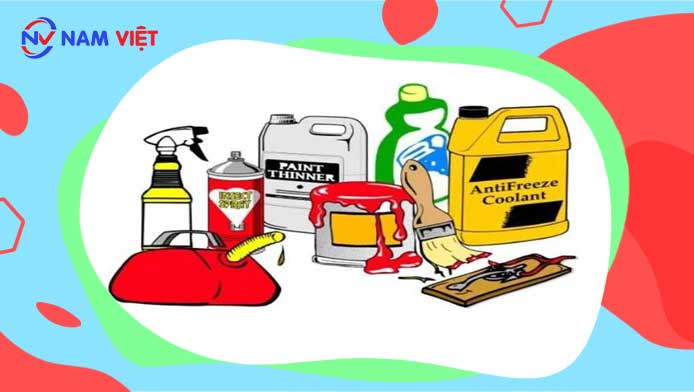
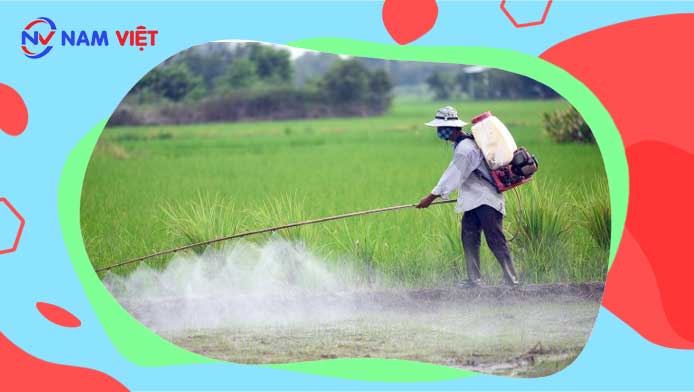
Toxic substances are a significant source of health risks that must not be underestimated in the workplace. These harmful compounds can exist across various industries—from chemicals in manufacturing to dust in construction and bacteria in healthcare. The health risks to workers are extremely high when they are exposed to these substances without specific preventive and control measures.
Toxic substances can cause numerous health problems, ranging from pneumonia and respiratory issues to serious illnesses such as cancer and cardiovascular disease. These risks not only affect workers but can also spread to families and communities if proper prevention and control measures are not implemented.
III. When the Body Does Not Accept
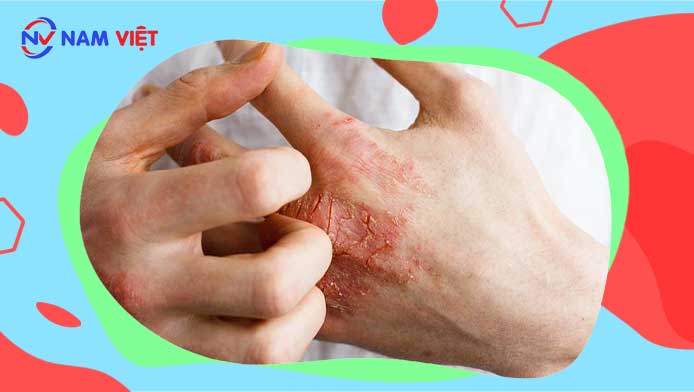
Allergic reactions occur when the body responds undesirably to a particular substance, compound, or situation. This may be an abnormal immune response when the body perceives something as a threat and reacts with unusual symptoms.
Allergies can occur from a variety of substances, including foods, chemicals, pollen, dust, and many other factors. Symptoms may include itching, swelling, redness, hives, or even severe reactions such as angioedema or anaphylaxis.
Allergies can be a major issue in the workplace, especially for individuals exposed to industrial chemicals or allergenic substances. This can affect the health and performance of workers, particularly when working in environments with potential allergen risks. You can find more details about occupational safety training content according to Decree 44.
IV. Warning Signs
Warning signs can appear in many aspects of the workplace, including:
- Physical signs: Observable or perceivable indicators such as toxic odors, loud noises, bright lights, or high temperatures.
- Behavioral signs: Unusual worker or colleague behavior may signal health issues or hazardous working conditions.
- Equipment and tool signs: Malfunctions or breakdowns in machinery and equipment can indicate potential risks. Outdated or inefficient equipment may cause accidents.
- Personal medical signs: Monitoring one’s health is crucial. Any signs of fatigue, weakness, or unusual symptoms should be reported and addressed.
- Environmental signs: Changes in temperature, pressure, or chemicals can produce signs such as changes in color or odor.
V. Necessary Safety Measures
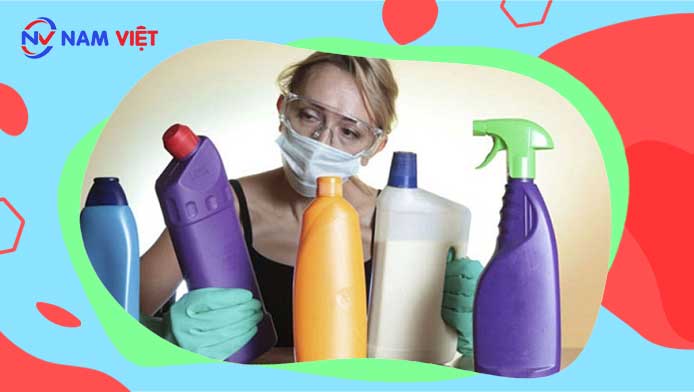
To protect workers’ health and reduce the risk of harmful effects in the workplace, a series of safety measures must be applied. These actions and rules help organizations and individuals create a safer working environment.
- Ensure inspection and maintenance of equipment: Machinery, tools, and working equipment must be regularly inspected to ensure proper operation.
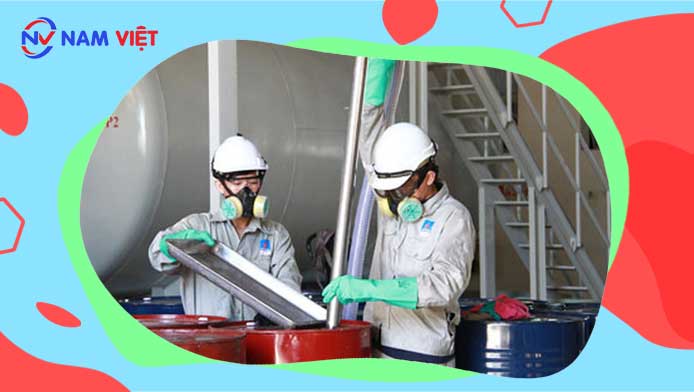
- Use personal protective equipment (PPE): Workers must be equipped with helmets, safety glasses, protective clothing, and appropriate safety shoes.
- Follow safety rules: Workers should strictly comply with safety procedures, including proper use of equipment and chemicals.
- Training and education: Workers must be trained in occupational safety and hazard prevention.
- Workplace environment assessment: Regular assessments must be conducted to identify and mitigate risks such as chemicals, noise, bright light, and temperature.
VI. Workers’ Rights
Optimizing the working environment is an important right of workers, guaranteed by labor laws and related regulations. This includes ensuring a safe and healthy working environment to prevent chemical, physical, and biological risks.
- The right to know and receive training: Workers have the right to be informed about chemical hazards and receive training on how to handle them.
- The right to participate in decision-making: Workers may participate in decisions regarding occupational safety and hygiene.
- The right to report incidents and refuse unsafe work: Workers may report hazards and unsafe situations without fear of punishment.
- The right to inspect and supervise: Workers may inspect the workplace and ensure safety measures are being implemented.
Workers must not be punished or treated unfairly for participating in occupational safety activities. You can find more information about occupational safety training duration under Decree 44.
VII. Summary of Key Points and Resources for Further Study
Summary of Key Points:
- Chemical Hazards: Understanding, identifying, and evaluating chemical hazards in the workplace.
- Physical and Biological Hazards: Understanding additional risk factors and responding appropriately.
- Warning Signs: Recognizing early signs of hazardous exposure.
- Safety Measures: Applying equipment inspections, safety plans, and PPE.
- Workers’ Rights: Training, participation, reporting, and inspections.
VIII. Occupational Safety Training Competency of An Toàn Nam Việt
An Toàn Nam Việt is a reputable and high-quality occupational safety training center in Vietnam. Training sessions are continuously conducted at factories, plants, or construction sites across the country (63 provinces).
REGISTER FOR OCCUPATIONAL SAFETY TRAINING SERVICE
Training License
- An Toàn Nam Việt has been inspected and certified by the Occupational Safety Department of the Ministry of Labor, Invalids and Social Affairs as meeting all conditions for conducting occupational safety and hygiene training.

Training Materials and Lessons
- Before the training materials are used in occupational safety training courses, they undergo review and approval to ensure accuracy and effectiveness.
- Teaching methods are standardized according to An Toàn Nam Việt’s system, developed by safety training experts to maximize learner comprehension.
Facilities
- Controlling classroom conditions enhances teaching quality and learning outcomes.
- Training facility equipment includes spacious rooms meeting standards for space, lighting, and training devices.
IX. Nationwide Occupational Environment Monitoring Center
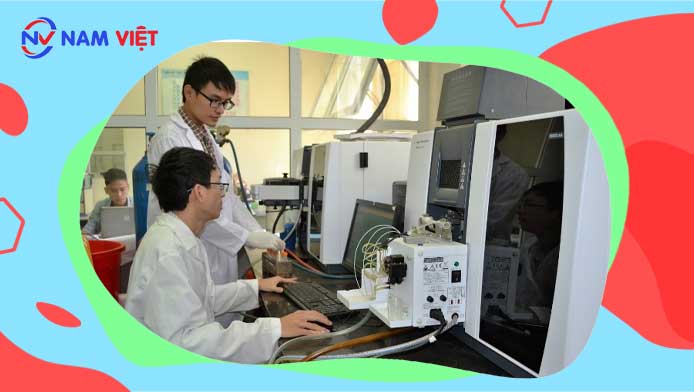
The Occupational Environment Monitoring Center of Nam Việt is a professional unit specializing in monitoring and measuring workplace environmental quality nationwide. With an experienced team of environmental monitoring specialists, the center uses modern equipment to ensure accuracy and reliability.
REGISTER FOR OCCUPATIONAL ENVIRONMENT MONITORING SERVICE
In addition to monitoring services, the center supports clients in planning, handling, and monitoring workplace environmental issues. With the motto “customer first,” the center strives to deliver satisfaction and optimal solutions for businesses.
With strong investment in technology, equipment, and human resources, Nam Việt’s monitoring center has become a leading unit in occupational environment monitoring in Ho Chi Minh City.
- We value brand reputation and service quality.
- We provide the best and most suitable solutions for clients.
- Our team of experienced masters and engineers is dedicated to protecting the environment and supporting businesses.
- Partnering with Nam Việt’s monitoring team ensures professional service and cost benefits.
The occupational environment monitoring process includes:
- Ensuring all monitoring equipment is calibrated and certified according to legal requirements.
- Strictly following the monitoring procedures committed to the Department of Health.
- Providing accurate and honest monitoring results to employers.
- If monitoring results show unsafe conditions:
- Implement workplace improvement measures to reduce harmful exposures.
- Organize health checks to detect occupational diseases early.
- Provide nutritional supplements to workers as required by labor laws.