
Agriculture
Occupational Hazards and Prevention Methods in Agriculture

Jan
Explore the challenging world of agricultural workers through the article “Labor Risks and Prevention Methods in Agriculture”. Facing the risk of accidents daily, we will learn about the factors affecting health and the most effective solutions to minimize risks. At the same time, the article also emphasizes the important role of education, community solidarity, and technological innovations in the journey of building a safe and sustainable agricultural work environment.
I. Toxic risks that agricultural workers face daily
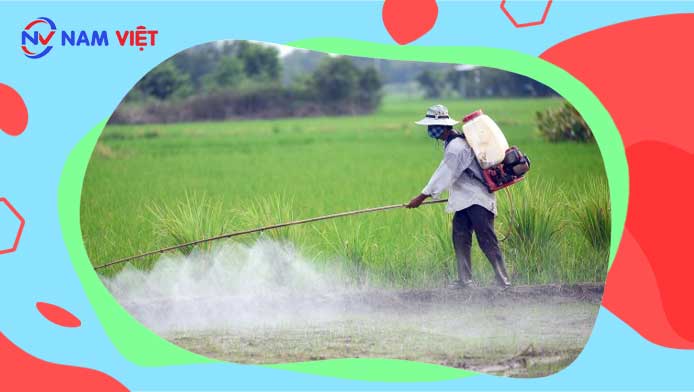
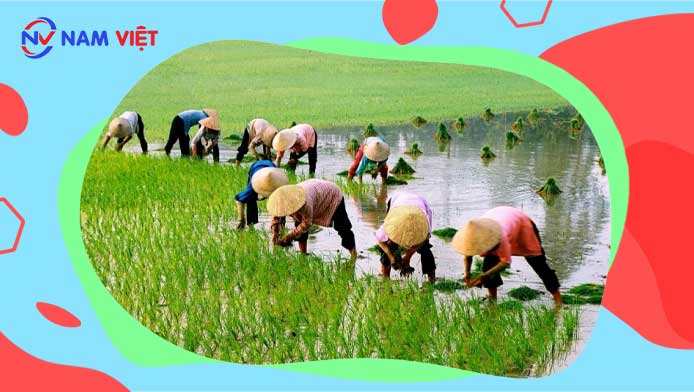
Agricultural workers face significant toxic risks daily. In the agricultural work environment, they are frequently exposed to toxic chemicals from pesticides, chemical fertilizers, and additives. This continuous exposure can cause serious health problems.
In particular, the regular use of pesticides and chemical fertilizers in agriculture often creates dust particles and chemicals in the air. Workers often have to breathe this polluted air, increasing the risk of respiratory and digestive diseases.
Additionally, direct contact with soil and water, which often contain agricultural chemicals, is also a threat to their health. Toxic substances can be absorbed into the body through the skin, causing many skin, eye, and even endocrine problems.
II. Factors affecting workers’ health and how we can minimize risks
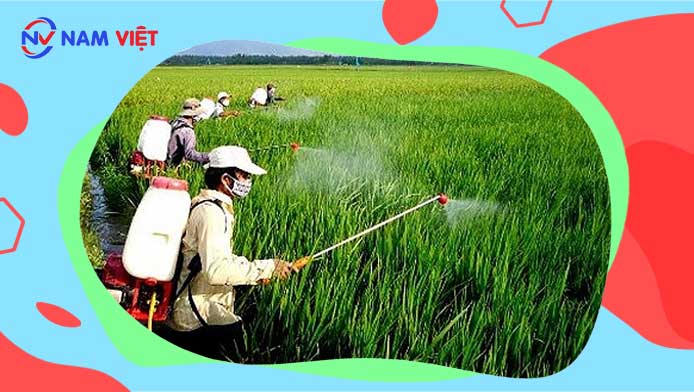
The health of agricultural workers depends heavily on factors in the work environment. Exposure to toxic chemicals, the impact of weather and the environment, along with work pressure, are factors that affect their health. The risk of occupational diseases, respiratory problems, skin issues, and psychological problems are all challenges they face daily.
To minimize risks, it is necessary to establish clear occupational safety policies and implement them strictly. Ensuring workers are trained in safety and use protective gear fully is important. At the same time, controlling the use of toxic chemicals and designing jobs to reduce pressure and mental stress also play crucial roles.
Furthermore, regular health check-ups and medical consultations help monitor and detect health problems that may arise from the work environment early. This way, we can apply preventive measures and timely treatment, helping to minimize the negative impact on the health of agricultural workers.
III. Education in raising awareness about agricultural occupational safety
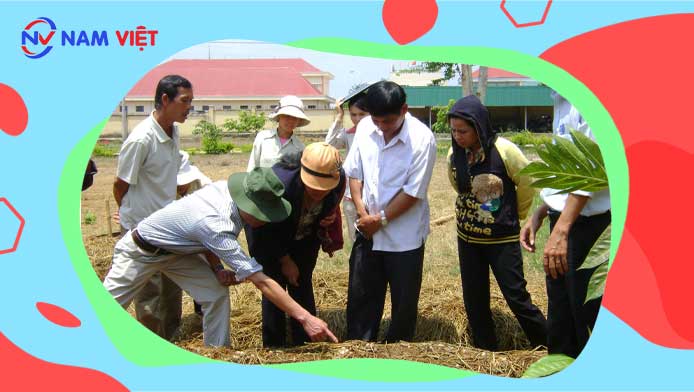
Education plays a crucial role in raising awareness about occupational safety in the agricultural industry. A occupational safety training program not only provides knowledge on the proper use of protective gear and chemical risk control but also helps workers understand the specific dangers they may face daily.
Active training courses emphasize applying safety measures during agricultural work. This includes the correct use of equipment, safe working techniques, and how to handle emergency situations. Training also focuses on helping workers recognize hazardous factors and implement preventive measures.
More importantly, this training program facilitates interaction between workers, instructors, and colleagues, creating a positive and supportive learning environment. This helps us understand occupational safety more clearly and creates a farming community well-trained in safety, thereby minimizing work-related accidents and protecting their health. Occupational safety training is not just a task, but a commitment to the prosperity and sustainability of the agricultural industry.
IV. New technologies and innovations can help reduce agricultural labor risks
New technologies and innovations play an important role in minimizing agricultural labor risks and simultaneously contribute to promoting occupational safety. An occupational safety certificate, along with the application of technological solutions, can be the key to improving working conditions for farmers.
Advanced technologies such as smart sensors, GPS tracking, and artificial intelligence help reduce the risk of accidents and enhance labor productivity. Sensors can monitor environmental conditions like temperature, humidity, and toxic gas levels, thereby providing important information so workers can make safe decisions. GPS tracking systems assist in managing work routes, reducing the risk of safety loss when moving between work areas.
In addition, the use of robots and automated machines in some agricultural jobs reduces the labor burden on workers and minimizes the risk of accidents due to repetitive tasks. The occupational safety certificate also sets requirements for training workers to use and maintain technological equipment safely.
In total, integrating new technologies and innovations into the agricultural industry not only brings benefits in efficiency but also helps protect the health and safety of workers, an important aspect demonstrated through ensuring the Occupational Safety Certificate.

V. Effective prevention strategies to build a safe and sustainable work environment
To build a safe and sustainable work environment in agriculture, establishing prevention strategies is paramount. First and foremost, it is necessary to focus on training and raising safety awareness for agricultural workers. This way, they can recognize and respond to toxic risks, use personal protective equipment correctly, and adhere to safety procedures.
Strategies should also focus on controlling risks at the source, by improving working conditions and using safe technology. This includes regular inspection and maintenance of machinery and equipment, as well as managing toxic substances and pesticides. The Occupational Safety Certificate is an effective tool to ensure workers are trained and aware of preventive measures.
Creating a safety culture is an important goal of the strategy, encouraging all workers to actively participate in proposing and implementing safety measures. The strategy should also incorporate monitoring, performance evaluation, and continuous feedback to adjust and improve preventive measures over time. These steps will support building a sustainable work environment and simultaneously minimize agricultural labor risks.
VI. The impact of agricultural labor issues on the community and economy, while also seeking solutions
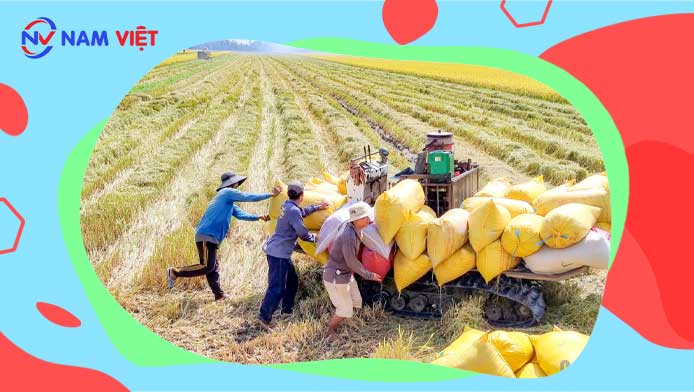
Agricultural labor issues not only affect individuals but also have a strong impact on the community and the economy as a whole. A shortage of quality labor can lead to reduced productivity in agricultural production and affect the food supply.
In the community, this issue can create a chain of negative impacts, including increased unemployment, reduced income, and a decline in living standards. Agricultural workers who lack training and support in occupational safety may face health risks and work-related accidents, affecting their quality of life.
From an economic perspective, agricultural labor problems can lead to reduced productivity and agricultural output, causing significant losses in the food supply chain. This affects market prices and can increase costs for consumers.
To address this issue, it is necessary to seek comprehensive solutions such as improving the quality of vocational training, strengthening occupational safety, and promoting support from the government and related organizations. Building a strong and sustainable agricultural labor system will contribute significantly to the stable development of the community and the economy as a whole.

VII. The important role of community solidarity in helping and protecting agricultural workers
Community solidarity plays an important role in supporting and protecting agricultural workers. The community can create a supportive and unified environment, helping workers overcome difficulties in their daily work.
In the agricultural environment, sharing experiences and knowledge among community members can help improve skills and occupational safety. Organizing joint training sessions on safety and how to respond to specific risks in the industry is also an effective way to raise awareness and preparedness for workers.
Solidarity is also shown through providing emotional and material support in case of emergencies or work accidents. Community organizations can organize support funds, insurance, or assistance programs for workers facing difficulties.
Most importantly, solidarity helps create a strong community spirit, encouraging information exchange, mutual support, and proposing solutions together. This notS only protects the health and safety of agricultural workers but also contributes to the sustainable development of the entire rural community.
VIII. Occupational Safety Training Capacity of An Toan Nam Viet
An Toan Nam Viet is a reputable and high-quality center specializing in occupational safety training (in many different languages such as English, Chinese, Japanese, Korean….) in Vietnam today. With occupational safety training sessions held continuously at production workshops, factories, or construction sites across the country (63 provinces in Vietnam).
REGISTER FOR OCCUPATIONAL SAFETY TRAINING SERVICE
Occupational safety training license
- An Toan Nam Viet has been inspected and certified by the Department of Safety of the Ministry of Labor – Invalids and Social Affairs as eligible to conduct occupational safety and health training activities. This further strengthens our capacity in occupational safety training.

Materials and lectures
- Before occupational safety training materials are used in OSH training courses, they are reviewed and censored to ensure that the lectures are always accurate in terms of knowledge and effective when applied.
- The teaching methods of the instructors are standardized according to An Toan Nam Viet‘s teaching standards, which is a method that experts in occupational safety and health training have researched and concluded during the teaching process to bring the highest knowledge acquisition efficiency for trainees.
Facilities
- Controlling factors in the classroom that affect the training process will increase teaching efficiency and the effectiveness of trainees’ knowledge acquisition.
- Our facilities supporting the training course always arrange spacious classrooms that meet standards for area, lighting, training equipment …etc…
IX. Nationwide center for occupational environment monitoring
Nam Viet’s occupational environment monitoring center is a professional unit for monitoring and measuring the quality of the working environment in all provinces in Vietnam. With a team of experienced monitoring specialists, the center uses modern measuring equipment, ensuring accuracy and reliability.
REGISTER FOR OCCUPATIONAL ENVIRONMENT MONITORING SERVICE
In addition to providing monitoring services, the center also supports clients in planning, processing, and tracking occupational environment issues. With the motto “the customer is the center,” always bringing customer satisfaction, meeting all customer needs, and committing to providing the best solutions for businesses.
With investment in techniques, technology, and human resources, Nam Viet’s monitoring center has been and is becoming one of the reputable units in the field of occupational environment monitoring in Ho Chi Minh City with the following objectives:
- We always value our brand reputation and the quality of our products and services.
- We provide customers with the best and most suitable things possible.
- With a team of Masters, Engineers with rich experience and expertise with the desire to protect the environment and bring benefits to businesses.
- Coming to the Nam Viet Environmental Monitoring team, your company will receive professional service with experts in the field of monitoring. At the same time, you will get the best cost incentives.
The process of conducting occupational environment monitoring at Nam Viet includes the following basic steps:
- Before conducting occupational environment monitoring, our company always ensures that machinery and equipment for occupational environment monitoring are calibrated and verified in accordance with legal regulations.
- Implement the occupational environment monitoring process correctly and fully as committed to the Department of Health.
- Honestly report the occupational environment monitoring results to the employer.
- In case the occupational environment monitoring results do not ensure safety for employees, Nam Viet company will support proposing remedial solutions and the labor establishment will implement as follows:
- Implement measures to improve working conditions to minimize the impact of harmful factors and prevent occupational diseases.
- Organize health checks for early detection of occupational diseases and work-related diseases for employees in positions with unsecured working environments.
- Provide compensation in kind for employees according to the provisions of labor law.