
Hazard prevention
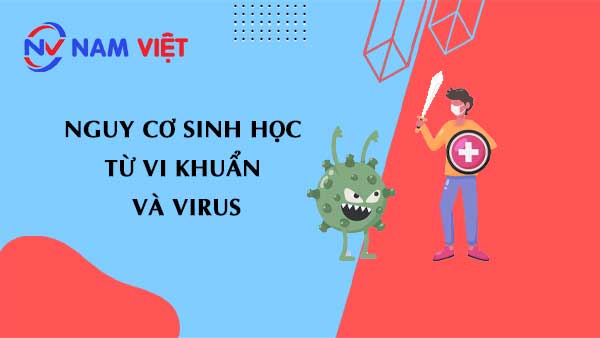
Biological hazards from bacteria and viruses
Sep
In everyday life, we often come into contact with countless factors that can harm our health — from mysterious bacteria to dangerous viruses and unpredictable mechanical hazards. This article will guide you into the diverse world of biological risks, helping you better understand these threats and how to protect yourself from them. Let’s explore and learn about the hidden dangers behind the ordinary surface of daily life.
I. Exploring the tiny world teeming with bacterial and viral risks
Biology always holds interesting and complex surprises for our world. An important part of biological research is exploring the incredibly small world of bacteria and viruses. Although they are very small in size, they possess non-negligible power and can have major impacts on human health and the surrounding environment.
Bacteria, these tiny single-celled organisms, can live everywhere — in soil and rocks, in water, in the air, and even inside the human body. Some bacteria can cause dangerous diseases such as malaria, tuberculosis, and even COVID-19. At the same time, bacteria also play essential roles in natural processes, such as decomposing organic matter and recycling nutrients for plants.
Viruses, although not considered living organisms, can invade our cells and hijack the body’s systems to reproduce. Viral spread can cause epidemics, and new variants may be difficult to control.

II. Understanding latent risks from viruses and how they can affect human health
In the natural world, viruses play a special role, standing out for their incidental hostility to human health. Although they cannot exist independently like bacteria or cells, viruses can enter the human body and use our cellular machinery to survive and reproduce. This creates latent threats to human health that we cannot ignore.
Viruses can cause many dangerous illnesses, from common colds to serious diseases like HIV/AIDS, influenza, and most recently COVID-19. Their modes of transmission are varied — from contact with respiratory droplets or secretions of an infected person to contact with medical waste. Viruses can persist in many environments and wait for opportunities to attack. Some viruses can change rapidly, producing new, unpredictable, and hard-to-control variants.

III. The unending confrontation between humans and bacteria
Within Earth’s complex biological systems, the battle between humans and bacteria is an ongoing contest. Bacteria, with their tremendous diversity and ability to generate new variants, continuously challenge human health and immune systems.
This confrontation has existed for thousands of years. Early humans recognized the presence of bacteria through traces of infectious diseases and developed initial measures to counter them. Understanding how bacteria attack the human body has led to the development of vaccines and antibiotics — two of the most important tools in this struggle.
However, bacteria continually change and evolve. They develop resistance to antibiotics, cause new diseases, and can spread quickly in a modern world made mobile by global travel. You can find more detailed information about occupational safety training durations under Decree 44.

IV. Hazards from harmful mechanical factors and how they act
In our daily lives, we often do not think about nearby harmful mechanical factors. However, these factors can create unexpected threats and can harm human health and safety.
A clear example is workplace accidents. Mechanical elements such as machinery, equipment, and tools can cause accidents if safety and occupational hygiene measures are not followed. Wounds, injuries, or even fatalities can occur from collisions, cuts, crushing, or entrapment in machines and equipment.
In addition, mechanical factors can also pose challenges to the environment. Mining, construction, and industrial activities can lead to land erosion, environmental pollution, and loss of wildlife habitat.

V. How do we encounter these risks in everyday life?
Biological risks are not confined to laboratories or special situations. In reality, we are exposed to these risks daily in routine life, often without noticing.
The simplest example is when we come into contact with bacteria and viruses. They can exist on the surfaces of items we frequently touch, such as mobile phones, computers, door handles, and cash. They can also be present on the food we consume daily. Neglecting to wash hands or failing to follow personal hygiene measures can lead to disease transmission.
Besides that, biological risks also relate to environmental exposure. Air and water pollution, the presence of dust particles and toxic substances in our living and working spaces, all pose health risks. Waste management and wastewater treatment systems can also cause biological problems if not properly managed.

VI. Measures and strategies to protect your health
Facing biological risks is an unavoidable part of everyday life. However, we can adopt certain measures and strategies to protect our health.
1. Practice personal hygiene: Washing hands frequently with soap and warm water for at least 20 seconds is one of the most important measures to prevent the spread of bacteria and viruses. Use masks when necessary and follow personal hygiene guidelines.
2. Keep the environment clean: Ensure your living and working spaces are maintained cleanly and safely. Dispose of waste properly, inspect your living area to identify and address potential biological hazards.
3. Stay informed about health: Understand specific risks and how they can affect your health. Learn prevention measures and be prepared to respond to risky situations.
4. Ensure food hygiene: Prepare and store food safely. Cook food thoroughly and avoid consuming expired products.
5. Participate in safety training: If possible, join occupational safety training programs, personal hygiene, and biological risk management courses to improve your knowledge and skills.

VII. The importance of the global health system in responding to biological risks and epidemics
The emergence of biological risks and epidemics poses a major challenge to the global health system. The role of the international health system in responding to these threats cannot be overlooked.
1. Preparedness and rapid response: International health systems play an essential role in preparing for emergencies. This includes developing response plans, preparing medical equipment, and reviewing preventive measures.
2. Communication and alerts: This system needs to have the capability for effective global alerting and communication. This helps countries and international organizations receive timely information about ongoing risks and outbreaks.
3. International cooperation: Countries must cooperate closely to share information and medical resources. The international health system can act as a facilitator for such cooperation.
4. Prevention and research: The international health system also plays a crucial role in researching and developing preventive measures, vaccines, and treatments for infectious diseases.
5. Funding and resources: Providing sufficient funding and resources to the international health system is decisive. This enables the system to maintain readiness for emergencies and global health challenges.
In today’s world, biological risks and epidemics can spread rapidly and have global impacts. Global response through international health systems is an important part of protecting the health and safety of people worldwide. You can find more detailed information about occupational safety training content under Decree 44.
VIII. An Toàn Nam Việt’s capacity for occupational safety training
An Toàn Nam Việt is a reputable and quality occupational safety training center in Vietnam today. With continuous occupational safety training sessions held at manufacturing workshops, factories, or construction sites across the country (all 63 provinces and cities in Vietnam).
REGISTER FOR OCCUPATIONAL SAFETY TRAINING SERVICE
Occupational safety training license
- An Toàn Nam Việt has been inspected and granted certification of eligibility to operate occupational safety and hygiene training by the Department of Occupational Safety under the Ministry of Labour — Invalids and Social Affairs, confirming our eligibility to provide occupational safety and hygiene training. This further solidifies our capacity in occupational safety training.

Training materials and lectures
- Before occupational safety training materials are included in ATLĐ training courses, they are reviewed and vetted to ensure lectures are accurate in content and effective when applied.
- The teaching methods of our instructors are standardized according to An Toàn Nam Việt’s teaching standards — methods developed and refined by experts in occupational safety and hygiene training to maximize knowledge absorption by trainees.
Facilities
- Controlling classroom factors that affect the training process increases teaching efficiency and learners’ knowledge retention.
- Our training-supporting facilities always provide spacious classrooms that meet standards for area, lighting, training equipment, etc.
IX. National workplace environment monitoring center
Nam Việt’s Workplace Environment Monitoring Center is a professional unit specializing in supervising and measuring workplace environmental quality throughout all provinces and cities in Vietnam. With a team of experienced monitoring specialists, the center uses modern measuring equipment to ensure accuracy and reliability.
REGISTER FOR WORKPLACE ENVIRONMENT MONITORING SERVICE
In addition to monitoring services, the center supports clients in planning, handling, and tracking workplace environmental issues. With the motto “customer-centered,” we always strive to satisfy clients’ needs and commit to delivering the best solutions for businesses.
With investments in technical equipment, technology, and human resources, Nam Việt’s monitoring center has been and is becoming one of the reputable units in workplace environment monitoring in Ho Chi Minh City with the following objectives:
- We always value our brand reputation and the quality of our service products.
- We provide customers with the best and most appropriate solutions possible.
- Together with a team of experienced Masters and Engineers who are dedicated to protecting the environment and benefiting enterprises.
- By choosing Nam Việt Environmental Monitoring, your company will receive professional service from experts in the monitoring field and the best cost incentives.
The basic process for workplace environmental monitoring at Nam Việt includes the following steps:
- Before performing workplace environmental monitoring, our company always ensures that monitoring machines and equipment are adjusted and calibrated according to legal regulations.
- Strictly implement the agreed workplace environmental monitoring procedures with the Department of Health.
- Honestly report workplace environmental monitoring results to the employer.
- If monitoring results indicate the workplace is not safe for workers, Nam Việt will assist in proposing corrective solutions and the workplace will proceed as follows:
- Implement measures to improve working conditions to minimize the impact of hazardous factors and prevent occupational diseases.
- Organize medical examinations to detect occupational diseases and related conditions early for employees in positions with unsafe working environments.
- Compensate workers in kind according to labor law regulations.