
Hazard
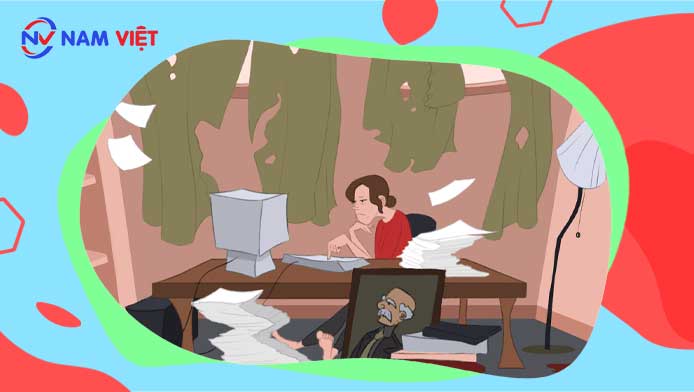
Psychological risks affect workers’ health

Sep
This article delves deeper into the daily psychological risks we face in the workplace. From stress to work pressure and conflict, we will explore how these factors can affect the mental well-being and health of workers, and how we can respond to create a healthier working environment.
I. How Work Causes Psychological Stress
Our work can be a significant obstacle to psychological balance. Work pressure can create feelings of stress, anxiety, and fatigue. This is especially true in an increasingly competitive work environment with the high demands of the modern world.
Work can create pressure when we have to deal with tight deadlines, heavy workloads, or high expectations from supervisors and colleagues. This can lead to psychological stress, affecting our health and quality of life. Maintaining balance and managing pressure at the workplace is more important than ever.

II. Mental Consequences of Work Stress
One of the most common consequences of work stress is anxiety and depression. Constant pressure can lead to tense moods, anxiety, and feelings of helplessness. At times, it can escalate into depression, affecting work ability and personal quality of life.
Work stress can also cause sleep problems. Those under stress often have difficulty sleeping. Stress and anxiety can make sleep short, interrupted, and lead to insomnia.
Additionally, stress can affect overall mental health. It can cause tension within family relationships and create an unhealthy work environment. The consequences of work stress are not only personal issues but can also extend into daily life. You can find more details about occupational safety training duration under Decree 44.

III. How Conflicts Affect Mental Health
One of the common mental consequences of conflicts is increased stress. Disputes or conflicts with colleagues, supervisors, or subordinates can make workers feel stressed and uncomfortable in the workplace. This can lead to anxiety and uncertainty about career prospects.
Additionally, conflicts can cause a loss of confidence and self-esteem. When workers face conflict situations, they may feel threatened and insecure about their abilities. This can reduce self-respect and confidence at work.
Furthermore, conflicts can cause feelings of loneliness and isolation in the workplace. When workers experience disputes or do not receive support in conflict situations, they may feel abandoned and unsupported.
IV. Resolving Workplace Conflicts
One of the important elements of the “blue light” method is the ability to listen and understand others’ perspectives. When all parties feel heard and have a chance to participate in conflict resolution, they tend to feel more satisfied with the outcome.
The blue light approach also encourages creating a safe space for discussion and expression. This can help eliminate fear and tension during conflict resolution. Blue light meetings often provide a private space where parties can speak openly without fear of judgment or criticism.
Furthermore, the blue light method promotes focusing on constructive solutions rather than blaming. Instead of criticizing, everyone works together to improve the situation and ensure satisfaction with the final outcome.

V. The Impact of Pressure and Conflict
Work has a strong impact on our mental well-being. Pressure and conflict in the workplace can cause many negative psychological effects.
1. Work pressure: High-pressure jobs, tight deadlines, and unreasonable expectations can cause stress and anxiety. Constant pressure can lead to chronic stress, lack of sleep, and even burnout — a state of mental exhaustion from prolonged work pressure.
2. Workplace conflict: Poor relationships and conflicts with colleagues or managers can cause mental stress. Ongoing conflicts can hurt morale, reduce work performance, and cause unhappiness.
3. Combination of pressure and conflict: In some cases, work pressure and conflict may combine and create severe negative impacts on the mental health of workers. This may lead to issues such as anxiety, depression, and emotional breakdown.
To cope with the negative impact of workplace pressure and conflict, management and employees need to work together to build a healthy and friendly working environment. You can find more details on occupational safety training content under Decree 44.

VI. Signs and Impacts
Signs of good mental health:
- Stable mental state: Good mental health is often associated with stability in emotions, meaning you feel confident and comfortable in various situations.
- Ability to handle stress: People with good mental health can effectively manage stress. They know how to reduce tension and self-regulate in difficult situations.
- Emotions and relationships: Mental health affects how we form and maintain relationships. Those with good mental well-being tend to maintain healthy relationships with family, friends, and colleagues.
Impacts of mental health:
- Overall health: Mental health directly affects physical health. A strong mind can help boost the immune system and reduce the risk of mental disorders.
- Work performance: Good mental health improves productivity and focus. Those with balanced mental states often achieve higher performance in work and study.
- Life satisfaction: Mental health plays an essential role in building a happy and fulfilling life. It helps us face challenges and discover joy in daily life.

VII. Coping With Psychological Risks
To build a better working environment and deal with psychological risks, we need to focus on several essential aspects.
1. Creating a Supportive Environment: Create a workplace where employees feel comfortable and safe. This includes establishing a free and open culture where everyone can express ideas without fear of punishment. Encourage collaboration and support among colleagues.
2. Assessing and Managing Stress: Conduct regular assessments of stress and workload levels to ensure appropriate measures are taken to minimize psychological risks. Provide tools and training for stress management, such as relaxation techniques and time management.
3. Encouraging Relaxation: Promote opportunities for employees to relax and rest. Encourage activities outside work such as exercise, meditation, or personal hobbies to reduce stress.
4. Psychological Support: Ensure employees know they have support from the company when facing mental issues. Provide counseling or mental health support programs to help employees seek necessary assistance.
5. Training and Education: Provide opportunities for employees to attend mental health training programs and stress management workshops. Help them identify psychological warning signs and know when and where to seek help.

VIII. Occupational Safety Training Capacity of An Toàn Nam Việt
An Toàn Nam Việt is a reputable and high-quality center specializing in occupational safety training in Vietnam. Our safety training sessions are conducted regularly at factories, manufacturing plants, and construction sites across all 63 provinces and cities in Vietnam.
REGISTER FOR OCCUPATIONAL SAFETY TRAINING SERVICES
Training License
- An Toàn Nam Việt has been inspected and certified by the Department of Occupational Safety under the Ministry of Labour – Invalids and Social Affairs as meeting all requirements to conduct occupational safety and hygiene training. This further strengthens our training capacity.

Training Materials and Lectures
- Before occupational safety training materials are used in safety training courses, they undergo review and approval to ensure accuracy and effectiveness.
- The teaching methods of our instructors follow An Toàn Nam Việt’s standardized training system, which is developed by experts in occupational safety and hygiene training to maximize learning outcomes.
Facilities
- Controlling environmental factors in training rooms enhances teaching performance and trainees’ learning efficiency.
- Our training facilities always meet standards of spacious classrooms, proper lighting, and training equipment.
IX. Nationwide Occupational Environment Monitoring Center
Nam Việt’s Occupational Environment Monitoring Center is a professional unit specializing in monitoring and measuring workplace environmental quality throughout all provinces in Vietnam. With a team of experienced occupational environment monitoring specialists, the center uses advanced measurement devices, ensuring accurate and reliable results.
REGISTER FOR OCCUPATIONAL ENVIRONMENT MONITORING SERVICES
In addition to monitoring services, the center supports clients in planning, handling, and monitoring workplace environmental issues. With the motto “customer-centric,” the center always aims for client satisfaction, meeting all needs and offering the best solutions for businesses.
With investments in technology, equipment, and human resources, Nam Việt’s monitoring center has become one of the reputable units in occupational environment monitoring in Ho Chi Minh City, with the following objectives:
- We value our brand reputation and the quality of our services.
- We provide clients with the best and most suitable solutions.
- Our team consists of experienced Masters and Engineers dedicated to protecting the environment and supporting businesses.
- With Nam Việt’s monitoring specialists, companies receive professional service and the best cost-saving benefits.
The occupational environment monitoring procedure at Nam Việt includes the following steps:
- Before conducting monitoring activities, all equipment and devices are calibrated and certified according to legal standards.
- We strictly follow the monitoring procedures committed to the Department of Health.
- We provide honest environmental monitoring results to employers.
- If the monitoring results show unsafe conditions for workers, Nam Việt will support proposing corrective solutions, and the workplace must implement the following:
- Implement corrective measures to minimize hazardous factors and prevent occupational diseases.
- Organize health check-ups to detect early signs of occupational diseases for workers in unsafe environments.
- Provide workers with benefits in kind as required by labor laws.