
Hazard
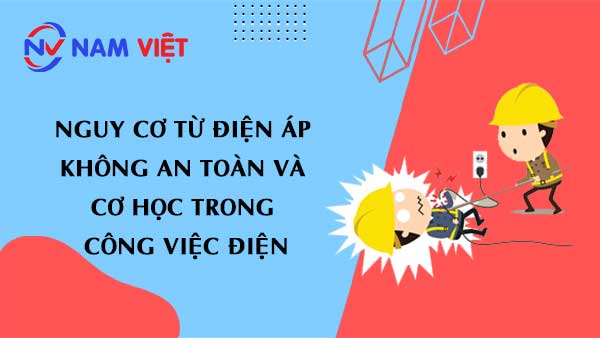
Risks from Unsafe Electrical Voltage and Mechanical Hazards in Electrical Work
Sep
In an environment working with electricity, understanding voltage and mechanics is extremely important. This article will take you on an exploration of the hidden dangers that voltage and mechanics pose to workers. We will learn how to protect our health and safety in this work environment and the necessary measures to avoid unwanted risks. Let’s learn about the importance of mastering this knowledge in the article below.
I. Why can voltage become an unforeseen threat to workers?
Voltage, although it has no clear physical form, carries significant hidden risks for workers. This stems from the complex interaction between humans and electricity sources. In the work environment, voltage can become an unforeseen threat if appropriate safety measures are not implemented.
Excessively high voltage can cause electrical accidents, leading to serious consequences for workers. A small mistake in wiring or using electrical equipment can have major consequences for their health and life. Lack of knowledge or negligence when working with voltage can also lead to dangerous situations.
The hidden risk from voltage includes not only technical issues but also relates to how people interact with it. The ability to understand, train, and implement safety measures is essential to cope with this risk. Furthermore, informing and educating workers about the hazardous factors related to voltage is important to protect them from unwanted situations.

II. Risks arising from the mechanical aspects of working with electricity
Mechanics in the electrical work environment relate to important aspects of the job and the interaction between physical factors in the electricity industry. Risks arising from the mechanical aspects of working with electricity are an important part of ensuring safety in the work environment.
Some important mechanical aspects include:
- Equipment and Machinery: Electrical works often involve the use of complex equipment and machinery. Using, maintaining, and repairing them requires high expertise and strict adherence to safety rules.
- Connection and Handling of Wires: Inaccuracy in connecting or handling wires can lead to a risk of short circuits or electrical faults, causing work accidents.
- Mechanical Protection: Mechanical parts, such as cutting machines, cables, and insulating materials, must be used correctly and ensure worker safety.
- Assembly Line Electrical Systems: Factories and workshops often use complex electrical systems and must strictly adhere to safety rules in their construction and operation.
When an incident occurs, workers need to know how to deal with the situation safely and effectively. You can see more details about occupational safety training content according to Decree 44.

III. The danger when voltage and mechanics meet in daily work
The combination of voltage and mechanical aspects in daily work can create a series of frightening and hidden risks for workers. High voltage and improper mechanics can lead to dangerous situations and serious work accidents.
- Risk of Electrical Fault: When a high voltage source encounters a mechanical problem, such as a broken wire or damaged equipment, an electrical fault can occur. This can pose a risk of bleeding, burns, or even death.
- Overloaded Electrical Equipment: Some electrical equipment can become overloaded or malfunction, leading to uncontrollable situations. If workers do not know how to handle it or are not adequately trained, the risk of accidents increases.
- Risk of Short Circuit: If mechanical objects, such as tools or metal equipment, penetrate electrical circuits, it can lead to short circuits and electrical faults.
- Mechanical Protection Not Used Correctly: Mechanical protective equipment, such as helmets and protective clothing, must be used correctly and always worn when necessary. Otherwise, the risk of injury increases.
- The Combination of Mechanics and Voltage: In the work environment, the combination of mechanics and voltage often occurs, especially in industries using electrical equipment. Understanding and controlling both these factors is extremely important to ensure safety.

IV. How to prevent and minimize risks to employee health and safety
Protecting worker safety is a high priority in the work environment. To prevent and minimize risks to employee health and safety, several important measures need to be applied:
- Training and Awareness Building: Training is a crucial part of safety protection. All employees must be trained on safety rules and implement them in their daily work. This includes the proper use of personal protective equipment.
- Equipment Inspection and Maintenance: Equipment and machinery are the source of many work accidents. Regular inspection, maintenance, and repair when necessary ensure they always operate safely.
- Safety Planning: Create specific safety plans and procedures for each job and work environment. This helps identify and minimize potential risks.
- Physical Controls: Install barriers, signs, and other physical controls to prevent access to hazardous areas.
- Chemical Control: If the work involves hazardous chemicals, implement appropriate control measures, including storage, use, and disposal according to regulations.
- Feedback and Learning from Accidents: If an accident occurs, investigate the cause and apply measures to prevent recurrence. Learn from this experience to improve work processes.
- Work Environment Awareness: All employees must be vigilant and report any hazardous situations they detect. This helps prevent incidents from occurring.
Protecting safety is not only the responsibility of management but also the responsibility of all employees in the workplace. We need to work together to ensure everyone has a safe and healthy work environment. You can see more details about occupational safety training duration according to Decree 44.

V. Basic principles for working with electricity without putting yourself in danger
The basic rules of electrical safety are the crucial foundation for working with electricity without putting yourself in a dangerous situation.
- Understand Voltage: First, clearly understand the voltage you are working with. Voltage is measured in “Volts.” Knowing the voltage level will help you determine the risk and the necessary safety measures.
- Use Protective Equipment: Always ensure you use full personal protective equipment, such as safety glasses, insulated gloves, protective clothing, and helmets, depending on the specific job.
- Avoid Water and Moisture: Electricity and water do not mix well. Avoid working with voltage when you are wet, especially if you are standing on a conductive surface.
- Do Not Use Electrical Equipment in Damp Environments: Avoid using electrical devices in damp environments or near water to prevent the risk of short circuits and electric shock.
- Turn Off Power When Not in Use: When not using equipment, always turn off the power. This not only helps save energy but also reduces the risk of electrical faults.
- Do Not Self-Repair: If you do not have sufficient knowledge and skills, you should not repair electrical equipment yourself. Let professionals do this work.
- Check Conductors: Always check the condition of wires and electrical equipment before use. Ensure they are not torn, cracked, or damaged.
- Follow Instructions: Always follow the instructions and safety rules established by the manufacturer or the company. This is especially important when working with complex electrical equipment.

VI. Using technology and processes to reduce risks related to voltage and mechanics
Optimizing the work environment is an important part of reducing risks related to voltage and mechanics.
1. Risk Assessment: Start by conducting a detailed risk assessment to identify which locations, processes, and equipment may pose voltage and mechanical risks. This helps you understand the specific hazards in your environment .
2. Use Safety Technology: Advanced safety technologies and equipment can help reduce risks related to voltage and mechanics. Use the latest machinery and equipment that integrate safety features and risk controls.
3. Training and Education: Ensure that all employees are fully trained in occupational safety and know how to respond to voltage and mechanical risks. Organize regular training courses and provide updated safety information.
4. Process Management: Adjust work processes to minimize risk. This may include restructuring jobs or rearranging the workspace to reduce exposure to hazardous voltage or mechanics.
5. Equipment Inspection and Maintenance: Perform regular inspections and maintenance on electrical and mechanical equipment. This helps ensure they always function correctly and do not pose unnecessary risks.

VII. Real-life stories and serious consequences of taking this issue lightly
The consequences of not paying attention to safety related to voltage and mechanics can be frightening and moving real-life stories. When this issue is taken lightly, we may face serious consequences not only for the health of employees but also for the operation of the business.
A typical case is a work accident related to high voltage. A careless worker approached an inadequately protected electrical device and received a severe electric shock. The consequence was the worker was seriously injured, required long-term medical treatment, and might have to be off work for a long time. This not only affects the person’s health and personal life but also causes financial and reputational damage to the business.
Another consequence is that the work environment becomes stressful and unsafe. Employees may become fearful and unable to concentrate on their work, increasing the risk of accidents. This can create a negative loop, affecting work performance and business development.

VIII. An Toan Nam Viet’s Occupational Safety Training Capability
An Toan Nam Viet is a reputable and high-quality center specializing in occupational safety training (in many different languages such as English, Chinese, Japanese, Korean….) in Vietnam today. With occupational safety training sessions held continuously at factories, plants, or construction sites across the country (63 provinces in Vietnam).
REGISTER FOR OCCUPATIONAL SAFETY TRAINING SERVICES
Occupational safety training license
- An Toan Nam Viet has been inspected and certified by the Department of Work Safety of the Ministry of Labour – Invalids and Social Affairs as eligible to conduct occupational safety and hygiene training activities. This further solidifies our occupational safety training capabilities.

Materials and Lectures
- Before occupational safety training materials are used in occupational safety training courses, they are reviewed and approved to ensure that lectures are always accurate in terms of knowledge and effective when applied.
- The teaching methods of our instructors are standardized according to An Toan Nam Viet’s teaching standards, a method researched and refined by experts in occupational safety and hygiene training during the teaching process to bring the highest knowledge acquisition efficiency for trainees.
Facilities
- Controlling factors in the classroom that affect the training process will increase teaching efficiency and the effectiveness of trainees’ knowledge acquisition.
- Our training course support facilities always provide spacious classrooms that meet standards for area, lighting, training equipment, etc.
IX. Nationwide Occupational Environment Monitoring Center
Nam Viet’s Occupational Environment Monitoring Center is a professional unit for monitoring and measuring the quality of the working environment in all provinces throughout Vietnam. With an experienced team of monitoring specialists, the center uses modern measuring equipment, ensuring accuracy and reliability.
REGISTER FOR OCCUPATIONAL ENVIRONMENT MONITORING SERVICES
In addition to providing monitoring services, the center also supports clients in planning, addressing, and tracking occupational environment issues. With the motto “the customer is the center,” we always bring satisfaction to our clients, meet all their needs, and commit to providing the best solutions for their businesses.
With investment in techniques, technology, and personnel, Nam Viet’s monitoring center has become one of the reputable units in the field of occupational environment monitoring in Ho Chi Minh City with the following objectives:
- We always value our brand reputation and the quality of our products and services.
- We provide customers with the best and most suitable things possible.
- With a team of experienced and professional Masters and Engineers who wish to protect the environment and benefit businesses.
- Coming to Nam Viet’s Environmental Monitoring team, your company will receive professional service from experts in the monitoring field. At the same time, you will get the best cost incentives.
The process of conducting occupational environment monitoring at Nam Viet includes the following basic steps:
- Before conducting occupational environment monitoring, our company always ensures that machinery and equipment used for monitoring are adjusted and calibrated in accordance with legal regulations.
- Implement a complete and correct occupational environment monitoring process as committed to the Department of Health.
- Truthfully report the occupational environment monitoring results to the employer.
- If the occupational environment monitoring results do not ensure safety for employees, Nam Viet company will assist in providing remedial solutions, and the labor establishment will proceed as follows:
- Implement measures to improve working conditions to minimize the impact of harmful factors and prevent occupational diseases.
- Organize health check-ups to detect occupational diseases and work-related illnesses early for employees in positions with unsecured working environments.
- Provide in-kind benefits to employees in accordance with labor laws.