
Health
Main Causes of Stroke in Children
Nov
Stroke is not just a problem for adults. Children can also suffer from it, and behind this lies a series of noteworthy causes. Learn about the factors causing stroke in children, from genetics to lifestyle. This article will take you on a journey to explore the primary causes and provide detailed information to help protect the health of the young members of your family.
I. Stroke in children, a dangerous issue that doesn’t just occur in adults
Stroke, a serious medical event often associated with adults, is increasingly becoming a major concern for children. Contrary to popular belief, stroke is not just a problem for adults but can also threaten the health of young people. This is especially true as stroke in children is often due to cerebral vascular malformation, a distinct and characteristic cause compared to adults.
Stroke in children focuses on the primary cause being cerebral vascular malformation. Stroke in children may not only be based on genetic factors but can also be present from birth, even without symptoms until rupture, creating a challenge in timely diagnosis and intervention. Modern diagnostic methods, like MRI and MRA, provide a comprehensive view of the brain structure and blood vessels, thereby laying the foundation for early and effective treatment.
In addition, a modern and minimally invasive method for treating stroke caused by vascular malformation in children is endovascular intervention using a digital angiography machine. This method not only helps identify and treat the malformation but also reduces the risk of weakness, preserves brain function, and minimizes the impact on the child’s development.

II. The primary cause is cerebral vascular malformation, with an explanation of the structure and mechanism of hemorrhage
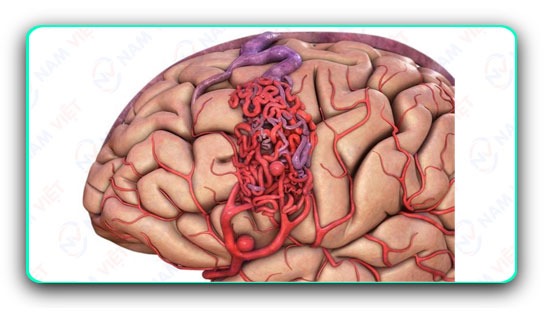
Stroke in children often stems from a primary cause – cerebral vascular malformation. This increases the risk of cerebral hemorrhage and creates characteristic symptoms that parents need to watch out for. Cerebral vascular malformation, although often present from birth, is not always easy to recognize. This creates a challenge in making a timely diagnosis and intervention. This malformation may not cause any symptoms until the blood vessel ruptures, leading to bleeding in the brain.
When a cerebral vascular malformation causes hemorrhage, the structure and mechanism of this event become important to understand. The ruptured blood vessel creates pressure in the brain, damaging surrounding structures and causing symptoms such as headache, dizziness, and seizures.
To diagnose cerebral vascular malformation and assess the hemorrhagic condition, modern methods like MRI and MRA are used. These techniques, with the support of 3 Tesla MRI machine technology, allow doctors to see the entire brain structure and blood vessels, thereby determining the location and scale of the malformation.
Understanding the cause of cerebral vascular malformation and the mechanism of hemorrhage is important for timely detection and intervention. Therefore, when parents notice any signs of stroke in children, especially symptoms like headache, vomiting, and seizures, taking the child to a doctor immediately can help with early detection and effective treatment, protecting the health and future of the young ones.
III. Common symptoms when children have a stroke, such as headache, vomiting, and seizures, to help readers better understand the nature of the problem
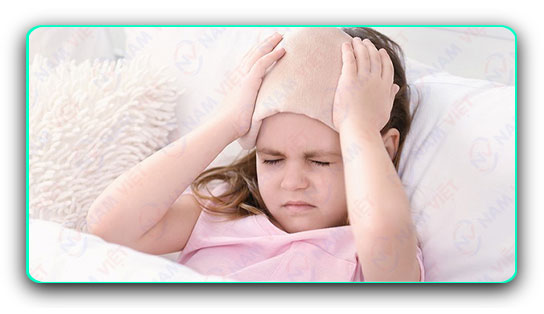
One of the first symptoms that children often experience when having a stroke is a headache. This pain can appear suddenly and be persistent, often accompanied by a blinding sensation. Recognizing a change in the child’s habits or attitude towards headaches can be an important sign.
Vomiting is a common and important symptom when assessing the possibility of cerebral hemorrhage. Children having a stroke often feel nauseous and vomit abnormally. This is a result of increased pressure in the brain due to bleeding, and can sometimes occur suddenly and unpredictably.
Seizures are a serious symptom of stroke in children. Seizures can appear suddenly and last for a period, as a sign of severe damage in the brain. This constitutes an emergency situation and requires immediate intervention.
By understanding symptoms like headache, vomiting, and seizures, we gain a deeper insight into the complex nature of stroke in children. Early recognition of these signs and taking the child to a doctor immediately can help increase the chances of successful treatment and protect the child’s health in the future.
IV. The specific case of an 8-year-old girl in Phu Tho to illustrate the seriousness and prevalence of this problem
We will delve into the story of an 8-year-old girl in Phu Tho to better understand the condition of stroke in children, a serious and increasingly common problem.
The little girl in Phu Tho began to experience unusual signs, especially headache, vomiting, and seizures. Family, teachers, and friends quickly noticed the change in the girl’s mood and health. These symptoms, which might initially be confused with other problems, highlighted a condition that needed closer examination.
Concerned about her health condition, the family decided to take the girl to the doctor. A series of tests and diagnostics were performed, with the modern use of MRI and MRA machines. The results indicated a type of cerebral vascular malformation, posing a risk of stroke.
With the timely intervention of the medical team, supported by digital angiography equipment, the girl’s vascular malformation was identified and treated immediately. The endovascular intervention method not only reduced the pressure in the brain but also helped maintain brain function as well as possible.
This case is not only an illustration of the seriousness of stroke in children but also a story about the importance of symptom recognition and timely intervention. Through this story, we learn that sensitivity and speed in facing this health problem can be the decisive key between life and death, especially in the world of pediatric health.
V. The risk of stroke in children, as well as the ‘youth’ trend of this pathology and why it can occur at a young age
In a world where stroke is often associated with adults, the risk of stroke in children is becoming increasingly concerning. This article will explore the “youth trend” of this pathology and what lies behind the increasing risk of stroke at a young age.
Although stroke is often associated with adults and the elderly, the fact is that the risk of stroke in children is becoming increasingly noteworthy. Studies show that children today face a higher risk of stroke, and this pathology is trending younger, increasing the complexity of diagnosis and treatment.
The Youth Trend and the Reasons Behind It
- Lifestyle Changes: The youth trend of stroke in children is partly a result of lifestyle changes, including unhealthy diets, lack of exercise, and increased electronic screen time. These changes contribute to the increased risk of stroke at a young age.
- Genetic Factors: Although stroke in children is not usually hereditary, there are some cases related to genetic factors. If there is a family history of this problem, the risk increases significantly.
- Academic Pressure: The increasing trend of academic pressure may contribute to the risk of stroke in children. Pressure and stress from studies and daily life can affect the mental and physical health of children, increasing the risk of stroke.
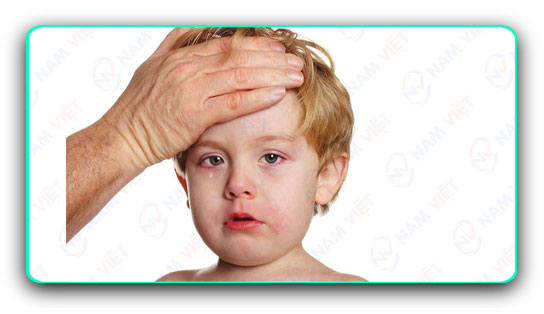
VI. Modern diagnostic methods like MRI and MRA, and explaining the endovascular intervention process using Digital Subtraction Angiography (DSA)
In diagnosing stroke in children, modern methods such as MRI (Magnetic Resonance Imaging) and MRA (Magnetic Resonance Angiography) play an important role, providing an accurate and detailed view of the brain structure and blood vessels.
MRI is a non-invasive diagnostic technology that allows doctors to see the brain structure and blood vessels in detail. In the case of stroke in children, MRI can detect vascular malformations, hemorrhage, and other abnormalities in the brain structure. The multidimensionality and high resolution of MRI help determine the location and scale of the problem accurately.
MRA, or Magnetic Resonance Angiography, focuses on imaging blood vessels, helping doctors better assess the condition of the brain’s vascular system. Through this procedure, doctors can identify vascular malformations, ischemic areas, or hemorrhages, which are the main factors causing stroke in children.
Endovascular intervention using Digital Subtraction Angiography (DSA) is an effective arterial diagnostic and treatment method. Through DSA, doctors can perform immediate intervention by using a catheter threaded from the groin through the blood vessels to the brain. This process not only identifies the exact location of the vascular malformation but also helps treat the problem accurately and less invasively than traditional surgical methods.
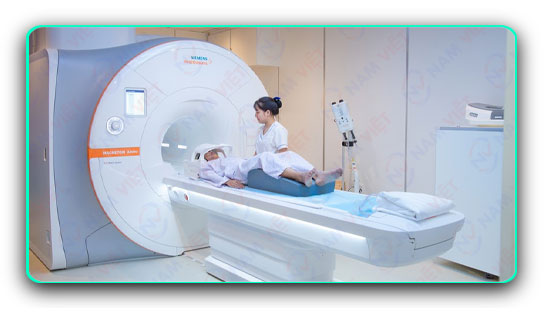
VII. Early detection of vascular malformation and performing intervention, especially during the “golden time,” to optimize treatment capability
Early detection of vascular malformation in children and performing intervention during the “golden time” is a crucial key to optimizing treatment capability and protecting the child’s health. This article will explain why this is important and how it can improve treatment outcomes.
- Optimizing Treatment: Early detection of vascular malformation helps doctors identify the problem quickly and accurately. This allows a treatment plan to be designed and implemented right from the initial stage, optimizing treatment capability and minimizing damage.
- Significantly Reduced Stroke Risk: Vascular malformation is one of the main causes of stroke in children. Early detection and intervention during the “golden time” reduce the risk of hemorrhage and increase the chance of preserving brain function.
Golden Time and Effective Treatment
- Endovascular Intervention with DSA: Rapid intervention during the “golden time” often includes endovascular intervention using Digital Subtraction Angiography (DSA). This method not only identifies the exact location of the vascular malformation but also helps treat the problem right as it appears.
- Reducing Impact on the Brain: Treatment during the “golden time” helps reduce pressure in the brain and the risk of hemorrhage. This not only protects important structures but also reduces brain damage and increases the child’s recovery potential.
Educating the community about the symptoms of stroke in children and the importance of taking a child to the doctor as soon as unusual signs appear. Recognizing and confronting this problem from the beginning is the key to optimizing treatment capability and protecting the health of the future generation.
An Toan Nam Viet – a leading unit in providing occupational safety training and workplace environmental monitoring services. We are proud to be a trusted partner for businesses, helping ensure a safe working environment and protecting workers' health.With extensive experience and a team of top experts, we are committed to delivering high-quality services while meeting all regulatory requirements on occupational safety and environmental monitoring.
Our occupational safety training services include educating and raising awareness among employees about safety regulations, equipping them with skills to handle dangerous situations, and implementing accident prevention measures. We continuously update and apply the latest knowledge to ensure your employees always work in a safe environment, minimizing the risk of occupational accidents and protecting their lives.
With our workplace environmental monitoring services, we use the most advanced equipment and methods to measure, monitor, and analyze the quality of air, water, and noise in the working environment. We provide detailed and accurate reports on pollution levels, helping businesses implement solutions to improve working conditions, ensure legal compliance, and create a healthy workplace for employees.
Contact Information:
- Nam Viet Occupational Safety Training and Environmental Monitoring Co., Ltd.
- Phone: 0908 111 791
- Email: lienhe@en.antoannamviet.com
- Website: https://en.antoannamviet.com