
Safe learning method
Ways to Improve Employee Safety

Jun
Are you working in a labor environment and concerned about employee safety? This article will help you explore effective ways to enhance occupational safety and ensure the health of your team. From building a safety culture to ensuring compliance with legal regulations, we will show you practical and applicable methods. Don’t let accidents happen—put safety first and start applying protective measures today.
I. Building a Safety Culture: The First Step to Ensuring Workplace Safety
Building a safety culture is the first and most important step in ensuring workplace safety for employees. A safety culture lays the foundation for a safe working environment and fosters a spirit of automatic compliance with safety rules and procedures.
To build a safety culture, organizations need to create a strong vision and commitment to occupational safety from top management. This includes establishing clear safety policies and regulations, providing reliable resources to implement safety measures, and promoting active participation from all employees.
Additionally, training employees on safety and awareness of potential hazards is a key factor in building a safety culture. By providing sufficient knowledge and necessary skills, employees will clearly understand the risks in their work and know how to respond to them.
Moreover, creating an open work environment where everyone can freely share information and opinions about safety is also crucial. Providing a space where employees feel confident reporting incidents, proposing improvements, and sharing experiences encourages collaboration and mutual learning.
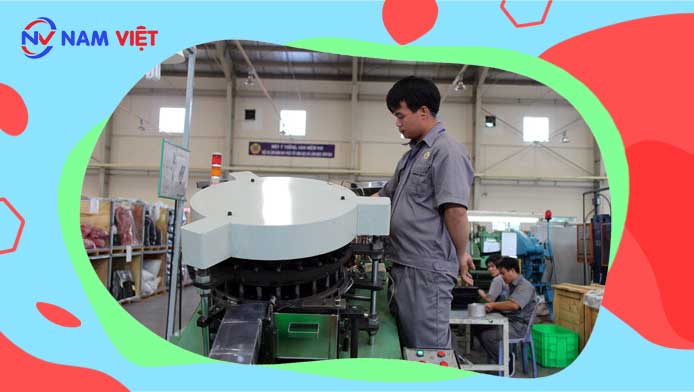
II. Employee Safety Training: Investing in Expertise and Safety Awareness
Occupational safety training is a crucial part of ensuring a safe working environment. Investing in expertise and safety awareness improves employees’ skills and understanding of risks and preventive measures in their daily work.
Through training, employees gain the knowledge and skills needed to identify and handle potential hazards in the workplace. This includes understanding and complying with safety rules and procedures, properly using personal protective equipment (PPE), and knowing how to respond and manage emergency situations.
Furthermore, safety training enhances awareness of the importance of workplace safety. Employees understand that safety is not only the management’s responsibility but a shared duty of everyone in the organization. Training and raising safety awareness fosters a culture of automatic compliance and encourages active employee participation.
Additionally, investing in safety training brings long-term benefits to the organization. Well-equipped employees reduce the risk of workplace accidents and injuries, while improving productivity and job satisfaction. This contributes to a positive work environment and attracts talented personnel. For more detailed information, you can refer to occupational safety training content according to Decree 44.

III. Conducting Risk Assessments: Identify Hazards and Implement Preventive Measures
Conducting risk assessments is an essential step in ensuring workplace safety. This helps organizations identify potential hazards in the workplace and implement effective preventive measures.
Risk assessment involves thoroughly reviewing all aspects of work and identifying dangerous factors that could harm employees. This may include inspecting equipment, workflows, work locations, materials used, and other environmental factors.
Once hazards are identified, organizations must implement preventive measures to minimize or eliminate risks. This may include improving workflows, providing PPE, ensuring compliance with safety regulations, and training employees on how to prevent and respond to hazardous situations.
Risk assessment also requires continuous monitoring and updating. Organizations should regularly review processes, technology, and work environments to ensure preventive measures remain effective and adapt to changes in the industry and workplace.
By conducting risk assessments and implementing preventive measures, organizations create a safer work environment, reduce workplace accidents, and protect employees’ health and safety. This also provides economic benefits, as reducing accidents and injuries saves costs while maintaining high productivity.
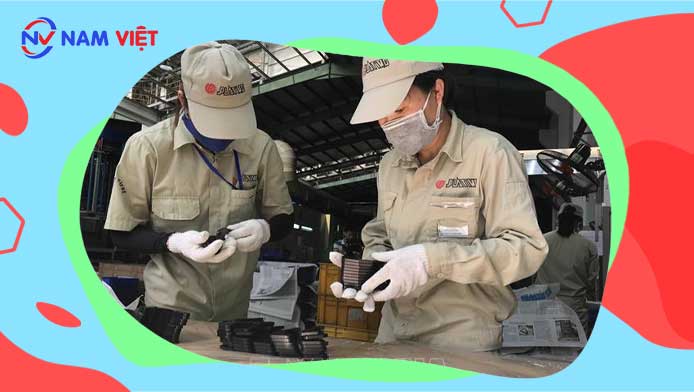
IV. Establishing Safe Work Procedures: Ensure Compliance with Standards
Establishing safe work procedures is a core factor in ensuring workplace safety. This requires defining and implementing rules and standard procedures to ensure all activities are conducted safely and comply with established guidelines.
Safe work procedures should be based on risk analysis and identification of potential hazards. Rules and procedures are then implemented to minimize and prevent possible accidents and injuries.
Setting up safe work procedures requires careful and detailed planning. Procedures should include clear guidance on using PPE, rules for handling and storing hazardous materials, and emergency measures in case of incidents.
Ensuring compliance with rules and procedures is equally important. Organizations must ensure that all employees are trained in safety regulations and procedures, with mechanisms in place for monitoring and evaluation.
Establishing safe work procedures provides many benefits. It enhances safety awareness, reduces accident and injury risks, improves productivity, and strengthens organizational reputation. Compliance also helps avoid legal consequences and saves costs related to workplace accidents. For detailed information, see occupational safety training duration according to Decree 44.

V. Using Personal Protective Equipment (PPE): Protect Employees from Potential Hazards
Using PPE is an important method to protect employees from potential hazards in the workplace. PPE such as helmets, safety glasses, gloves, reflective jackets, and safety shoes reduce the risk of injury and ensure safety.
Different jobs and environments require specific PPE. For chemical-related tasks, masks and chemical protective suits are necessary. On construction sites, helmets and safety shoes protect against material and equipment hazards.
Proper use of PPE requires employee consent and compliance. Organizations should train employees on correct use and maintenance, and conduct regular inspections to ensure effectiveness and safety.
Using PPE protects employees’ health and safety while fostering trust and care from the organization, boosting morale, reducing accidents, and creating a safe and sustainable work environment.
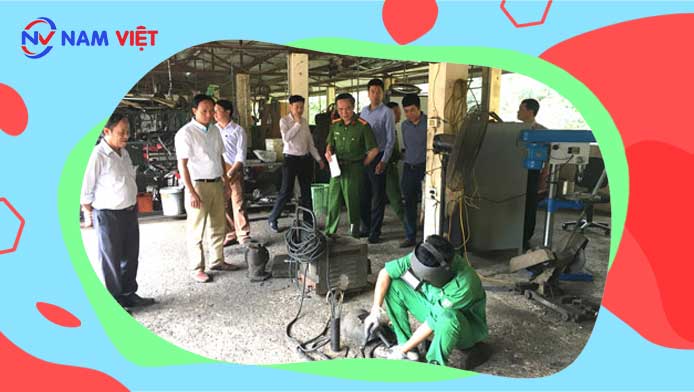
VI. Managing Workspace Quality: Create a Safe and Healthy Environment
Managing workspace quality is vital to ensure a safe and healthy environment for employees. By maintaining a quality workspace, organizations ensure employees work in a clean, well-ventilated, and healthy space.
This includes regular cleaning, equipment inspection and maintenance, safe waste disposal, and monitoring air and water quality. Proper workspace layout and comfort improve efficiency and reduce risks.
Compliance with safety and health regulations is essential. Organizations must implement all safety rules and provide safety training as part of workspace quality management.
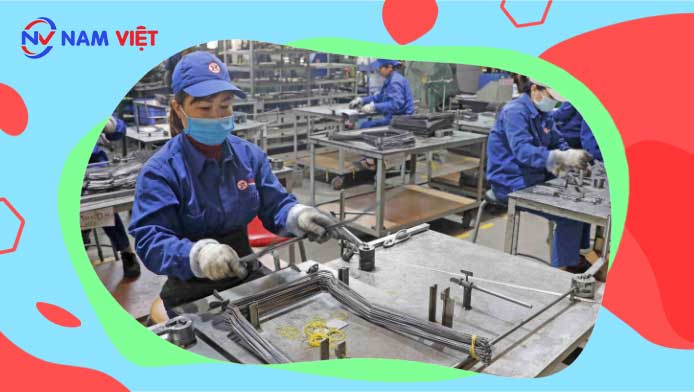
VII. Monitoring and Evaluating Effectiveness: Ensure Continuous Safety Improvement
Monitoring and evaluating effectiveness ensures safety measures are continuously implemented effectively. It includes observing daily safety activities, checking compliance, and identifying potential hazards.
Effectiveness evaluation compares performance indicators, accident statistics, and employee feedback to identify strengths and weaknesses and adjust safety measures accordingly. Continuous monitoring allows preventive actions and system improvements.
VIII. Promoting Personal Responsibility: Every Employee is Responsible for Safety
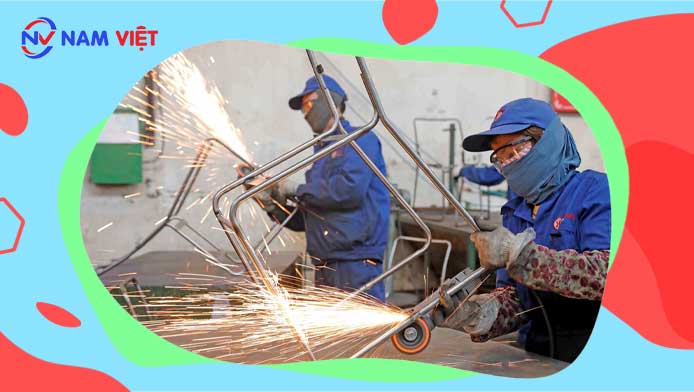
Promoting personal responsibility is key to ensuring workplace safety. Each employee must be aware of safety rules, follow procedures, use PPE properly, report hazards, and participate in safety training.
Organizations support this by providing information, training, and creating a culture that encourages sharing safety knowledge and experiences.
IX. Incident and Consequence Management: Respond Quickly and Properly to Accidents
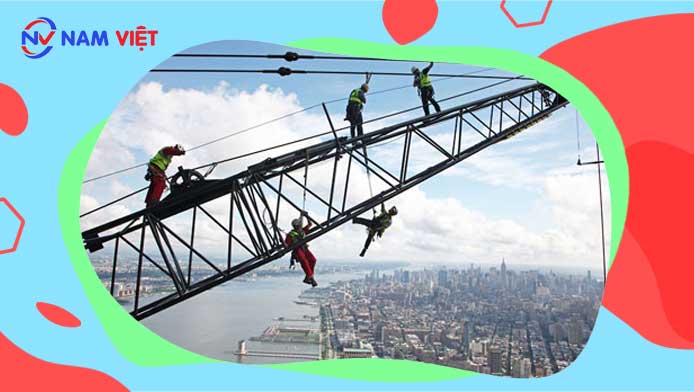
Managing incidents involves quick and proper responses to reduce damage and ensure safety. Organizations must have clear response plans, and employees should know procedures, roles, and responsibilities.
Employees should call for help, perform first aid, and take emergency measures like isolating hazards, extinguishing fires, or cutting power if necessary.
X. Continuous Improvement in Occupational Safety: Explore New Methods to Enhance the Workplace
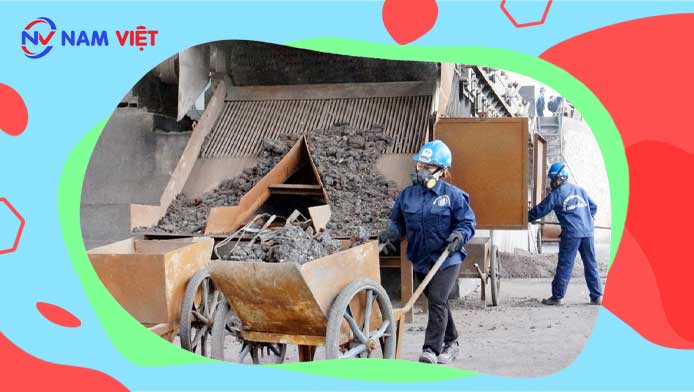
Continuous improvement in safety ensures a safe and healthy work environment. Organizations should explore and apply new methods, technologies, and equipment to reduce risks and create a safer workplace.
Employee participation is crucial. Encouraging staff to contribute ideas and share experiences fosters innovation and continuous safety improvement.
An Toàn Nam Việt is a leading provider of occupational safety training and workplace environmental monitoring services. We are proud to be a trusted partner of businesses, ensuring a safe working environment and protecting employee health.
With extensive experience and a team of top experts, we commit to providing high-quality services while meeting all occupational safety and environmental monitoring regulations.
Our services include training and raising awareness of safety regulations, handling hazardous situations, and preventive measures. We apply the latest knowledge to ensure employees work in a safe environment, minimizing risks and protecting lives.
We also provide workplace environmental monitoring using advanced equipment and methods to measure air, water, and noise quality, offering detailed reports to help businesses improve conditions and comply with laws.
Contact Information
- Nam Viet Occupational Safety Training and Environmental Monitoring Co., Ltd.
- Phone: 0908 111 791
- Email: lienhe@en.antoannamviet.com
- Website: https://en.antoannamviet.com