
Health
Causes of Excessive Skin Tags
Dec
On the journey to perfect skin care, dealing with skin tags can be a major challenge. This article will guide you through exploring the hidden causes behind the appearance of skin tags, from nutritional factors to environmental elements. At the same time, we will point out practical and effective solutions to help you achieve smooth and healthy skin. Don’t miss the opportunity to learn how to keep your skin looking youthful and radiant!
I. The problem of skin tags and the importance of understanding the causes
In the world of skin and health, skin tags are not just a cosmetic issue, but also a sign of changes within the body.
To begin, let’s consider the formation mechanism of these soft tags hanging on the skin. This is the result of a complex interaction between the skin and sunlight over a long period, causing the skin to age. Specialist Nguyen Thi Kim Dung, from Tam Anh General Hospital in Ho Chi Minh City, shared that these soft tags often appear in skin areas with high sun exposure, like the face and neck, and areas with high friction, such as the neck, armpits, under the breasts, eyelids, groin, and anus.
Furthermore, this is not just a physiological issue but is also related to subjective factors. The habit of sun exposure without proper protection is an important factor. Areas exposed to a lot of sun, like the neck and chest in women and the back and shoulders in men, are common places for skin tags to appear. Even outdoor jobs like fishing, street vending, or the habit of going shirtless in the sun also carry a higher risk.
Thus, we realize that the problem of skin tags is not merely a cosmetic issue, but also a sign of lifestyle and skin care habits. Understanding the reasons behind their formation not only helps us face this problem more consciously but also opens up the possibility of improving our quality of life and skin health.

II. Causes of skin tag formation and the connection with sunlight
Understanding the causes of skin tag formation is a crucial step for us to have effective skin care solutions. Skin tags often appear due to the negative impact of sunlight on the skin over a long period.
Sunlight contains many agents that can harm the skin, especially UVB and UVA rays. The impact of UVB rays can damage skin cells, increasing the risk of skin tag formation. Meanwhile, UVA rays can penetrate deep into the skin, stimulating the benign proliferation of skin cells, creating the characteristic hanging soft tags.
In addition, sunlight also stimulates the production of melanin, the substance that darkens the skin, to protect skin cells from the harmful effects of light. However, the increased melanin production also contributes to making skin tags darker and more prominent on the skin surface.

III. Skin tags and the condition of benign skin proliferation
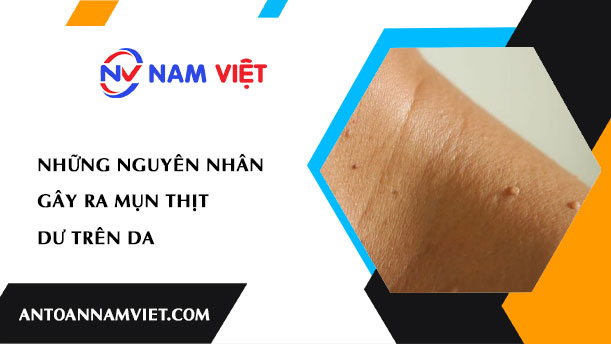
Skin tags, also known as acrochordons, are a special condition of the skin, characterized by the benign proliferation of skin cells. These soft tags usually have a smooth surface, often growing from a stalk or papule, and are raised above the skin surface.
These soft tags often have characteristic colors such as black, yellow, brown, or skin-toned, and typically form in locations with high sun exposure, like the face and neck, and areas with high friction, such as the neck, armpits, under the breasts, eyelids, groin, and anus.
The size of these soft tags can range from 1-10 mm, but in many cases, the size can reach 3 cm, or even larger. People over 50 are the primary group affected by this condition, and the proliferation rate of these soft tags occurs over about 3-4 years.
We can better understand this benign skin proliferation when we grasp these characteristics. The appearance of skin tags often depends on both subjective and objective factors, such as the duration of sun exposure and climatic characteristics. This helps us understand why people with long-term habits of sun exposure, such as outdoor workers, are at a higher risk. At the same time, the sunlight in tropical monsoon climates is also an important factor, creating conditions for this benign skin proliferation.

IV. Subjective factors such as sun exposure time and lifestyle habits
Subjective factors play a significant role in the formation and development of skin tags. Sun exposure time and lifestyle habits both contribute greatly to the appearance of these characteristic soft tags.
The habit of long-term sun exposure is carefully considered, especially in common areas like the neck and chest in women and the back and shoulders in men. People who are frequently exposed to sunlight, such as outdoor workers or those with a habit of going shirtless in the sun, are at a higher risk of developing skin tags. This is mainly due to the negative impact of UVB and UVA rays, which damage skin cells and stimulate their benign proliferation.
Gender also plays an important role, with women often facing a higher risk in areas like the neck and chest, which are frequently exposed to sunlight. Meanwhile, men often have an increased risk on the back and shoulders due to outdoor activities or lifestyle habits.
In general, understanding subjective factors like sun exposure time and lifestyle habits not only helps us assess the risk but also opens up opportunities for effective prevention and skin care, reducing the risk of developing and increasing skin tags.

V. Tropical monsoon climate and harsh sunlight affect skin aging
The tropical monsoon climate not only brings characteristic weather experiences but also has a profound impact on skin aging. Harsh sunlight and these climatic features are decisive factors contributing to the skin aging process in older adults.
In tropical monsoon climate regions, sunlight is frequent and intense, containing high levels of UVB and UVA rays. The strong impact of these agents is one of the main reasons skin becomes aged. The impact of UVB rays causes direct damage to skin cells, while UVA rays can penetrate deep into the skin, stimulating the benign proliferation of skin cells.
In particular, the harsh sunlight in this climate also increases the production of melanin, the substance that darkens the skin to protect it from the negative effects of light. However, the increased melanin production also means the skin’s microbial resistance becomes weaker, and it is more prone to showing signs of aging.
Understanding how the environment affects skin aging is key to applying effective protective measures, from using sunscreen to maintaining skin hydration. This helps reduce the environmental impact and best protect the skin from aging.

VI. Preventive measures such as wearing a hat, covering up, and using sunscreen
Given the increasing impact of sunlight and environmental factors, implementing the right preventive measures is key to keeping skin healthy and preventing the formation of skin tags.
- Wearing a Hat: Wearing a hat is a simple and effective measure to protect the face from the direct impact of harmful agents in sunlight. A hat helps cover a large part of important skin areas, such as the head, face, and neck, reducing the risk of direct UV ray impact.
- Covering Up: Choosing clothing that covers the body is another way to protect the skin from the sun’s impact. Long-sleeved shirts and long pants not only help protect the skin from UV rays but also help keep the body cool on hot, sunny days.
- Using Sunscreen: Sunscreen is an important tool in protecting the skin from the harmful effects of UV rays. Choose a sunscreen with an SPF appropriate for your skin’s needs and reapply it regularly, especially during prolonged sun exposure.

VII. Effects of skin tags when not cared for properly
Skin tags, although benign, can have many undesirable effects on the skin and overall health if not cared for properly.
- Infection: Arbitrarily burning or tying off skin tags can lead to infection if hygiene rules are not followed. If this is done by an untrained person, it can cause a risk of infection, pain, and bad scarring.
- Bleeding and Bad Scarring: Large skin tags can bleed if injured. Attempting to remove them yourself can cause bleeding and lead to bad scarring if the wound is not cared for properly.
- Increased Risk of Recurrence and Pain: Removing skin tags without following medical procedures can increase the risk of recurrence. At the same time, it can cause pain and discomfort for the patient.
- Impact on Aesthetics: Depending on the location and size of the skin tag, careless removal can affect aesthetics and the surrounding skin, especially on the face.
- Causing Psychological Impact: Self-treating skin tags can create psychological stress, especially when the patient is worried about their appearance and the after-effects of the removal process.

An Toan Nam Viet – a leading unit in providing occupational safety training and workplace environmental monitoring services. We are proud to be a trusted partner for businesses, helping ensure a safe working environment and protecting workers' health.With extensive experience and a team of top experts, we are committed to delivering high-quality services while meeting all regulatory requirements on occupational safety and environmental monitoring.
Our occupational safety training services include educating and raising awareness among employees about safety regulations, equipping them with skills to handle dangerous situations, and implementing accident prevention measures. We continuously update and apply the latest knowledge to ensure your employees always work in a safe environment, minimizing the risk of occupational accidents and protecting their lives.
With our workplace environmental monitoring services, we use the most advanced equipment and methods to measure, monitor, and analyze the quality of air, water, and noise in the working environment. We provide detailed and accurate reports on pollution levels, helping businesses implement solutions to improve working conditions, ensure legal compliance, and create a healthy workplace for employees.
Contact Information:
- Nam Viet Occupational Safety Training and Environmental Monitoring Co., Ltd.
- Phone: 0908 111 791
- Email: lienhe@en.antoannamviet.com
- Website: https://en.antoannamviet.com