
Working environment factors
How does nitrogen dioxide (NO2) affect workers’ health?

Jun
Nitrogen dioxide (NO2) is a common gas in industrial work environments. It is mainly produced from the combustion of fuels such as coal, oil, natural gas, etc., in power plants, manufacturing facilities, and vehicles. This is an air pollutant that not only affects the natural environment but also poses significant health risks to workers in these environments.
Workers exposed to NO2 for prolonged periods face the risk of poisoning and serious health issues. Besides causing irritation to the eyes, throat, and lungs, NO2 can lead to pneumonia, respiratory failure, and increase the risk of respiratory diseases such as asthma and bronchitis. Additionally, long-term exposure to NO2 may increase the risk of cardiovascular diseases and negatively impact the nervous system and immune system.
Facing the negative effects of NO2, awareness and actions to protect workers’ health become extremely important. Enhancing knowledge about the impacts of NO2 and implementing preventive and pollution control measures are crucial to ensuring a safe and healthy working environment for employees.
1. What is Nitrogen dioxide (NO2)?
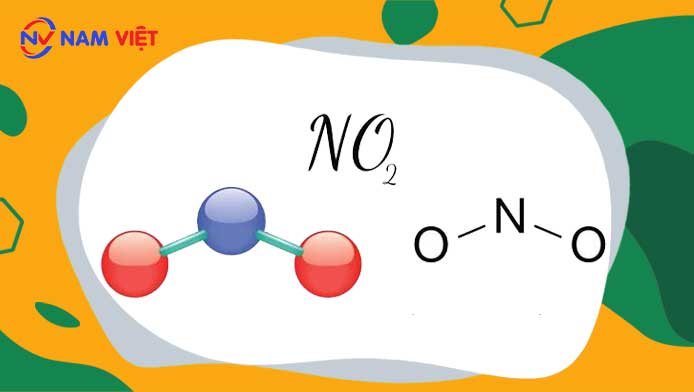
Nitrogen dioxide (NO2) is a colorless, odorless gas also known as Nitrite or nitrogen dioxide. It is one of the key components of air and occurs both naturally and in industrial production and transportation processes.
NO2 is primarily generated from fuel combustion such as coal, oil, natural gas, etc. The main sources of NO2 emissions are power plants, manufacturing facilities, vehicles, and other industrial activities. When these fuels are burned, nitrogen in the air combines with oxygen to form NO2.
NO2 is commonly found in soil and water. It is an intermediate in industrial synthesis of nitric acid, or in water, it is a product of oxidation processes carried out by bacteria, converting ammonia to nitrite and eventually to nitrate.
2. What are the sources of NO2 in production processes?
NO2 mainly originates from industrial production and transportation activities. Some primary sources of NO2 in production include:
- Power plants are usually the main source of NO2. The combustion of fuels produces emissions containing NO2 released into the air.
- Industries such as chemicals, steel manufacturing, ceramics production, etc., also contribute to NO2 emissions. The production and processing in factories often involve fuel use and incomplete combustion, leading to NO2 release into the workplace environment.
- Vehicles contribute significantly to NO2 emissions. Cars, trucks, and other vehicles use fuel combustion engines, releasing NO2 into the atmosphere through exhaust.
- Additionally, mining, waste treatment, forest burning, and coal burning activities can increase NO2 concentrations in the environment.
To reduce NO2 emissions from these sources, pollution control measures, cleaner fuel usage, and effective exhaust treatment technologies are necessary.
3. Occupations exposed to NO2 that are hazardous to workers
Some occupations expose workers to NO2 posing health risks. Major occupations with potential hazards from NO2 exposure include:
- Chemical manufacturing plants, where production, operation, and chemical handling may generate NO2 gas.
- Metal processing industries, including workers in metallurgy, metal fabrication, welding, etc., exposed to NO2 from fuel combustion and metal processing.
- Thermal power industry.
- Ceramics production, including drying and firing processes, where workers may be exposed to NO2 from high temperatures and fuel combustion.
- Metallurgy (steel, aluminum, zinc production), generating NO2 during fuel combustion and metal processing.
- Oil and gas industry: oil refining, drilling, and gas production workers may encounter NO2 from extraction, processing, and transportation activities.
- Workers in waste treatment plants may be exposed to NO2 from waste processing and burning.
- Other occupations or jobs with NO2 exposure.

4. How NO2 affects workers’ comfort
NO2 can negatively affect workers’ comfort in the workplace. Key impacts of NO2 on worker comfort include:
- Respiratory irritation causing coughing, shortness of breath, or discomfort in the throat and lungs, reducing comfort and work performance.
- Health effects: NO2 may cause pneumonia, respiratory failure, and increase the risk of respiratory diseases such as asthma and bronchitis. Workers with preexisting respiratory conditions may experience worsened symptoms.
- Cardiovascular effects: increased risk of heart disease and hypertension.
- Continuous exposure to NO2 can cause fatigue, reduce energy, affect sleep quality, and lead to mental and physical health issues, resulting in discomfort.
- Polluted work environments with NO2 can cause stress and negatively impact workers’ mental well-being, affecting focus and morale.
5. Permissible NO2 exposure levels in the workplace
According to QCVN 03:2019/BYT National Technical Regulation on the permissible exposure limits for 50 chemical agents in the workplace:
Table 1. Maximum permissible exposure limits for chemical agents in the workplace.
Unit: mg/m3
| No. | Chemical name | Chemical name in English | Chemical formula | Molar mass | CAS number | TWA (8h) | STEL (15min) | IARC classification |
| 38 | Nitrogen dioxide | Nitrogen dioxide | NO2 | 46.01 | 10102-44-0 | 5.0 | 10 | – |
6. Diseases caused by long-term exposure to hazardous NO2
Long-term exposure to NO2 (nitrogen dioxide) can cause various health problems. Some diseases related to prolonged NO2 exposure include:
- Lung diseases: NO2 can cause pneumonia and negatively affect the respiratory system. People with chronic respiratory conditions such as asthma may suffer more severe damage.
- Cardiovascular effects: increased risk of angina, heart attacks, and other heart-related issues.
- Immune system effects: higher susceptibility to infections and immune-related health problems.
- Neurological effects: some studies suggest NO2 may negatively affect the nervous system, causing headaches, dizziness, fatigue, and difficulty concentrating.
- General health effects: symptoms like poor sleep, fatigue, low energy, and reduced quality of life.
To protect health, it is recommended to limit exposure to NO2 and live in areas with good air quality, using air purifiers, minimizing pollution-causing activities, and following workplace safety regulations.

7. Measures to reduce NO2 impact on workers’ health
To minimize NO2 effects on workers’ health, the following measures can be applied:
- Assess NO2 levels in the workplace to determine concentrations and implement appropriate control measures, including providing NO2 monitoring equipment and regular inspections.
- Optimize work processes to reduce NO2 exposure, using advanced technology, redesigning work tasks, and enhancing ventilation and exhaust systems.
- Ensure effective ventilation and exhaust systems in areas with high NO2 levels to remove pollutants from the air.
- Provide personal protective equipment such as gas masks to reduce NO2 exposure, ensuring proper use and maintenance.
- Worker training: Train workers on protective measures to safeguard their health in hazardous environments.
- Periodically conduct workplace environmental monitoring in factories, collect and analyze harmful factors, and adjust processes to prevent occupational diseases.
Implementing preventive and protective measures and following strict safety protocols are essential to reduce NO2 impact on workers’ health.
8. National labor environment monitoring center
Nam Viet Labor Environment Monitoring Center is a professional unit for monitoring and measuring workplace environmental quality across all provinces in Vietnam. With a team of experienced monitoring specialists, the center uses modern equipment to ensure accuracy and reliability.
REGISTER WORKPLACE ENVIRONMENT MONITORING SERVICE
Besides monitoring services, the center assists clients in planning, handling, and following up on workplace environmental issues. With the motto “customer first,” the center focuses on client satisfaction and provides optimal solutions for businesses.
With investments in technology, equipment, and skilled personnel, Nam Viet monitoring center has become a reputable unit in workplace environmental monitoring in Ho Chi Minh City, with the following goals:
- We value our brand reputation and the quality of our services.
- We provide clients with the best and most suitable solutions.
- Supported by experienced Masters and Engineers, aiming to protect the environment and benefit businesses.

- With Nam Viet Monitoring Team, companies will receive professional service from experts and enjoy the best cost incentives.
9. Workplace environmental monitoring pricing
To help businesses conduct professional and effective workplace environmental monitoring, Nam Viet provides clients with a pricing table for workplace monitoring services that is high-quality and cost-effective.
- Our pricing table provides detailed information on the cost of monitoring services, including transportation, measurement, analysis, and reporting. Clients can rely on the accuracy and reliability of our monitoring reports.
- We commit to competitive and reasonable pricing and are ready to answer any inquiries quickly and professionally.
- With Nam Viet’s pricing table, clients can easily select service packages that fit their needs. We strive to provide the highest satisfaction with professional service quality.