
Environmental pollution
What is soil pollution?
Apr
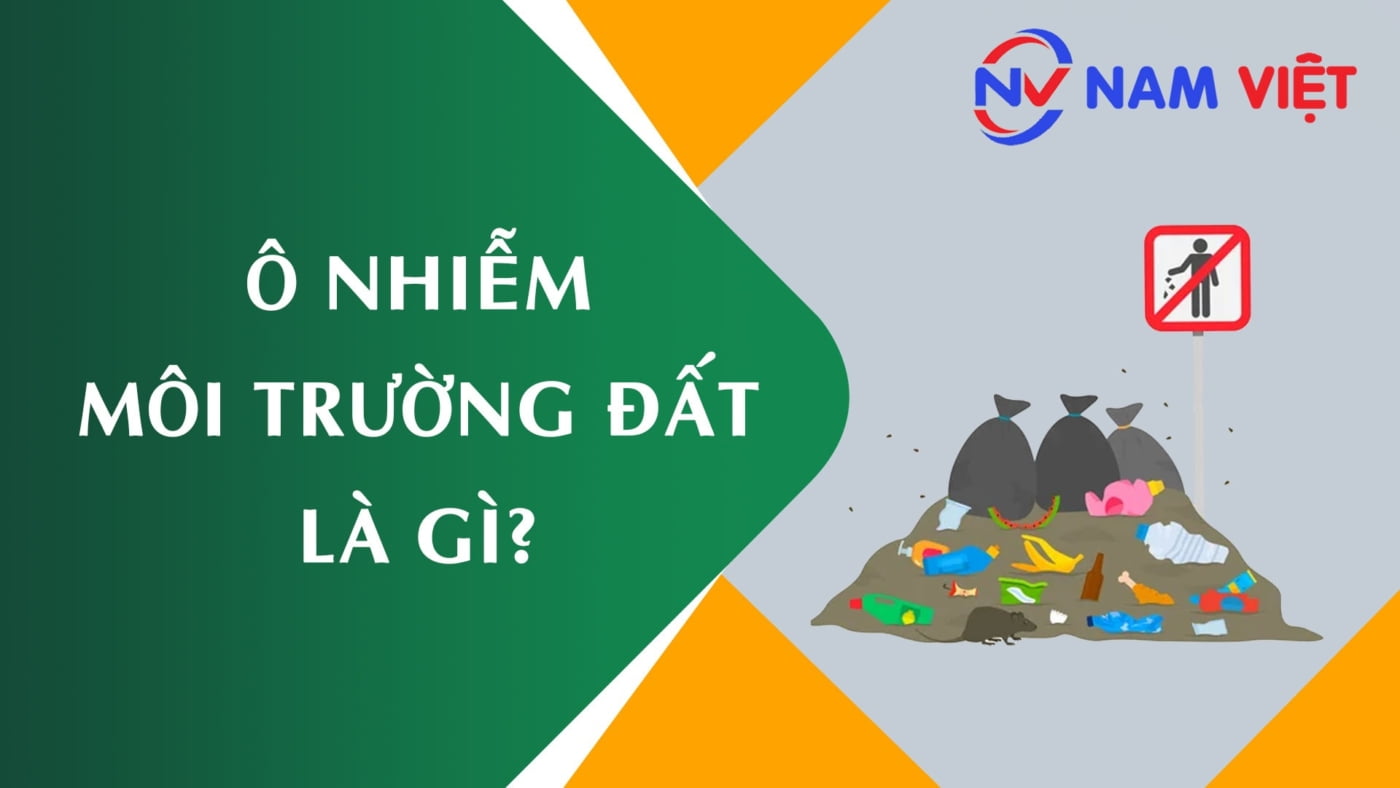
Soil Environmental Pollution
is the accumulation of toxic substances in the soil caused by human activities or natural processes, negatively affecting human health, animals, and ecosystems. Sources of soil pollution include industrial activities, agriculture, pesticide use, waste discharge and municipal waste, mining operations, and construction activities.
1. What is Soil Pollution?
- Soil pollution is a part of land degradation due to the presence of xenobiotic chemicals (human-made) or other changes in the natural soil environment. It is often caused by industrial activities, agricultural chemicals, or improper waste management.
- Toxic substances in soil include various types such as heavy metals (lead, mercury, cadmium); organic compounds like dioxins, PCBs, pesticides; and radioactive materials. These toxic substances can seep into the soil and spread to surrounding areas, causing serious issues such as food contamination, reproductive decline, and health problems in humans and animals.

To reduce soil pollution, environmental protection measures are needed such as waste recycling, using organic fertilizers, adopting safe waste treatment techniques, and enforcing strict monitoring standards to control emissions and hazardous waste.
2. Causes of Soil Pollution
The causes of soil pollution are diverse and complex, stemming from both human activities and natural impacts. Some common causes include:
- Industry and manufacturing: Industrial production activities release waste, emissions, and toxic substances such as heavy metals, chemicals, dioxins, and PCBs, contaminating the soil.
- Agriculture: The use of fertilizers, pesticides, and herbicides increases the concentration of harmful chemical compounds in the soil.
- Waste management: Improper disposal of municipal waste, especially hazardous waste such as batteries, electronics, insecticides, paint, and lubricants, leads to soil contamination.
- Resource extraction: Mining and the extraction of natural resources such as oil, coal, and metal ores also affect the surrounding soil.
- Natural impacts: Natural phenomena like landslides, floods, storms, and earthquakes can also cause soil pollution by redistributing contaminated soil and toxins.

3. How Soil Pollution Affects Us
a. Health
- Human health: Some toxic substances in soil can cause various health issues such as cancer, allergies, cardiovascular diseases, neurological disorders, and infertility. Food contamination is also a major concern.
- Plants: Toxic substances can reduce yield, quality, and vitality of crops. They also negatively impact biodiversity, reproductive systems, and plant growth.
- Animals: Soil contamination affects the health and reproductive ability of animals. Toxic substances can accumulate in animal feed, causing food poisoning in both animals and humans.
b. Ecosystem

- Reduced biodiversity: Soil pollution decreases biodiversity within ecosystems, leading to the loss of plant, animal, and microbial species living in the soil. It can also alter the structure of soil biological communities.
- Declining soil quality: Toxic substances degrade soil quality, making it less fertile and harder to cultivate.
- Destruction of natural filtration: Soil pollution destroys the soil’s natural filtration mechanisms, preventing the removal of toxic substances from the environment.
- Impact on hydrological cycles: Toxic substances disrupt soil hydrolysis cycles, causing chemical imbalances.
- Affecting biological processes: Soil pollution impacts biological processes such as organic decomposition, soil formation, and nutrient supply for plants.
4. Solutions to Soil Pollution
To address soil pollution, the following solutions can be implemented:
- Waste management: Minimize waste and treat it safely, especially in industrial and urban areas.
- Recycling and reuse: Recycle and reuse materials such as metal, paper, plastic, and wood to reduce waste and environmental impact.
- Green environmental treatment: Use green environmental solutions to create green living spaces, including trees, vegetable gardens, green zones, and community recreational areas.
- Soil treatment methods: Apply soil treatment methods such as mud capping, composting, soil containment, and adding beneficial microorganisms to restore contaminated soil.
- Wastewater treatment: Treat wastewater and industrial waste before releasing it into the environment.
- Control fertilizer and pesticide use: Reduce toxic chemical discharge into soil by controlling usage.
- Enhanced monitoring and management: Strengthen training, monitoring, and management activities related to soil pollution.

5. Measures to Protect Soil Environment
To protect soil, several measures can be implemented:
- Minimize the use of harmful substances: Reduce the use of chemicals, fertilizers, pesticides, and other chemical products that negatively impact soil.
- Recycling and reuse: Reduce waste generation and environmental impact through recycling and reusing materials.
- Safe waste treatment: Ensure safe waste disposal, especially in industrial areas.
- Green environmental methods: Create green spaces such as tree zones, vegetable gardens, and public recreational areas to reduce soil pollution.

- Soil treatment techniques: Use methods like mud capping, composting, soil containment, and adding beneficial microorganisms to help restore polluted soil.
- Wastewater and industrial waste treatment: Treat waste before releasing it into the environment.
- Enhanced monitoring and management: Strengthen oversight of soil pollution to minimize negative impacts.
- Community awareness: Raise community awareness about soil pollution and encourage participation in environmental protection activities.
- Green economic development: Prioritize renewable energy, sustainable agriculture, and recycling industries to reduce environmental impact.
- Investment in environmental research: Develop new soil and wastewater treatment technologies to reduce soil pollution.