
Identification and prevention
Preventing hazards when working on construction sites

03
Apr
Apr
Working on a construction site after being equipped with knowledge on identifying and preventing potential hazards during work.
1. Types of Construction Works
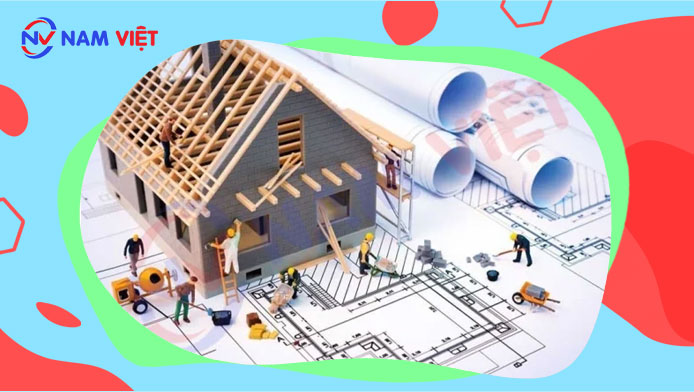
Construction sites are the final products of construction production activities to create a building at the construction location. Accordingly, construction works are classified into the following types:
- Civil works
- Educational and training facilities
- Healthcare facilities
- Sports facilities
- Cultural facilities
- Markets
- Religious facilities
- Government offices, political organizations, socio-political organizations
- Industrial works
- Construction material production facilities
- Metallurgy and mechanical fabrication facilities
- Mining and mineral processing facilities
- Oil and gas facilities

- Technical infrastructure works
- Water supply facilities
- Drainage facilities
- Solid waste treatment facilities
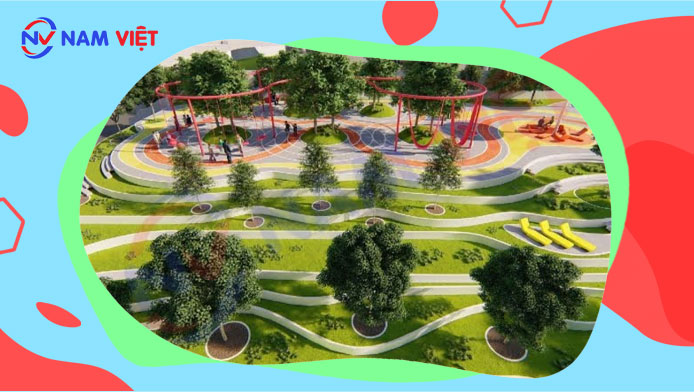
- Green parks
-
- Cemeteries, funeral homes, cremation facilities
- Parking garages; vehicle, machinery, and equipment yards
- Telecommunication cable routes
- Transport works
- Road works
- Railway works
- Bridge works

-
- Inland waterway works
- Maritime works
- Aviation works
- Agricultural and rural development works
- Irrigation works

-
- Dyke and embankment works
- Defense and security works
2. Identifying Hazardous Areas on a Construction Site
Hazardous areas on a construction site are zones that contain dangerous elements, including but not limited to the following types:
- Areas with exposed power lines, electricity transmission lines, electrical substations, power supply equipment, or areas under electrical installation.
- Areas at risk of fire or explosion due to welding, cutting, or other heat-generating activities.
- Areas storing explosives, flammable or explosive substances, and other hazardous chemicals.

- Areas storing materials, components, products, or equipment that may slip or collapse.
- Areas with openings or pits, or zones at risk of subsidence.
- Areas with trees that may fall, areas under or on slopes, hills, or steep soil/rock surfaces.
- Sloped surfaces at risk of landslides; gaps in construction at risk of falling.
- Areas with vehicles, machinery, boats, rafts, or floating equipment.
- Existing structures that may collapse without reinforcement or support.
- Areas at risk from falling or toppling objects.
- Areas near ponds, lakes, streams, rivers, or the sea.
- Construction zones on or under water.
- Areas testing pressurized equipment or pipelines.
- Confined spaces that pose serious injury risks to workers inside or near the space.
- Areas not yet cleared of unexploded ordnance or explosives.