
Agriculture
The Impact of Weather and Environment on Agricultural Occupational Safety

Jan
In agricultural life, weather and environment play a decisive role in occupational safety. This article will lead you to explore the complex interaction between these factors and occupational safety in the agricultural industry. From impacts to coping measures, we will convey the message about the importance of understanding and responding to this special working environment. Join us to discover innovative solutions and strategies to improve safety, from using technology to preventive measures. Immerse yourself in the dynamic world and learn from the constant impacts of weather and environment on agricultural labor.
I. Agriculture and its link to occupational safety in the context of changing weather and environment
In the context of increasingly unpredictable weather and environmental changes, agriculture is facing great challenges. Weather instability, climate change, and the impact of environmental factors can have far-reaching effects on productivity and food security. In this context, raising the question of occupational safety in the agricultural industry becomes increasingly important.
Agriculture is not only an important source of food supply but also contributes to the economy and at the same time creates many job opportunities. However, people working in this industry often have to face harsh and uncertain working conditions. Occupational safety in the agricultural environment not only affects the health and safety of workers but is also directly related to the sustainability of the industry.
To face these challenges, building a link between agriculture and occupational safety becomes extremely important. In this way, we can not only ensure safety for those who work but also enhance resilience to weather and environmental changes. It is not just about protecting people but also about protecting the agricultural industry from complex global challenges.

II. Specific weather factors and how they affect agricultural occupational safety
Specific weather can create unforeseen risks in the agricultural industry, significantly affecting occupational safety. Factors such as heavy rain, flash floods, storms, and even climate change increasingly raise the likelihood of occupational accidents. Farmers and workers in this field must face unstable and frequently changing working conditions.
Heavy rain and flash floods can cause risks of inundation, landslides, and many other negative impacts on agricultural infrastructure. This not only reduces work efficiency but also increases the risk of accidents. Storms and other severe weather can create safety risks in the use of equipment, especially when working outdoors.
To face the unforeseen risks from specific weather, it is necessary to have appropriate prevention and response measures. Training employees on how to respond to emergency situations and apply safety measures is important. Furthermore, introducing flexible regulations and procedures to adapt to weather changes will play an important role in minimizing risks and protecting workers in the agricultural industry.

III. The unique characteristics of the agricultural work environment and its impact on safety
Agriculture poses unique challenges to occupational safety, requiring a deep understanding of the work environment and risk factors. During occupational safety training, focusing on the unique characteristics of the agricultural environment is important.
The agricultural work environment often faces many factors such as soil, weather, and various chemicals used in production. For those working in this industry, understanding how these factors impact health and safety is important to be able to implement preventive measures.
Occupational safety training in agriculture needs to focus on teaching how to deal with the unique characteristics of this work environment. This includes the correct use of personal protective equipment, identifying risks from agricultural machinery and equipment, as well as safety measures when working in severe weather conditions. Only by combining solid knowledge of agriculture and occupational safety training can workers work effectively and safely in this unique environment.

IV. Specific measures to minimize risks and enhance occupational safety.
To create harmony between the work environment and occupational safety in agriculture, it is necessary to propose and implement specific measures to minimize risks. One of the most effective ways is to ensure everyone involved in production activities has an Occupational Safety Certificate.
Specific measures may include providing adequate quality personal protective equipment appropriate for the working conditions. At the same time, education and training are both important so that employees have solid knowledge about safety and know how to use protective equipment correctly.
In addition, developing specific safety procedures and rules for each job helps reduce the risk of accidents. This includes periodic inspection and maintenance for agricultural machinery and equipment.
An Occupational Safety Certificate is not just proof of skill, but also a worker’s commitment to safety rules. At the same time, introducing specific measures and combining them with having the Certificate will create a safe, effective, and sustainable working environment in the agricultural sector.
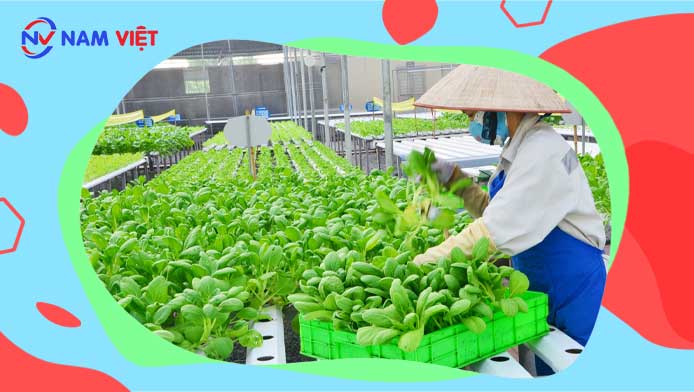
V. Advanced technologies and their role in improving occupational safety
Facing harsh weather and environments, agriculture needs to seek support from advanced technologies to improve occupational safety. These technologies not only help minimize risks but also enhance production efficiency.
Some advanced technologies such as smart sensors, remote monitoring systems, and automated machinery are playing an important role in reducing labor pressure and accident risks. Sensors can monitor environmental conditions such as temperature, humidity, and toxicity levels, providing detailed information to help managers make safe decisions.
Remote monitoring systems allow managers to track the work environment and employee activities without needing to be on-site. This helps them implement timely safety measures and manage risks remotely.
Automated machinery helps reduce the labor required for dangerous and difficult jobs, lessening workers’ direct exposure to hazardous factors. Integrating these technologies not only enhances occupational safety but also improves productivity and efficiency in the harsh working environment of agriculture.

VI. Successful strategies from countries with developed agriculture to apply in specific contexts
Strategies to improve occupational safety in agriculture require learning from countries with developed agriculture. Researching and applying successful strategies from these countries can help improve working conditions and reduce accident risks.
Some countries have succeeded in improving agricultural occupational safety by investing in research and technology development. Automated monitoring systems, modern protective equipment, and specialized training for workers are important factors in their strategies.
In particular, building strict policies and regulations also plays an important role in creating a safe working environment. Many countries have established specific safety standards for agriculture, including periodic training and regular inspections to ensure compliance.
Applying these experiences and strategies to the specific context of each agricultural country can create significant improvements in protecting workers and optimizing production efficiency in the agricultural sector.

VII. Key points and questions about the future of agricultural occupational safety in the context of changing weather and environment
We are facing a challenging period of simultaneous change and environmental challenges in the agricultural industry. Summarizing the key points about occupational safety is an important step to face these challenges. We have discussed the importance of investing in technology, enhancement strategies from developed countries, and measures to prevent occupational accidents.
However, with the constant changes in weather and environment, we need to ask important questions about the future of agricultural occupational safety. How can we adjust our strategies to face increasingly complex climate change? How can we integrate the latest technological advancements to ensure a safe and effective working environment?
These questions are an opportunity for us to collectively determine the direction for the future, where occupational safety is not just a priority but also a crucial key to achieving sustainability and success in the agricultural industry.

VIII. Occupational Safety Training Capability of An Toan Nam Viet
An Toan Nam Viet is a reputable and high-quality center specializing in occupational safety training (in many different languages such as English, Chinese, Japanese, Korean….) in Vietnam today. With occupational safety training sessions held continuously at production workshops, factories, or construction sites across the country (63 provinces in Vietnam).
REGISTER FOR OCCUPATIONAL SAFETY TRAINING SERVICES
Occupational safety training license
- An Toan Nam Viet has been inspected and granted a certificate of eligibility for occupational safety and health training activities by the Department of Work Safety – Ministry of Labour, Invalids and Social Affairs. This further strengthens our capacity in occupational safety training activities.

Materials and lectures
- Before occupational safety training materials are used in OSH training courses, they are reviewed and censored to ensure that the lectures are always factually correct and effective when applied.
- The teaching methods of the instructors are synchronized according to An Toan Nam Viet’s teaching standards, which are methods that experts in occupational safety and health training have researched and concluded during the teaching process to bring the highest knowledge acquisition efficiency for trainees.
Facilities
- Controlling factors in the classroom that affect the training process will increase teaching efficiency and the effectiveness of trainees’ knowledge acquisition.
- Our facilities supporting the training course always arrange spacious classrooms that meet standards for area, lighting, training equipment …etc…
IX. Nationwide occupational environment monitoring center
Nam Viet’s occupational environment monitoring center is a professional unit for monitoring and measuring the quality of the working environment across all provinces in Vietnam. With a team of experienced monitoring specialists, the center uses modern measuring equipment, ensuring accuracy and reliability.
REGISTER FOR OCCUPATIONAL ENVIRONMENT MONITORING SERVICES
In addition to providing monitoring services, the center also supports clients in planning, handling, and tracking occupational environment issues. With the motto “the customer is the center”, always bringing customer satisfaction, meeting all customer needs, and committing to providing the best solutions for businesses.
With investment in techniques, technology, and personnel, Nam Viet’s monitoring center has been and is becoming one of the reputable units in the field of occupational environment monitoring in Ho Chi Minh City with the following objectives:
- We always value our brand reputation and the quality of our products and services.
- We provide customers with the best and most suitable things possible.
- Along with a team of experienced Masters and Engineers with expertise and a desire to protect the environment and benefit businesses.
- Coming to the Nam Viet Environmental Monitoring team, your company will receive professional service with experts in the monitoring field. At the same time, you will get the best cost incentives.
The occupational environment monitoring process at Nam Viet includes the following basic steps:
- Before performing occupational environment monitoring, our company always ensures that machinery and equipment serving occupational environment monitoring are calibrated and verified in accordance with legal regulations.
- Implement the occupational environment monitoring process correctly and fully as committed to the Department of Health.
- Truthfully report the occupational environment monitoring results to the employer.
- In case the occupational environment monitoring results do not ensure safety for employees, Nam Viet company will support proposing remedial solutions and the labor facility will implement as follows:
- Implement measures to improve working conditions to minimize the impact of harmful factors and prevent occupational diseases.
- Organize health check-ups for early detection of occupational diseases and work-related diseases for employees in positions with unsecured working environments.
- Provide in-kind benefits to employees according to the provisions of labor law.