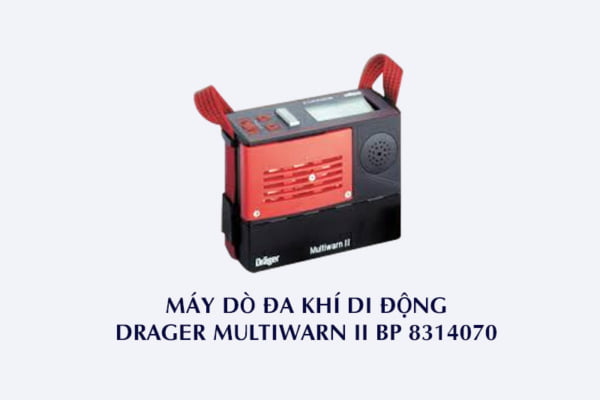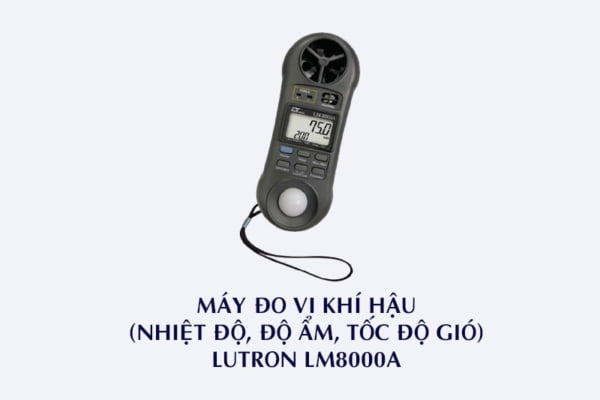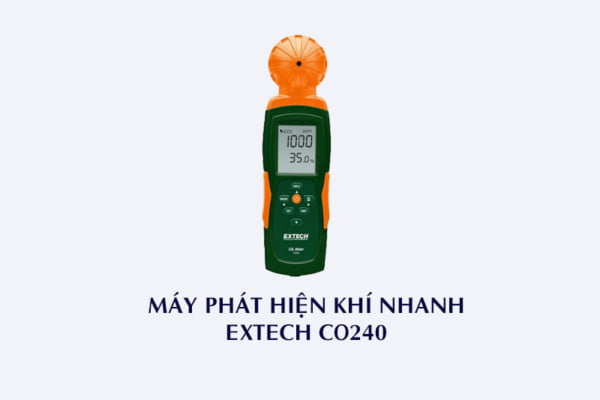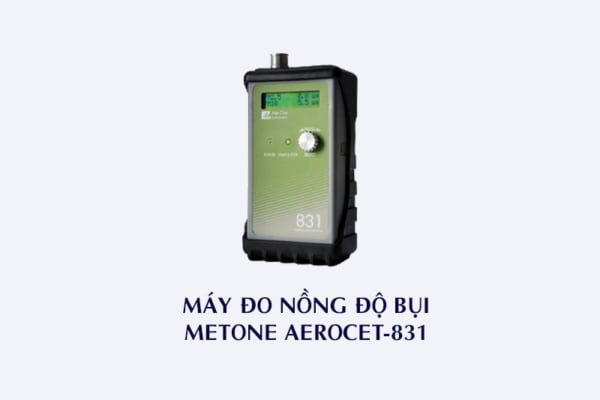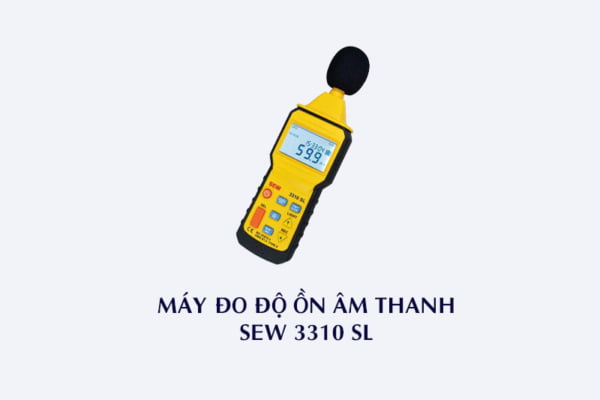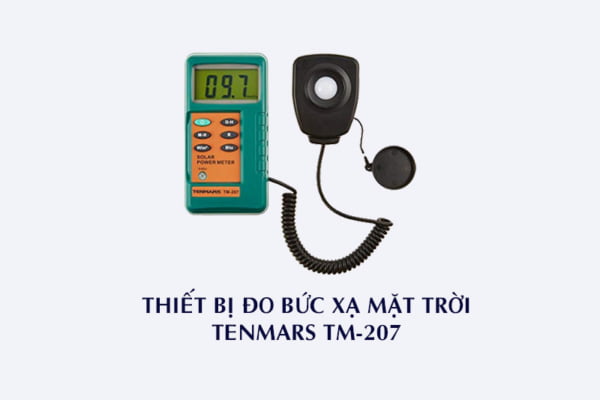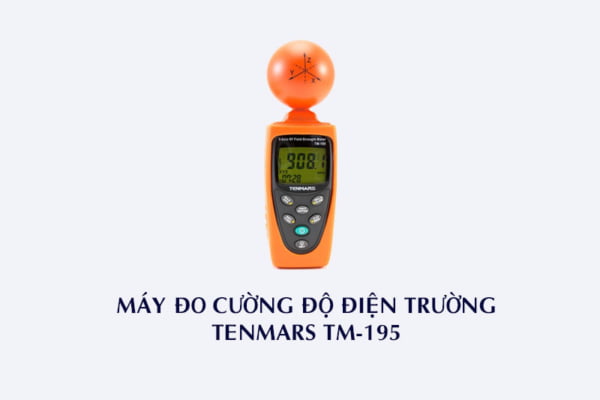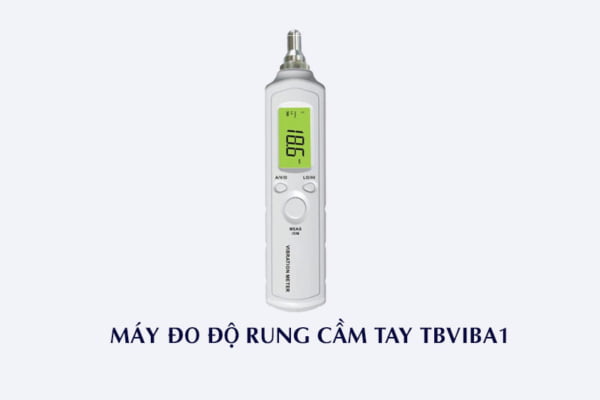
Environmental monitoring
Environmental monitoring equipment
Apr
I. What is Environmental Monitoring Equipment?
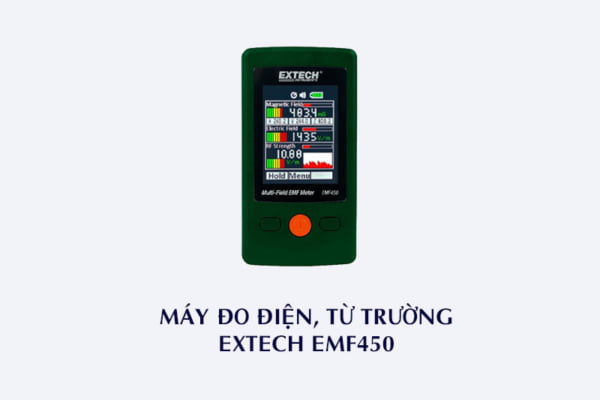
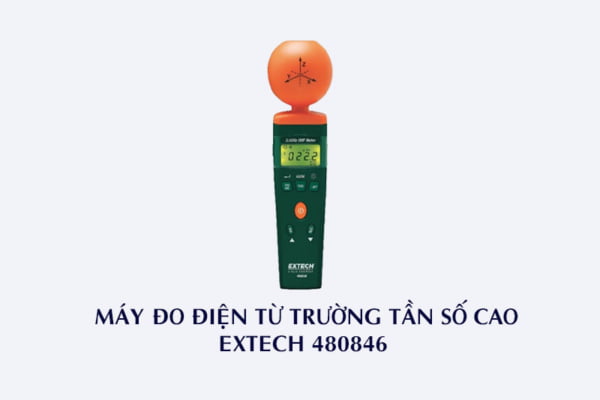
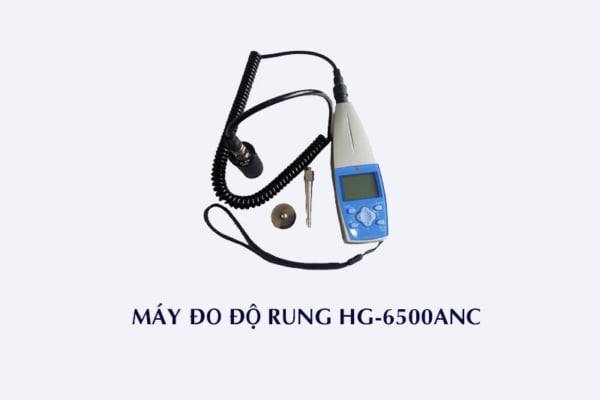
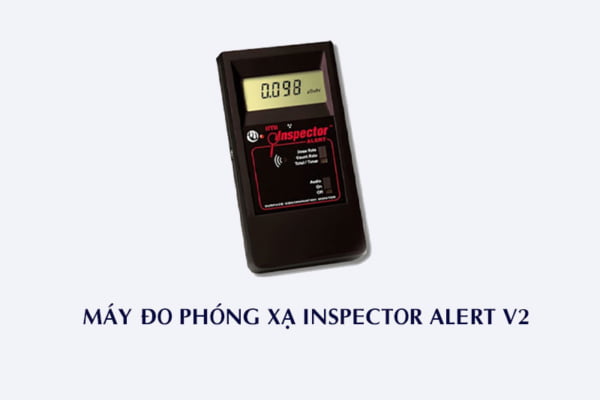
- Monitoring equipment, also called measuring instruments or measurement machinery, is used to display, measure, and record physical quantities. Measurement of an attribute can be classified according to the following criteria: type, intensity, unit, and degree.
- Monitoring equipment can refer to simple devices like direct-reading thermometers or complex multi-sensor components of industrial control systems. Today, monitoring equipment is applied to measure indicators in laboratories, oil refineries, production workshops, and the surrounding environment. Additionally, they are also used daily in households (e.g., smoke detectors and thermostats).

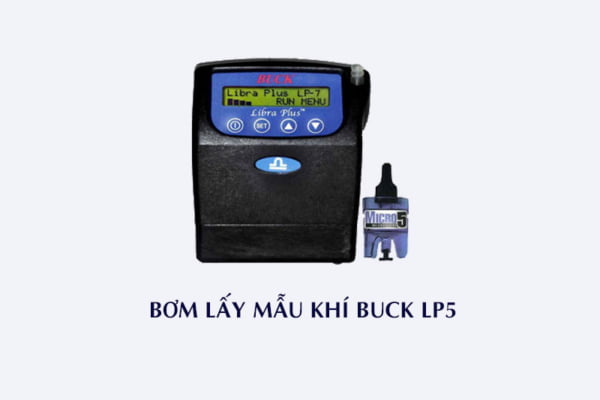
- Besides environmental measurement equipment, monitoring tasks also require auxiliary devices such as sampling tools and personal protective equipment.
II. Classification of Environmental Monitoring Equipment
Currently, there are 2 types of machinery for environmental monitoring: periodic direct monitoring equipment and automatic environmental monitoring systems. Measuring and monitoring indicators in different environments require suitable monitoring equipment. The structure and function of the equipment have specific measurement capabilities depending on the intended use in various environments.
A. Periodic Direct Monitoring Equipment
1. Soil (Solid) Environmental Monitoring
Soil plays an important role in life. It is the source of many plants and animals, provides a growing environment for many species, and is the source of important resources such as soil, oil, gas, and water. Soil also serves as a waste disposal environment and stores many hazardous materials. Soil provides a habitat for humans and forms the foundation for economic activities, such as constructing buildings and infrastructure, farming, and animal husbandry. Poor management and protection of soil can lead to resource destruction, environmental changes, and impacts on human health. Therefore, the role of soil in life is significant and must be carefully respected and protected.
- Soil depth measurement equipment is used to determine ground conditions and analyze the distribution of different soil layers. It can also be used in construction projects to determine the depth of soil before construction or for studying the distribution of soil layers in a scientific research area. Additionally, it is useful in geological studies or mineral extraction projects.

- Soil inclinometer is used to determine the slope or tilt of a soil surface or land area. It is widely applied in construction projects to assess ground conditions before works or to analyze slope changes after construction. It can also be used in geological studies or mineral extraction projects, as well as monitoring flood-prone areas and landslide risks.
- Soil pH measurement equipment is used to measure the acidity or alkalinity of soil. Soil pH affects plant growth and organic content. Measuring soil pH helps farmers and agricultural researchers manage the environment and optimize crop yield.
- Soil compaction measurement equipment measures the firmness of soil. Soil compaction affects plant growth and water drainage. Measuring it can help manage the environment, optimize crop yield, and monitor construction foundations.
- Soil thickness measurement equipment is used to determine the thickness of soil layers or hard soil on the surface. It is useful in construction, monitoring layer thickness before building, studying raised or shifting soil, and mineral or soil resource research.
- Soil impurity measurement equipment measures soil particle content per unit volume, important in soil research and depth analysis, helping experts assess environmental conditions and determine suitable solutions.
- Soil potassium concentration measurement equipment determines the potassium (or sodium) content in soil. Soil potassium affects plant growth and product quality, making this measurement crucial for soil studies. It is also used to manage water quality or mining operations.

- Soil water absorption measurement equipment measures how much water soil can absorb after irrigation. This is essential for agriculture, crop suitability assessment, and environmental management.
- Soil vibration measurement equipment measures soil vibration levels, important for assessing stability, particularly in earthquake-prone areas.
- Soil nitrogen measurement equipment measures nitrogen particle concentrations in soil, important for evaluating soil fertility and determining land use.
- Soil temperature measurement equipment is used in:
- Environmental science research: Understanding soil temperature variations.
- Agricultural management: Soil temperature affects plant growth.
- Construction: Soil temperature affects structural durability.
- Environmental monitoring: Detecting abnormalities in soil conditions.

- Soil CO2 concentration measurement equipment measures CO2 levels in soil, helping to assess soil health, plant growth, and carbon release.
- Soil electrical conductivity measurement equipment measures soil conductivity, important for determining water and nutrient retention and evaluating environmental impacts.
2. Water (Liquid) Environmental Monitoring
Water plays a crucial role in life as it is essential for all living organisms and ecosystems. Water provides for plants, animals, and humans, and is a key resource for economic activities like food production, agriculture, and energy production. It also serves cultural, historical, recreational, and tourism purposes. However, human activities have caused pollution and water resource depletion. Therefore, managing and protecting water environments is essential for health and sustainable development.
- Water pH meter measures hydrogen ion concentration in water, affecting human health and aquatic life.
- Water salinity meter measures salt content in water, impacting aquatic life and crops.

- Water hardness meter measures dissolved ions and sugar in water, important for water quality assessment and industrial applications.
- Water oxygen meter measures oxygen content, vital for aquatic life.
- Water temperature meter measures water temperature, important for environmental monitoring and industrial processes.
- Water moisture meter determines bacterial or particle concentration in water, important for health and production.

- Water whiteness meter measures particles in water, assessing clarity and water quality.
- Water turbidity meter measures impurities and solids in water, important for environmental management.
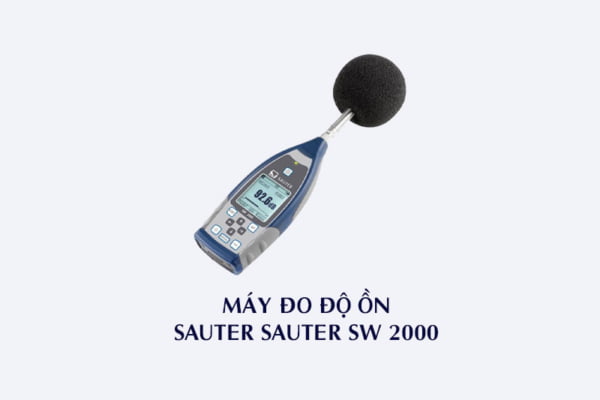
- Water quality meter measures multiple parameters like pH, hardness, salinity, oxygen, turbidity, depth, temperature, and humidity.
- Water gas meter measures gases in water, including ammonia, chlorine, acids, and other gases.

- Water flow meter measures the volume of water flowing through a system or pipe over a specified time.
- Water depth meter measures depth in lakes, ponds, rivers, or seas.
- Coral reef meter measures coral reef presence and harmful substances in water.
- Water nitrogen meter measures proteins, glucose, and other particles in water.
- Water chemical meter measures chemicals like ammonia, chloride, nitrate, etc.

- Water dust concentration meter measures harmful dust levels in water, assessing water safety and quality.
1. Continuous Automatic Monitoring Devices
- Water environment monitoring devices: devices for measuring temperature, pressure, water flow; COD meters (Chemical Oxygen Demand); DO meters (Dissolved Oxygen Controller); pH/ORP meters; TSS (Total Suspended Solids) meters; along with many other supporting devices that meet all monitoring requirements for specific production fields.
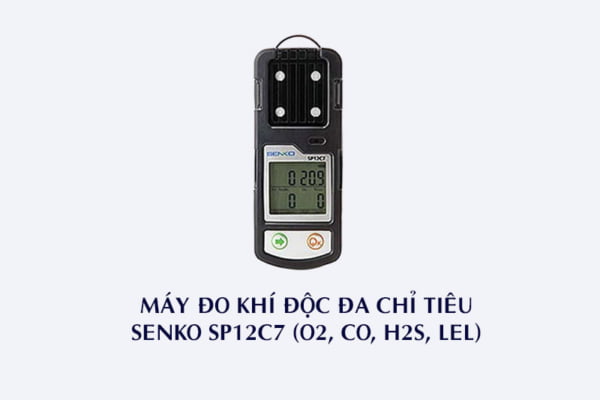
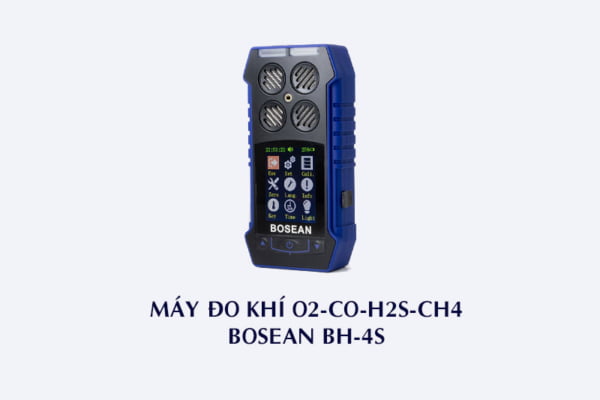
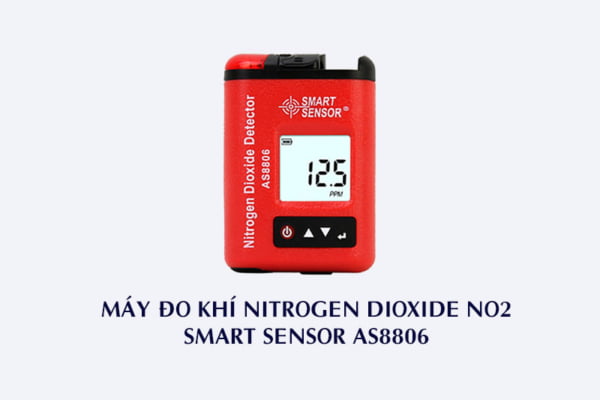
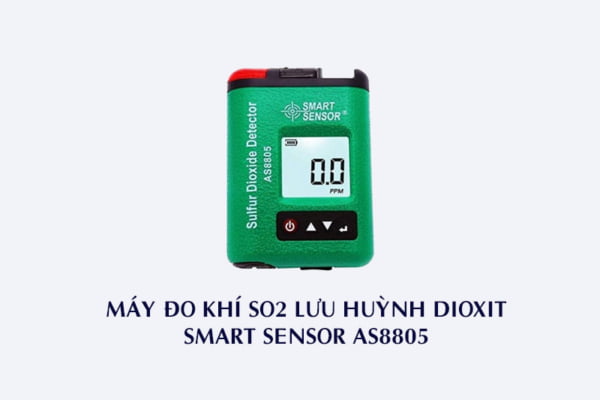
- Air environment monitoring devices: devices for measuring flow, temperature, exhaust gas pressure; multi-parameter meters – measuring concentrations of inorganic substances in exhaust gas, analyzing gas parameters such as CO, SO2, NOx, O2; dust emission meters.
- Other automatic exhaust gas monitoring devices: micro-environment air monitors, formaldehyde analyzers, volatile organic compounds analyzers, air generators, ozone analyzers, atmospheric metal monitors, continuous heavy metal emission monitoring systems, mercury (Hg) emission monitoring systems, etc.

2. Data Transmission Systems (Datalogger)
- According to Circular 10/2021/TT-BTNMT, enterprises required to install automatic environmental monitoring systems must connect and continuously transmit data to the local Department of Natural Resources and Environment. The Datalogger is the collection of devices that perform this crucial role.
- The environmental monitoring system including the Datalogger functions to receive, store, manage, and transmit data via GPRS. The system must be directly connected to measuring devices, data controllers, and automatic sampling devices (if available). It should not connect through other intermediary devices to ensure absolute data integrity and security.

3. Surveillance Camera System
- The camera system closely monitors the automatic, continuous monitoring process. All data is easily managed and monitored via mobile applications.
- Wastewater monitoring cameras (as regulated in Clause 2, Article 33) include:
- Fixed cameras at discharge points.
- Cameras inside the monitoring station.
- Exhaust gas monitoring cameras (as regulated in Clause 3, Article 36) include:
- Cameras observing automatic exhaust monitoring at the chimney outlet.
- Cameras observing data controllers.
- Cameras inside the monitoring station.
- Additionally, rotary cameras (horizontal and vertical) should be installed to monitor construction elements that require attention. Cameras must support night vision and record images at scheduled intervals.

4. Infrastructure and Other Supporting Equipment
- The infrastructure and supporting equipment of environmental monitoring systems include: monitoring station buildings to protect devices, air conditioners, UPS, fire and smoke alarms, direct and lightning protection, water pumps, electrical cabinets, etc.

III. Technical Standards of Environmental Monitoring Devices
Environmental monitoring devices must ensure quality and meet technical standards and regulations under current law before being put into use. Monitoring devices must undergo measurement control by authorized inspection organizations to verify and confirm that the devices comply with technical measurement requirements.
- Using environmental monitoring devices must follow the manufacturer’s instructions, device usage procedures, and comply with measurement technical standards specified in Vietnamese technical measurement regulations.
- Before use, environmental monitoring devices must be inspected (external check, technical check, and accuracy check). Devices that do not meet measurement technical requirements must be stopped, documented, and recorded in the environmental monitoring device management files.
- Maintenance, repair, and replacement of environmental monitoring devices: plans must be established and periodic maintenance, repair, and replacement of monitoring devices must be carried out according to the manufacturer’s instructions and usage procedures.

- Environmental monitoring device management records: organizations performing environmental monitoring are responsible for maintaining device management records. These records must be kept on-site and made available to competent authorities upon request. The records include:
- List and technical specifications of monitoring devices; manufacturer’s instructions;
- Standard operating procedures and inspection procedures;
- Device handover and usage logs;
- Maintenance, repair, and replacement logs for components and accessories;
- Measurement control records for monitoring devices;
- Certificates accompanied by inspection, calibration, and test reports, and ownership documents.
Device inspection is a legal requirement before operation and periodic inspection during long-term use. Inspection cycles are regulated in Circular 23/2013/TT-BKHCN. Monitoring devices are always calibrated to ensure measurement accuracy and maintain optimal condition.
IV. Maintenance of Environmental Monitoring Devices
Maintenance involves technical care, adjustments, repairs, or replacement of internal components of machines and devices to maintain or restore normal operation after a period of use.
- Regularly inspect machinery and equipment, preserve and maintain them according to procedures to maximize device lifespan.
- Ensure that maintenance, repair, and servicing are performed timely.
- Minimize wear, damage, and loss, and extend the service life and value of equipment and machinery.
- Clearly define individual and departmental responsibilities for reporting damage, preserving, and protecting company equipment.
- To check machinery, maintenance personnel compare initial technical specifications with actual usage conditions and perform scheduled maintenance via repair or replacement.
 Purpose of device maintenance:
- Check operational performance and measurement stability.
- Collect data on device operating time (from initial use to measurement deviation).
- Collect data on warranty period and warranty costs.
- Analyze factors causing device failure or damage to plan repairs or replacements.