
Safety management
Collecting Workers’ Feedback on Hazards and Effective Measures

Sep
In daily life, workers often face many risks and dangers in the workplace. This article will delve deep into exploring their perspectives on these hazards and the useful solutions they have tested to protect their health and safety. Let’s join us to discover interesting experiences and useful knowledge from genuine workers.
I. Workers’ Frightening Experiences
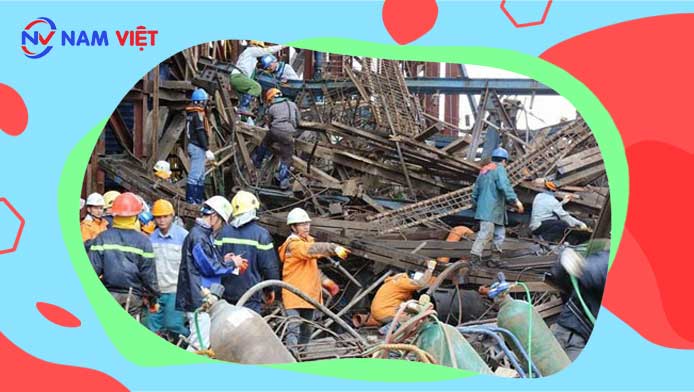
In daily life, workers often face many frightening situations and risks. Different industries bring their own challenges, from the risk of occupational accidents to the impact of unsafe work environments. These experiences are an indispensable part of their daily lives.
Work in dangerous industries such as construction, shipbuilding, or working with chemicals sometimes puts workers in challenging situations. Inspecting and protecting machinery and equipment before use is a critical factor in ensuring safety. Additionally, developing safety plans and measures, along with being fully equipped with personal protective equipment, plays an important role in reducing accident risks.
To perform work safely, workers and those involved in occupational safety must participate in occupational safety training groups and occupational hygiene. This helps them master the necessary knowledge and skills to face hazardous work environments.
II. Preventive Measures Against Dangers
In the work environment, there are many potential dangers. To deal with them, Safety Keepers need to apply various measures. Inspecting machinery and equipment before use is one of the most important measures. This ensures that work tools operate safely and efficiently.
Occupational safety plans and measures also play an important role. Safety Keepers need to develop and implement plans to minimize the risk of occupational accidents and create a safer work environment. In addition, they also need to improve working conditions and build regulations, and production operation procedures in the workplace.
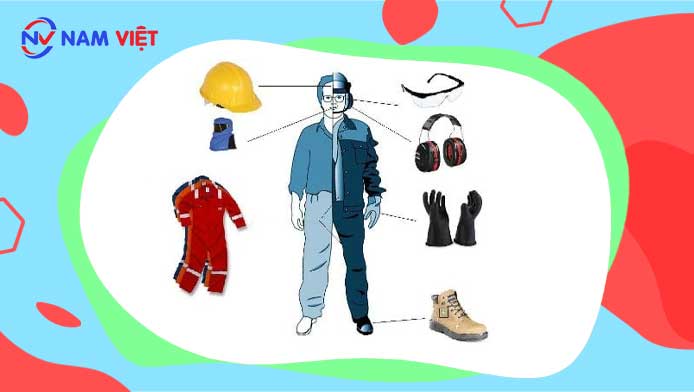
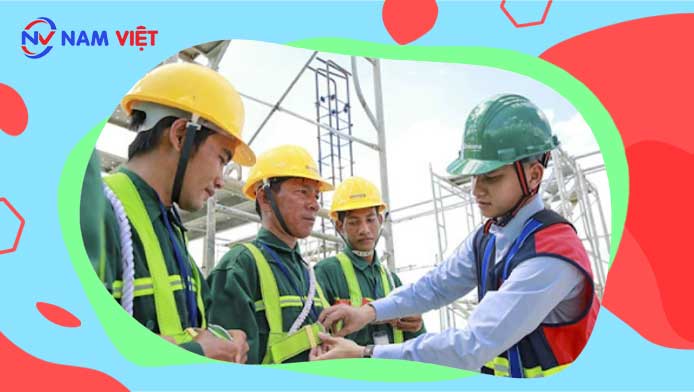
Personal protective equipment is also an important part of preventing danger. Safety Keepers must ensure that workers are fully equipped with quality-standard protective gear and use it during the work process.
Furthermore, attending occupational safety and hygiene training courses is necessary. Safety Keepers need to master the necessary knowledge and skills to face hazardous work environments.
Finally, providing full information about the occupational accident situation and safety measures is important. This helps create awareness and understanding of risks and how to cope. You can see more details about occupational safety training content under Decree 44.
III. Opinions From Those Directly Facing Danger
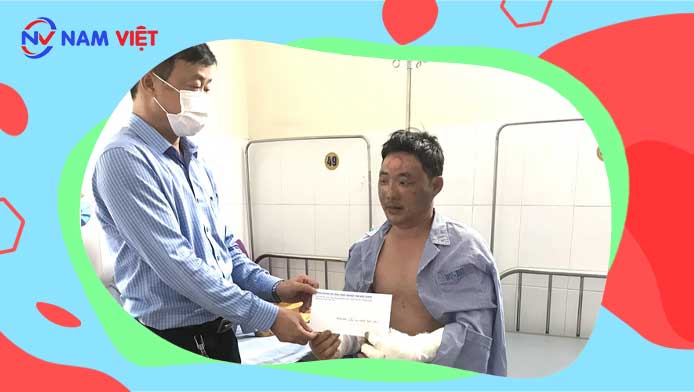
To understand the reality of those working in hazardous environments, there is nothing better than listening to those who face the risks directly every day. Direct conversations with them can be a source of inspiration and valuable information for enhancing occupational safety.
Workers in fields such as shipbuilding, oil and gas, quarrying, grass cutting, electricity, or rubber frequently face the risk of occupational accidents. They are living witnesses to dangerous situations and know well the consequences of not adhering to occupational safety.
Hearing them talk about their real experiences can help us better understand the challenges and difficulties they face. They can share about preventive measures they find effective, situations they have learned from, and also advice for other colleagues.
IV. How to Get a Workplace Safety and Health Certificate?
For many workers, obtaining a workplace safety and health certificate is necessary to participate in industries that require high compliance with safety.
- Determine the Type of Certificate Needed: First, determine the type of safety and health certificate required for your job. Each industry has its own requirements, and choosing the right type of certificate is important.
- Learn About the Requirements: Find out the specific requirements for the certificate training and testing. This includes the program content and the time needed to complete the certificate.
- Choose a Reliable Training Organization: Choose a reputable and accredited training organization to attend. This ensures you will receive quality training and a recognized certificate.
- Participate in Training: Attend the course and participate fully in the learning process. Listen and focus to understand and master the necessary knowledge.
- Take the Test: After completing the training, you will have to take a test or assessment to check your knowledge and skills. Prepare thoroughly and take the test seriously.
- Complete and Keep the Certificate: If you achieve the required score and skills, you will receive the safety and health certificate. Keep it safe, as it may be required to work in your industry.
- Comply with Renewal Regulations: Keep track of and comply with certificate renewal regulations. Most safety and health certificates need to be renewed after a fixed period.
V. How to Cope With Danger?
In life, we often have dreams and goals we want to achieve. However, as we complete the work to realize those dreams, we often have to face dangerous factors.
- Understand the Danger: To cope with danger, you need to understand it clearly. Research and grasp the hazardous factors that may appear in the field you are working in.
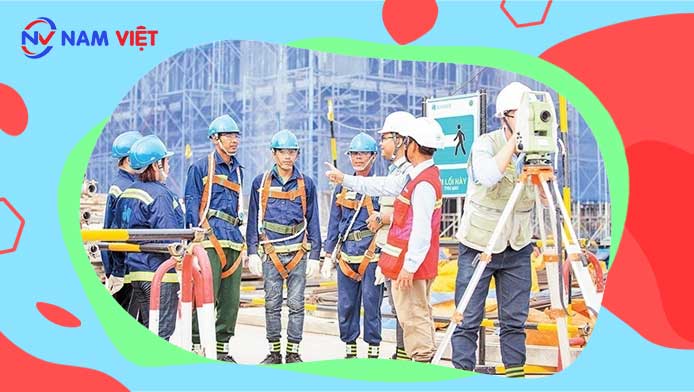
- Implement Safety Measures: Always adhere to safety rules and measures when working. This may include using protective gear, following safe work procedures, and monitoring the work environment.
- Safety Training: Participate in safety and health training courses if available. This helps you master the necessary knowledge and skills to cope with risks.
- Protect Yourself: Always put your own safety first. This means you should find ways to minimize risks when working and never trade safety for career goals.
- Cooperate and Inform: Always keep communication channels open with colleagues and managers. You should report immediately if you detect any safety issues.
- Be Ready to Respond: Always have a contingency plan and know how to respond in case of an incident or accident.
VI. Research And Strategies To Improve The Workplace
An important part of ensuring workplace safety is based on specific research and strategies. Studies on occupational safety not only help us better understand risks and hazardous factors in specific fields but also provide data to build improvement strategies.
- Build a Safety Culture: Create a working cultural environment where everyone values safety and considers it a top priority.
- Training and Education: Ensure that everyone is fully trained in safety and clearly understands safety rules and procedures.
- Inspect the Work Environment: Regularly inspect and evaluate the work environment to identify and remedy safety issues.
- Create Opportunities for Feedback: Encourage workers to participate and contribute opinions on how to improve workplace safety.
- Use Safety Technology: Apply safety technology and equipment to minimize risks.
- Comply with the Law: Always comply with occupational safety regulations and laws.
- Explore New Research: Keep up with the latest research on occupational safety and apply these findings and knowledge to the work environment.
All these efforts contribute to creating a safe work environment, protecting workers’ health, and at the same time enhancing the organization’s performance and success. That is the safety mission we need to carry out every day at the workplace. You can see more details about occupational safety training duration under Decree 44.

VII. How to Combine Worker and Expert Knowledge to Create a Safer Environment
The future of occupational safety depends on our ability to combine the knowledge and dedication of both workers and safety experts. To create a safer work environment, we need to conduct meaningful dialogues, cooperation, and information exchanges.
The Contribution of Workers: Workers are not just the ones who must follow safety rules; they also contribute important opinions on how to improve workplace safety. They often face dangerous situations directly and have a unique perspective on how to minimize risks. Encouraging workers to participate in the process of proposing safety solutions can lead to significant improvements.
Safety Experts: Safety experts bring specialized knowledge and experience in assessing, managing, and improving occupational safety. They have an important role in building safety strategies, training workers, and inspecting the work environment. Their professionalism plays a decisive role in ensuring safety.
Cooperation: Cooperation between workers and safety experts is key. Regular dialogue between the two sides helps improve the work environment by discussing safety issues, assessing risks, and building solutions. This requires a level of respect, listening, and support from both sides.
VIII. An Toan Nam Viet’s Occupational Safety Training Capability
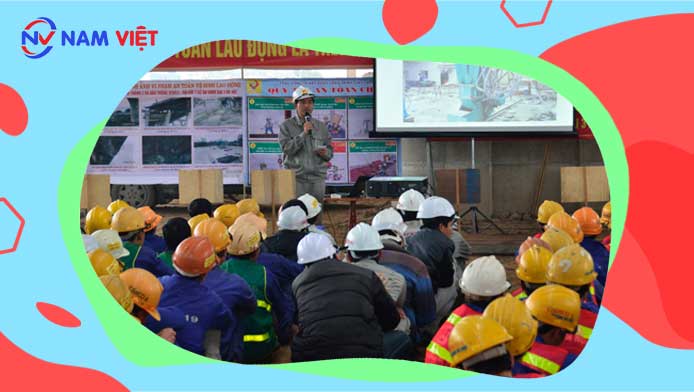
An Toan Nam Viet is a reputable and high-quality center specializing in occupational safety training (in many different languages such as English, Chinese, Japanese, Korean….) in Vietnam today. With occupational safety training sessions held continuously at factories, plants, or construction sites across the country (63 provinces in Vietnam).
REGISTER FOR OCCUPATIONAL SAFETY TRAINING SERVICES
Occupational safety training license
- An Toan Nam Viet has been inspected and certified by the Department of Work Safety of the Ministry of Labour – Invalids and Social Affairs as eligible to conduct occupational safety and hygiene training activities. This further solidifies our occupational safety training capabilities.

Materials and Lectures
- Before occupational safety training materials are used in occupational safety training courses, they are reviewed and approved to ensure that lectures are always accurate in terms of knowledge and effective when applied.
- The teaching methods of our instructors are standardized according to An Toan Nam Viet’s teaching standards, a method researched and refined by experts in occupational safety and hygiene training during the teaching process to bring the highest knowledge acquisition efficiency for trainees.
Facilities
- Controlling factors in the classroom that affect the training process will increase teaching efficiency and the effectiveness of trainees’ knowledge acquisition.
- Our training course support facilities always provide spacious classrooms that meet standards for area, lighting, training equipment, etc.
IX. Nationwide Occupational Environment Monitoring Center
Nam Viet’s Occupational Environment Monitoring Center is a professional unit for monitoring and measuring the quality of the working environment in all provinces throughout Vietnam. With an experienced team of monitoring specialists, the center uses modern measuring equipment, ensuring accuracy and reliability.
REGISTER FOR OCCUPATIONAL ENVIRONMENT MONITORING SERVICES
In addition to providing monitoring services, the center also supports clients in planning, addressing, and tracking occupational environment issues. With the motto “the customer is the center,” we always bring satisfaction to our clients, meet all their needs, and commit to providing the best solutions for their businesses.
With investment in techniques, technology, and personnel, Nam Viet’s monitoring center has become one of the reputable units in the field of occupational environment monitoring in Ho Chi Minh City with the following objectives:
- We always value our brand reputation and the quality of our products and services.
- We provide customers with the best and most suitable things possible.
- With a team of experienced and professional Masters and Engineers who wish to protect the environment and benefit businesses.
- Coming to Nam Viet’s Environmental Monitoring team, your company will receive professional service from experts in the monitoring field. At the same time, you will get the best cost incentives.
The process of conducting occupational environment monitoring at Nam Viet includes the following basic steps:
- Before conducting occupational environment monitoring, our company always ensures that machinery and equipment used for monitoring are adjusted and calibrated in accordance with legal regulations.
- Implement a complete and correct occupational environment monitoring process as committed to the Department of Health.
- Truthfully report the occupational environment monitoring results to the employer.
- If the occupational environment monitoring results do not ensure safety for employees, Nam Viet company will assist in providing remedial solutions, and the labor establishment will proceed as follows:
- Implement measures to improve working conditions to minimize the impact of harmful factors and prevent occupational diseases.
- Organize health check-ups to detect occupational diseases and work-related illnesses early for employees in positions with unsecured working environments.
- Provide in-kind benefits to employees in accordance with labor laws.