
Identification and prevention
Regularly Assess Risks for Prevention
Sep
In a constantly changing world, conducting regular risk assessments is essential. This article will guide you on how to identify new risks and adjust preventive measures effectively, helping you protect your objectives. Discover how to cope with challenges in the digital age and rapid transformation.
I. Explaining why regular risk assessment is a critical step in protection and prevention
Regular risk assessment plays a crucial role in protecting and preventing occupational accidents and incidents related to occupational safety. Regular risk assessment helps organizations and individuals identify and evaluate situations that could harm the health and lives of workers.
- Hazard Identification: Regular risk assessment helps identify hazardous factors and risks in the work environment. This helps businesses and individuals understand clearly what can cause occupational accidents or harm health, thereby having the opportunity to prevent them before they occur.
- Decision Making: Once risks have been assessed, employers and employees can make intelligent decisions about applying specific safety measures. This includes ensuring the correct use of protective equipment, adhering to safety rules, and implementing preventive measures.
- Prioritizing Preventive Measures: Regular risk assessment helps prioritize preventive measures according to priority level and risk level. Important measures that can prevent greater risks will be implemented first.
- Raising Awareness: By regularly conducting risk assessments, workers and occupational safety personnel will develop a broad awareness of safety in their daily work. This helps create a safer work environment.
In many countries, risk assessment and management are legal requirements. Complying with risk assessment regulations not only helps avoid legal liability but also ensures a safe working environment for everyone. You can see more detailed information about occupational safety training time according to Decree 44.

II. Discovering how flexibility helps identify and respond to new risks
Flexibility in the risk assessment process is a key factor helping organizations and individuals cope effectively with changes and new risks in the work environment. This is especially important in the context of the industrial and technological world that is increasingly developing and changing rapidly.
- Detecting New Risks: Flexibility allows organizations and individuals to identify new risks that may not have existed or been recognized before. Hazardous factors can emerge due to changes in technology, work processes, or the organizational environment.
- Adjusting Existing Risk Assessments: Flexibility allows for the adjustment of existing risk assessments when new information is available or when the work environment changes. This includes redefining the level of risk and adjusting preventive measures to ensure effectiveness.
- Creating Response Plans: Flexibility in risk assessment helps build flexible response plans for unexpected situations. When new risks emerge, assessors need to quickly identify appropriate safety and response measures.
- Enhancing Comprehensiveness: Flexibility not only helps identify and respond to risks technically but also includes aspects such as psychology and personnel. This ensures that both safety aspects and human reactions are considered.
- Continuous Learning: Flexibility promotes a continuous learning process. By automatically adjusting and adapting to new risks, organizations and individuals have the opportunity to enhance their knowledge and skills in safety and prevention.
- Creating a Safer Environment: By promoting flexibility in risk assessment, organizations can build a safer work environment, helping to protect the health and lives of workers.

III. Presenting modern tools and methods to assess risks effectively
Using modern tools in risk assessment is an important part of today’s occupational safety training. This helps organizations and individuals identify and assess risks more accurately and effectively.
- Risk Assessment Software: There is much software specifically designed to support the risk assessment process. These tools allow inputting information related to the work environment, work processes, and hazardous factors to generate a detailed risk assessment.
- 3D Modeling: 3D modeling allows for the recreation of a work environment or work process in 3-dimensional space. This helps assessors clearly see interactions and hazardous factors in the work environment.
- Real-Time Monitoring Tools: Sensors and real-time monitoring systems can be installed to track events and conditions during the work process. This helps identify immediate risks and provide timely responses.
- Big Data Analytics: Using big data analytics technology helps aggregate and analyze information from many different sources. This can help identify risk trends and optimize preventive measures.
- Smart Wearable Devices: Smart wearable devices such as smart glasses or gloves with sensors can record information about the environment and worker interactions. This helps improve the personal risk assessment process.
- Visualization Technology: Using visualization technology such as virtual reality (VR) or augmented reality (AR) to train and assess risks in a virtual environment. This helps create a realistic and safe experience.

IV. Guidance on how to recognize new risks before they become major threats
Identifying new risks before they become major problems is an important part of the training and occupational safety certification process. This helps organizations and individuals ensure they can recognize and respond to new hazardous situations effectively.
- Continuous Monitoring: To detect new risks, it is necessary to have a continuous monitoring process of work activities and the environment. This includes tracking changes in work processes, new equipment, and environmental factors.
- Incident Analysis: When minor incidents or accidents occur, the incident analysis process can help determine the causes and related risks. This helps identify potential problems before they become serious.
- Group Discussion: Creating opportunities for work groups to discuss new risks and opinions from members can help identify aspects that an individual might have missed.
- Monitoring Industry Trends: Monitoring trends in the work industry can help identify new risks that others have already encountered. News sources, industry documents, and forums can also provide useful information.
- Continuous Training: The training and occupational safety certification process should include updating knowledge about new risks and preventive measures. This helps ensure that employees are always alert to new hazardous situations.

V. How to adjust and improve preventive measures based on regular risk assessment
Applying effective preventive measures is an important part of managing and minimizing risk in the workplace. To do this, it is important to understand that regular risk assessment must be carried out in an organized and systematic way.
- Determine Priorities: After completing the risk assessment, prioritize risks based on their danger level and impact. This helps management focus on the most important issues first.
- Plan Action: Based on the prioritized risks, create a specific action plan to minimize or eliminate them. This plan should include specific measures, responsible persons, and implementation deadlines.
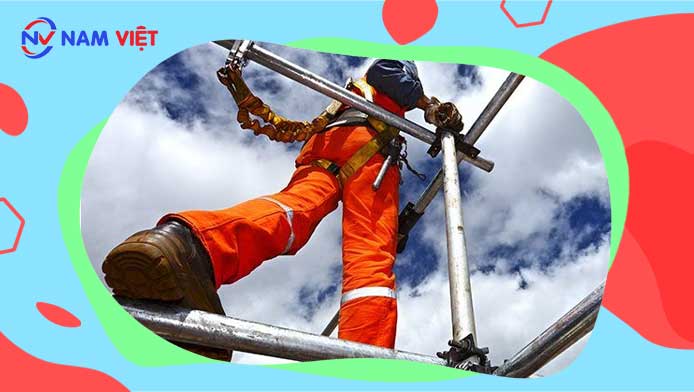
- Use Safety Tools: Safety tools and equipment are an important part of accident prevention. Ensure that workers are equipped with protective gear and know how to use it correctly.
- Training and Awareness: Provide continuous training and awareness for all employees. This helps them recognize risks and know how to respond during their daily work.
- Check and Evaluate: Regularly check and evaluate the effectiveness of preventive measures. If there are changes in the work environment or tasks, this may require adjusting existing preventive measures.
By implementing effective preventive measures based on regular risk assessment, an organization can minimize accident risks and create a safer work environment for everyone. You can see more detailed information about the content of occupational safety training according to Decree 44.
VI. Challenges of the Digital Age and How to Respond: Facing the challenges of the digital age and how to apply risk assessment
The digital age is posing many new challenges in managing occupational safety and risk assessment. Digital technology and data have changed the way we work, and in facing these challenges, applying risk assessment becomes more important than ever.
1. Rapid Change: Technology and work processes change rapidly in the digital age. This can create new risks that we have never faced before. To respond, it is necessary to assess and understand these changes to ensure employee safety.
2. Big Data: The digital age has created a huge amount of big data. Using this data to predict and assess risks can help improve the risk assessment process. Collecting, analyzing, and using information from digital data can help identify potential risks and optimize preventive measures.
3. Machine Learning and Artificial Intelligence: Machine learning and artificial intelligence technology can be used to automate the risk assessment process and identify complex risk patterns. This can help in early detection and response to dangerous situations.
4. Training and Awareness: The digital age requires a workforce with new knowledge and skills. Ensuring that employees are trained in safety related to new technology and data is an important part of the risk assessment and prevention process.
5. Compliance and Data Management: Protecting personal information and occupational safety data in the digital environment is also a challenge. Complying with regulations and data security measures is becoming an important part of risk management.

VII. Summarizing the benefits and importance of conducting regular risk assessments in protecting your goals and organization
Regular risk assessment is not just an important factor but also an indispensable part of protecting your goals and organization. This means that risk assessment and management must take place continuously, not just as a periodic task.
1. Enhance Safety: Regular risk assessment helps you identify and understand new or potential hazardous factors in the work environment. This helps you implement effective preventive measures to enhance safety for your employees and goals.
2. Respond Quickly: When you conduct continuous risk assessment, you can detect and respond to dangerous situations more quickly. This helps minimize risks and limit damage.
3. Legal Compliance: Many countries require organizations to conduct regular risk assessments to comply with occupational safety laws. By complying with these regulations, you avoid the risk of fines and legal action.
4. Improve Performance: Risk assessment helps you focus on the most important safety issues. By prioritizing and improving high-risk aspects, you can enhance work performance and minimize accidents and losses.
5. Build a Safety Culture: Conducting regular risk assessments encourages safety awareness and builds a safety culture within the organization. This can create a positive work environment and ensure that everyone implements safety measures.

VIII. Occupational Safety Training Capability of An Toan Nam Viet
An Toan Nam Viet is a prestigious and high-quality center specializing in occupational safety training (in various languages such as English, Chinese, Japanese, Korean….) in Vietnam today. With occupational safety training sessions held continuously at production workshops, factories, or construction sites across the country (63 provinces in Vietnam).
REGISTER FOR OCCUPATIONAL SAFETY TRAINING SERVICE
License for occupational safety training
- An Toan Nam Viet has been inspected and certified by the Department of Work Safety, Ministry of Labor – Invalids and Social Affairs as eligible to conduct occupational safety and health training activities. This further strengthens our occupational safety training capability.

Materials and Lectures
- Before occupational safety training materials are used in OSH training courses, they have been reviewed and censored to ensure that the lectures are always accurate in terms of knowledge and effective when applied.
- The teaching methods of the instructors are synchronized according to the teaching standards of An Toan Nam Viet, which is a method that experts in occupational safety and health training have researched and concluded during the teaching process to bring the highest knowledge acquisition efficiency for trainees.
Facilities
- Controlling factors in the classroom that affect the training process will increase teaching efficiency and the effectiveness of trainees’ knowledge acquisition.
- The facilities supporting our training courses always include spacious classrooms that meet standards for area, lighting, training equipment, etc.
IX. National Occupational Environment Monitoring Center
Nam Viet’s occupational environment monitoring center is a professional unit for monitoring and measuring the quality of the working environment in all provinces throughout Vietnam. With an experienced team of monitoring specialists, the center uses modern measuring equipment, ensuring accuracy and reliability.
REGISTER FOR OCCUPATIONAL ENVIRONMENT MONITORING SERVICE
In addition to providing monitoring services, the center also supports clients in planning, addressing, and tracking issues related to the occupational environment. With the motto “customer-centric,” we always bring satisfaction to clients, meet all client needs, and commit to providing the best solutions for businesses.
With investment in techniques, technology, and personnel, Nam Viet’s monitoring center has been and is becoming one of the reputable units in the field of occupational environment monitoring in Ho Chi Minh City with the following objectives:
- We always value our brand reputation and the quality of our products and services.
- We provide our clients with the best and most suitable solutions possible.
- With a team of experienced and specialized Masters and Engineers, we desire to protect the environment and benefit businesses.
- Coming to the Nam Viet Environmental Monitoring team, your company will receive professional service from experts in the monitoring field. At the same time, you will get the best cost incentives.
The procedure for occupational environment monitoring at Nam Viet includes the following basic steps:
- Before conducting occupational environment monitoring, our company always ensures that machinery and equipment used for monitoring are adjusted and calibrated in accordance with legal regulations.
- We correctly and fully implement the occupational environment monitoring process as committed to the Department of Health.
- We truthfully report the occupational environment monitoring results to the employer.
- In cases where the occupational environment monitoring results do not ensure worker safety, Nam Viet company will assist in providing remedial solutions, and the labor facility will proceed as follows:
- Implement measures to improve working conditions to minimize the impact of harmful factors and prevent occupational diseases.
- Organize health check-ups for early detection of occupational diseases and work-related illnesses for workers in positions with unsafe working environments.
- Provide in-kind benefits to workers according to labor law regulations.