
Hazard
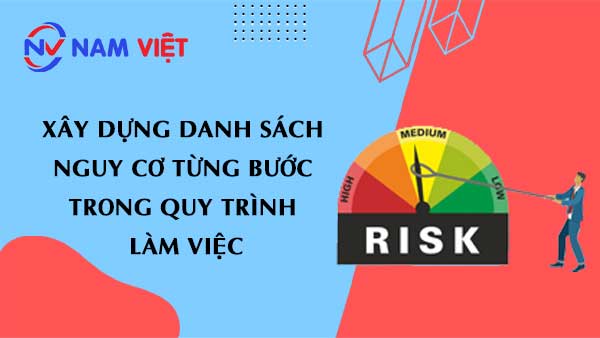
Developing a Step-by-Step Hazard List in the Work Process
Sep
In the journey of a project, identifying and managing risks is a crucial step. Let’s explore how to create a detailed step-by-step risk list to ensure peak success.
I. Introduction to the importance of risk identification in the work process
Identifying and managing risks is a vital part of the work process for any business or organization. To ensure the safety of employees and assets, as well as to comply with legal regulations related to occupational safety, developing a step-by-step risk list is an indispensable element.
First and foremost, risk identification helps us clearly understand the actual situation and potential hazards in the work environment. This helps us implement reasonable preventive measures to minimize risks and prevent unwanted incidents. At the same time, identifying risks also helps focus on the most important issues, prioritizing the management and improvement of factors that could harm the work environment.
A step-by-step risk list provides the ability to identify and classify risks according to their severity level and determine who or what might be affected by them. This helps focus resources and time on mitigating the most significant risks and building appropriate safety measures.
Finally, developing a step-by-step risk list is not just a necessary task to meet legal requirements, but also an important part of building a safe work environment and protecting employee health. This helps enhance the organization’s image and reputation with the public and customers, while also minimizing financial and legal risks.

II. Specific analysis of the benefits that developing a risk list brings to your project or work
Identifying specific risks and developing a risk list brings many significant benefits to your project or work.
- Safety and Health Protection: Clearly identifying specific risks helps ensure employee safety and protect their health. This is especially important in high-risk industries such as construction, oil and gas, or manufacturing, where accidents can cause serious injury or death.
- Effective Risk Management: A risk list helps you prioritize handling risks according to their level of importance and priority. By focusing on the most critical risks, you can optimize resources and time to ensure project safety and performance.
- Forecasting and Planning: Identifying risks in advance helps you forecast potential problems and plan preventive measures. This helps minimize incidents and disruptions during the work process and keeps the project or work running smoothly.
- Cost Control: Understanding specific risks helps you budget for contingencies effectively. You can optimize financial resources by predicting and managing costs related to accidents or unwanted incidents.
- Improve WorkEfficiency: By identifying and mitigating risks, you improve organizational performance and make your project or work run more smoothly. This can lead to reduced work time and increased productivity.
- Legal Compliance: In many industries, identifying and managing risks is a legal requirement. By performing this process, you ensure compliance with regulations and minimize legal risks.

III. Guide on how to identify and classify risks step-by-step to create a specific list
To create a specific list of risks, identifying and classifying them step-by-step is a crucial process.
Step 1: Identify Risks
- Identify Activities: Start by identifying the activities and tasks within your project or work. This includes both daily jobs and special tasks.
- Recognize Hazardous Factors:Examine each activity and identify hazardous factors that could cause incidents, accidents, or failures during the work process. This may include factors related to equipment, environment, processes, or people.
Step 2: Classify Risks
- Determine Importance: Assess the importance of each risk. Consider the potential of that risk to harm the project or work, including the potential to cause injury, property damage, or impact on time and resources.
- Determine Likelihood of Occurrence: Assess the likelihood of the risk occurring. This includes determining whether the risk is likely to occur frequently or is a rare event.
- Assess Severity Level: Determine the severity of the consequences if the risk occurs. This includes determining the potential to cause severe injury, death, or major damage.
- Determine Detection Likelihood: Assess the ability to detect and prevent the risk in time. This may include considering monitoring systems, inspection processes, or human resources to detect and respond to the risk.
- Identify Warning Signs: Consider warning signs or indicators that may appear before the risk occurs. This helps you implement preventive measures or early intervention.

IV. Learn how to assess the level of danger and prioritize your risk list
After you have identified and classified the risks on the list, assessing their danger level and prioritizing them is the next important step.
Step 1: Assess Danger Level
- Use a Rating Scale: Use a rating scale or scoring system to determine the danger level of each risk. This can be based on factors such as importance, likelihood of occurrence, severity, detection likelihood, and warning signs.
- Assess Priority Level: Arrange the risks in order of priority based on their danger level. Risks with a higher danger level need to be prioritized for preventive and control measures.
Step 2: Prioritize the Risk List
- Identify High-Level Risks: Go through the list and identify risks with a high danger level, capable of causing great harm to the project or work.
- Determine Priority Measures: To prioritize high-level risks, consider preventive or control measures that can be implemented to minimize the risk. Identify resources and decide which measures to implement first.
- Plan Periodic Checks: To ensure control measures are effective and continuous, plan periodic checks to monitor and assess the risk situation.
- Establish Responsibility: Assign specific responsibility for managing and monitoring each risk. This ensures that priority measures are implemented and monitored systematically.

V. Introduction to finding solutions and countermeasures for each identified risk
Identifying countermeasures and controls for each identified risk is a crucial part of the risk management process.
Step 1: Evaluate Options
- Consider All Possibilities: Consider all possible options and measures that can be used to address the risk. This may include adjusting work processes, using protective equipment, providing additional training, changing work schedules, or even redesigning the job.
Step 2: Prioritize Measures
- Prioritize by Danger Level: Rank countermeasures based on priority according to the risk’s danger level. Measures for risks with higher danger levels need to be addressed first.
- Consider Effectiveness: Consider the effectiveness and feasibility of each measure. A simple and effective measure is often a good choice.
Step 3: Plan Implementation
- Assign Responsibility: Identify who will implement each measure and assign specific responsibility to them. This ensures everyone knows what they need to do.
- Create an Implementation Plan: Create a detailed plan on how to deploy and implement the measures. This includes identifying the necessary time, resources, and personnel.
Step 4: Evaluate and Adjust
- Check Effectiveness: After implementing the measures, regularly check and evaluate their effectiveness. If necessary, adjust and improve the measures to ensure effectiveness and safety.
Identifying and implementing countermeasures and controls not only helps minimize risks but also ensures you are prepared to respond to any unwanted situations in your project or work. You can see more details about occupational safety training content under Decree 44.

VI. Guide on how to maintain the risk list, and why this is necessary throughout the work process
After you have identified, classified, assessed, and established countermeasures for the risk list, monitoring and adjusting this list is a crucial part to ensure its effectiveness and safety throughout the work process.
1. Ensure Continuous Effectiveness: A risk list should not be a static document. The work environment changes, and new risks may emerge or changes in existing risks may occur. Monitoring the list helps you ensure that countermeasures remain effective and appropriate for the current situation.
2. Adjust When Necessary: When you notice a risk has been mitigated or has increased, you need to adjust the list to reflect this. This ensures that this document always remains a reliable reference source for the entire work team.
3. Changes in WorkModels: As your project or work undergoes changes in work models or production processes, the risk list must be updated to reflect these changes.
4. Meet Legal Requirements: Laws regarding safety and labor protection may change over time. By monitoring and adjusting the risk list, you ensure that you comply with the latest regulations and legal requirements.
5. Maintain Communication Within the Team: The risk list can become a useful tool in maintaining communication and awareness within the work team. It helps team members know about the risks and countermeasures, helping to create a safe working environment.

VII. Create opportunities for readers to share and learn from those experienced in developing specific risk lists
An effective way to enrich knowledge about developing specific risk lists is to create opportunities for discussion and sharing experiences with experts or those who have performed this process.
1. Learn From Real Experience: Experts and those experienced in developing risk lists have gone through practical situations and learned many valuable lessons. Discussing with them can help you better understand the challenges and how to solve them.
2. Customized Advice: Each project or job has its own unique characteristics. When you talk with experts, they can offer specific advice based on your particular situation, helping you create a more effective risk list.
3. Discover Modern Methods: Industry and technology are constantly evolving. Discussing with those knowledgeable about new methods and tools can help you update your risk list development process.
4. Network of Experts: Participating in discussions and sharing experiences helps you build a network with people who have similar interests and goals. This can lead to future collaboration opportunities.
Discussion and exchanging ideas with experts can foster creativity in developing the risk list. You may discover new perspectives and different approaches. You can see more details about occupational safety training duration under Decree 44.

VIII. An Toan Nam Viet’s Occupational Safety Training Capability
An Toan Nam Viet is a reputable and high-quality center specializing in occupational safety training (in many different languages such as English, Chinese, Japanese, Korean….) in Vietnam today. With occupational safety training sessions held continuously at factories, plants, or construction sites across the country (63 provinces in Vietnam).
REGISTER FOR OCCUPATIONAL SAFETY TRAINING SERVICES
Occupational safety training license
- An Toan Nam Viet has been inspected and certified by the Department of Work Safety of the Ministry of Labour – Invalids and Social Affairs as eligible to conduct occupational safety and hygiene training activities. This further solidifies our occupational safety training capabilities.

Materials and Lectures
- Before occupational safety training materials are used in occupational safety training courses, they are reviewed and approved to ensure that lectures are always accurate in terms of knowledge and effective when applied.
- The teaching methods of our instructors are standardized according to An Toan Nam Viet’s teaching standards, a method researched and refined by experts in occupational safety and hygiene training during the teaching process to bring the highest knowledge acquisition efficiency for trainees.
Facilities
- Controlling factors in the classroom that affect the training process will increase teaching efficiency and the effectiveness of trainees’ knowledge acquisition.
- Our training course support facilities always provide spacious classrooms that meet standards for area, lighting, training equipment, etc.
IX. Nationwide Occupational Environment Monitoring Center
Occupational Environment Monitoring Center of Nam Viet is a professional unit for monitoring and measuring the quality of the working environment in all provinces throughout Vietnam. With an experienced team of monitoring specialists, the center uses modern measuring equipment, ensuring accuracy and reliability.
REGISTER FOR OCCUPATIONAL ENVIRONMENT MONITORING SERVICES
In addition to providing monitoring services, the center also supports clients in planning, addressing, and tracking occupational environment issues. With the motto “the customer is the center,” we always bring satisfaction to our clients, meet all their needs, and commit to providing the best solutions for their businesses.
With investment in techniques, technology, and personnel, Nam Viet’s monitoring center has become one of the reputable units in the field of occupational environment monitoring in Ho Chi Minh City with the following objectives:
- We always value our brand reputation and the quality of our products and services.
- We provide customers with the best and most suitable things possible.
- With a team of experienced and professional Masters and Engineers who wish to protect the environment and benefit businesses.
- Coming to Nam Viet’s Environmental Monitoring team, your company will receive professional service from experts in the monitoring field. At the same time, you will get the best cost incentives.
The process of conducting occupational environment monitoring at Nam Viet includes the following basic steps:
- Before conducting occupational environment monitoring, our company always ensures that machinery and equipment used for monitoring are adjusted and calibrated in accordance with legal regulations.
- Implement a complete and correct occupational environment monitoring process as committed to the Department of Health.
- Truthfully report the occupational environment monitoring results to the employer.
- If the occupational environment monitoring results do not ensure safety for employees, Nam Viet company will assist in providing remedial solutions, and the labor establishment will proceed as follows:
- Implement measures to improve working conditions to minimize the impact of harmful factors and prevent occupational diseases.
- Organize health check-ups to detect occupational diseases and work-related illnesses early for employees in positions with unsecured working environments.
- Provide in-kind benefits to employees in accordance with labor laws.