
Occupational disease
Occupational mercury poisoning
Apr
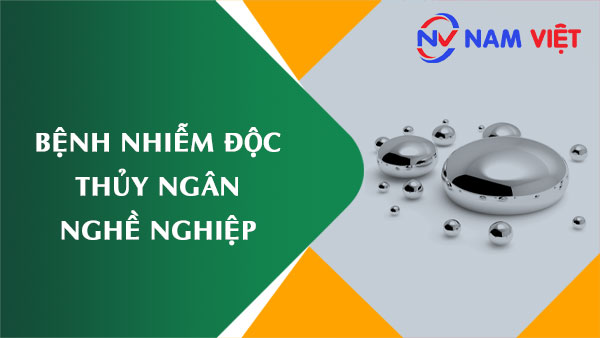
Mercury (Hg) is the only metal that exists in liquid form under normal temperature and pressure conditions. It is highly mobile, silver-white, and shiny. In Vietnam, the number of people exposed to mercury is increasing, although not significantly. So far, occupational mercury poisoning cases leading to loss of working capacity are almost negligible.
Workers in industries such as fluorescent lamp production, seafood processing, and gold mining are often at high risk of mercury poisoning.
1. What is occupational mercury poisoning?
Mercury is a toxic substance that can cause numerous health problems for humans and animals. Occupational mercury poisoning is a pathological condition that occurs through inhalation of mercury vapor, ingestion of mercury-containing products, or skin contact during work, leading to characteristic disorders.
Prolonged exposure to mercury can result in serious health issues and worsening of symptoms.

2. Occupations at risk of mercury poisoning
Jobs that involve mining, processing, handling, using, or contact with mercury, its compounds, mixtures, or mercury-containing products include:
- Distillation and recovery of mercury.
- Manufacturing or repairing thermometers, barometers, mercury-containing pumps, etc.
- Using mercury or its compounds in electrical devices, mainly:
- Using mercury-containing pumps to make lighting lamps, radios, X-ray tubes.
- Manufacturing or repairing mercury vapor lamps and rectifiers.
- Producing and using mercury fulminate detonators.
- Ceramics industry, printing, artificial flower production, etc.
- Preserving seeds and treating soil with mercury and organic mercury compounds.
- Leather processing using mercury salts, such as tanning or hair removal.
- Gold, silver, tin, or copper plating and mirror coating using mercury and mercury salts.

3. Mechanism and causes of mercury poisoning
The mechanism and cause of mercury poisoning are due to excessive exposure to the heavy metal mercury in the body.
Mercury usually exists in gaseous form (mainly mercury vapor) and liquid form (metallic mercury) in production environments and can be inhaled or absorbed through the skin and mucous membranes. Once in the body, mercury can accumulate in organs and tissues, causing mercury poisoning symptoms.
In addition, consumption of certain foods, especially seafood, may also contribute to mercury poisoning. Fish and shrimp tend to contain more mercury than other foods due to the mercury cycle in soil and water.

4. Symptoms of mercury poisoning
Mercury poisoning can cause various symptoms depending on the level and duration of exposure. Some main symptoms include:
- Nervous system: Memory loss, difficulty concentrating, insomnia, dizziness, tremors, numbness in hands and feet, muscle spasms.
- Digestive system: Nausea, vomiting, abdominal pain, diarrhea, constipation, poor appetite, bloating.
- Respiratory system: Shortness of breath, coughing, chest pain, discomfort in the chest.
- Central nervous system: Loss of balance, difficulty maintaining equilibrium, decreased alertness.
- Immune system: Skin inflammation, itching, rashes.

5. Effects of occupational mercury poisoning
Occupational mercury poisoning can affect workers’ health in multiple ways:
- Nervous system: Mercury can penetrate the nervous system, causing memory loss, tremors, numbness, muscle spasms, decreased concentration, cognitive impairment, and dementia.
- Digestive system: Mercury can cause enteritis, abdominal pain, diarrhea, vomiting, nausea, constipation, bloating.
- Respiratory system: Mercury can lead to pneumonia, cough, difficulty breathing, sinusitis, nasal mucosa inflammation, sore throat, and other respiratory problems.
- Central nervous system: Mercury poisoning may impair balance, sensation, reflexes, alertness, and coordination.
- Immune system: Mercury poisoning can cause skin inflammation, itching, rashes, and other immune-related issues.
Other effects include reduced fertility, cardiovascular impacts, and mental health problems.

6. Personal protective equipment to prevent mercury poisoning
Protective equipment is essential to prevent mercury poisoning while handling mercury-containing substances. Key protective gear includes:
- Safety goggles: Protect the eyes from dust and small particles containing mercury.
- Face masks: Protect the respiratory system from inhaling mercury particles and dust.
- Protective gloves: Shield hands and skin from mercury-containing solutions.
- Protective clothing: Protect the body from exposure to mercury-containing substances.
- Safety shoes: Protect the feet from contact with harmful substances.
- Helmets: Protect the head from exposure to hazardous mercury substances.
Protective gear is crucial for occupational health, but it should be combined with hygiene practices and proper control of mercury sources.
Discover the occupational mercury poisoning risk assessment tool, developed to provide detailed risk analysis and preventive recommendations. With a comprehensive database and advanced algorithms, it is a reliable partner for health and safety professionals, helping maintain a safe and sustainable workplace.
7. Compensation for workers with mercury poisoning
In Vietnam, workers affected by occupational mercury poisoning are entitled to compensation under the law. According to the Vietnamese Social Insurance Law, workers suffering from occupational diseases, including mercury poisoning, are eligible for social insurance benefits and compensation.
Workers may also claim additional compensation from employers if evidence shows inadequate safety measures. Proper documentation and adherence to legal procedures are required.
Compensation regulations and rates may be updated over time, so workers should stay informed about procedures and rights.
8. Treatment of mercury poisoning
Treatment depends on the severity and symptoms. For mild cases, removing the source of exposure and leaving high-mercury environments may suffice.
Severe cases require hospitalization and specialized treatment, including:
- Medications to remove mercury from the body.
- Replacing damaged proteins caused by mercury binding.
- Symptomatic treatment for headaches, joint pain, and digestive disorders using pain relievers, anti-inflammatories, and immune inhibitors.
- Supportive care including fluids and other life-support measures.
Preventive measures, such as protective equipment and environmental monitoring, are critical.
9. Prevention of occupational mercury poisoning
To prevent mercury poisoning, workers should:
- Use full protective equipment (masks, gloves, gowns, goggles).
- Monitor mercury levels in air, water, and soil in workplaces.
- Follow safe work procedures and environmental regulations.
- Maintain personal hygiene before eating, smoking, or going outside.
- Undergo regular health checks to detect early mercury poisoning.
- Limit consumption of mercury-rich foods such as fish, shrimp, crab, and snails.
Employers must educate workers, monitor mercury levels, and enforce safety protocols.
10. Employer responsibilities in preventing mercury poisoning
Employers are responsible for:
- Providing and ensuring proper use of protective equipment.
- Implementing measures to reduce mercury levels and regularly assessing exposure risks.
- Following safe work procedures and environmental regulations.
- Training workers on mercury poisoning, prevention, and protective gear usage.
- Conducting regular health checks for early detection.
- Monitoring mercury levels and assessing workplace risks.
- Providing information on mercury poisoning and prevention.
- Performing occupational environmental monitoring and reporting results regularly.
11. National Occupational Environment Monitoring Center
Nam Viet Occupational Environment Monitoring Center is a professional unit monitoring workplace environmental quality across all provinces in Vietnam. With experienced monitoring specialists and modern equipment, accuracy and reliability are ensured.
REGISTER WORKPLACE ENVIRONMENT MONITORING SERVICE
Besides monitoring services, the center supports planning, management, and follow-up for workplace environmental issues. With the motto “customer-centered,” the center prioritizes satisfaction and provides optimal solutions.
With investments in technology and human resources, Nam Viet has become a reputable center for workplace environmental monitoring in Ho Chi Minh City, focusing on:
- Maintaining brand reputation and service quality.
- Providing the best and most suitable services for clients.
- Leveraging experienced masters and engineers with expertise in environmental protection and business benefits.

- With Nam Viet Monitoring, companies receive professional services and expert guidance, along with cost advantages.
12. Workplace Environmental Monitoring Pricing
To help businesses conduct professional and efficient workplace monitoring, Nam Viet provides detailed pricing for monitoring services with reasonable costs.
- The pricing table provides detailed service costs, including travel, measurement, analysis, and reporting. Clients can trust the accuracy and reliability of results.
- Nam Viet commits to competitive and fair pricing while providing quick and professional consultation.
- Clients can choose suitable packages, ensuring satisfaction with professional service quality.