
Medical
Infection Risk Control in the Healthcare Sector

Sep
In the complex face of the healthcare industry, the potential threat from exposure to blood and infectious materials cannot be taken lightly. This article will serve as a comprehensive guide on how to carefully control this risk, from understanding infectious factors to the most effective strategies to ensure safety for oneself and patients. Join us in exploring important knowledge and practical measures to prevent infection in this challenging medical environment.
I. Exploring the risk from exposure to blood and infectious materials
Exposure risk in the medical field is an important topic, especially in exploring and understanding the risk from exposure to blood and other infectious materials. In the healthcare industry, exposure to blood and infectious materials can lead to serious health consequences, especially in the working environment of medical professionals.
Blood can contain many dangerous infectious diseases such as HIV, hepatitis B and C, and many other transmitted diseases. Therefore, exposure to blood without adhering to safety and hygiene rules in healthcare can create a risk of infection and contamination for healthcare workers.

II. Understanding why infection control is important for the healthcare industry
Infection control in the healthcare field is a crucial part of ensuring the safety and protecting the health of both patients and medical staff. This is especially important because the healthcare industry frequently encounters many dangerous situations and diseases, and infection control can prevent the spread of serious infectious diseases such as HIV, hepatitis B and C, as well as other communicable diseases.
Here are some reasons why careful infection control is important in the healthcare industry:
- Protecting patients: Patients in medical facilities often have weakened immune systems and are suffering from illnesses. Infection from healthcare staff or other patients can lead to worsened health conditions or the spread of other infectious diseases.
- Protecting healthcare staff: People working in the medical field are often exposed to many types of diseases and infectious materials. Infection control helps protect healthcare staff from the risk of infection and ensures they can continue their work without worrying about their health.
- Responding to epidemics: Infection control plays a vital role in preventing the spread of epidemics, especially in the context of an ongoing pandemic. This helps protect the community from the risk of widespread infection.
- Compliance with regulations and laws: Many countries have regulations and laws regarding infection control in the medical field. Adhering to these regulations is not only an ethical duty but also a legal requirement.

III. What causes infection risk and how can we identify them
Infectious factors are a critical aspect in the field of Occupational Safety Training (OSH). This refers to potential hazards that can cause accidents or infections in the work environment.
- Work environment: This relates to the physical and chemical conditions of the workplace. For example, the environment may contain dust particles, toxic chemicals, or variable agents like high temperatures, low pressure, or high humidity. To identify these factors, measuring and testing the work environment is important.
- Specific job: Each type of job has its own distinct infectious factors. For example, in the construction industry, the risk from using heavy machinery and equipment may differ from the healthcare industry where there is contact with patients. To identify infectious factors for each job type, a specific job analysis process is necessary.
- Infectious materials: This refers to types of hazardous substances, including toxic materials, bacteria, viruses, or other biological agents. Identifying the type of infectious material and how it spreads in the work environment is crucial for applying preventive measures.
- Personal Protective Equipment (PPE): Using the correct PPE, such as masks, safety glasses, or chemical-resistant clothing, can reduce the risk of infection. This requires identifying which PPE is appropriate for the type of infectious factor the worker may be exposed to.
The attitudes and behaviors of workers can also create infection risks. Training and raising their awareness about safety and hygiene rules can help minimize this risk. You can see more detailed information about occupational safety training content according to Decree 44.

IV. Explore control strategies and measures to prevent infection
Effective control strategies are a key element in ensuring an Occupational Safety Certificate (OSH) is implemented effectively and prevents infection in the work environment.
- Clearly identify risks: To prevent infection, it is necessary to identify and assess potential risks in the work environment. This includes identifying the types of infectious materials that may exist and determining infectious factors such as the work environment, specific tasks, and other elements.
- Develop an OSH plan: The OSH plan includes control measures designed to minimize infection risks. This may involve establishing safe work procedures, ensuring the correct use of personal protective equipment, and applying specific risk control measures based on the industry.
- Training and awareness: Ensure all employees are trained in OSH and understand the control measures. This means ensuring they know how to use PPE correctly and adhere to safety rules.
- Periodic checks: Conduct regular inspections to ensure that control measures are working effectively. These checks may include inspecting PPE, assessing the work environment, and ensuring compliance with safety rules.
- Use advanced technology and equipment: Advanced technology and equipment can help enhance infection control. For example, OSH information and management systems can help track and assess risks effectively.
- Monitoring and self-assessment: Organizations need to establish monitoring and self-assessment systems to ensure that control measures are being implemented correctly and continuously improved.

V. How to ensure safety for both patients and healthcare staff
Safety for both patients and healthcare staff is a core priority in the healthcare industry. To ensure safety for both groups, the following principles and measures must be adhered to:
1. Ensure use of personal protective equipment (PPE): Healthcare staff should be provided with and trained on how to use PPE correctly. This includes masks, gloves, safety goggles, and infection-resistant gowns. Patients should also be instructed on the use of PPE when necessary.
2. Adhere to hand hygiene procedures: Proper handwashing is a simple but effective measure to prevent infection. Both patients and healthcare staff should regularly wash their hands with soap and warm water for at least 20 seconds.
3. Manage medical waste: Medical waste, especially infectious waste, must be disposed of properly. Hospitals and medical facilities need to comply with regulations on the collection, treatment, and disposal of medical waste safely.
4. Conduct periodic medical check-ups: Healthcare staff should regularly check their health to detect early signs of any infectious diseases. Patients should also have regular health check-ups to maintain good health.
5. Adjust work processes: Medical facilities need to adjust work processes to minimize direct contact between healthcare staff and patients when possible. Using telemedicine and other advanced technologies can help reduce direct contact in some cases.
6. Training and awareness: Both patients and healthcare staff need to be trained on safety measures and understand the risks of infection. This helps them implement control measures correctly.
7. Manage infection cases: If there is a suspected or confirmed case of infection in a patient or healthcare worker, immediate isolation and testing are needed to identify and prevent spread.
8. Improve information and communication: Open communication between patients, healthcare staff, and medical management is important. Information must be shared fully and promptly to ensure safety for everyone.
9. Comply with medical regulations and guidelines: Medical facilities must comply with all regulations and guidelines from local and national health authorities to ensure safety in work and patient care.

VI. Why raising awareness and training are important for infection control
Raising awareness and training in infection control play a crucial role in protecting the health of the entire community.
1. Understand the risk: Awareness of infection risk helps people better understand the situations they might face. This encourages them to take control measures more seriously.
2. Implement protective measures: Training helps people master the use of personal protective equipment (PPE) and other safety measures. This protects them from the risk of infection and prevents the spread of disease.
3. Respond to emergency situations: Training provides the necessary knowledge and skills to deal with emergency situations, such as how to implement control measures quickly and effectively.
4. Build a safe environment: Raising awareness and training increase safety consciousness in the work environment and social environments where people interact. This helps build a safer environment for everyone.
5. Prevent community spread: Training on infection control not only helps individuals protect themselves but also helps prevent the spread of infectious diseases in the community. This is especially important during pandemic situations.
6. Promote a spirit of unity: Training and raising awareness about infection control can create a spirit of unity and understanding among individuals and communities. This can help people work together to cope with difficult situations.
7. Compliance with regulations: Training is a way to ensure that people comply with the regulations and guidelines of health authorities and the government. This plays an important role in controlling infection and protecting public health.
In summary, raising awareness and training are a vital part of controlling infection and protecting everyone’s health. It helps people better understand risks, implement protective measures, and respond to emergencies, while also helping to prevent the spread of infectious diseases in the community. You can see more detailed information about occupational safety training duration according to Decree 44.
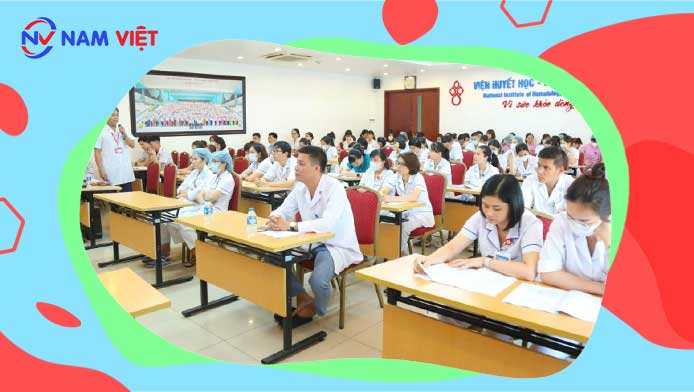
VII. The importance of infection control in the future of the healthcare industry
In the future of the healthcare industry, infection control will always play a crucial role and affect the health and safety of both patients and healthcare staff.
1. Coping with new infectious diseases: Whenever new infectious diseases emerge, infection control becomes a major challenge for the healthcare industry. Preparation and training will play a vital role in responding quickly to these situations.
2. Protecting healthcare staff: People working in the healthcare industry always face the risk of infection from patients. Ensuring they are trained and fully equipped for safety is a top priority to protect their health and prevent the spread of disease.
3. The spread of infectious diseases: In an increasingly connected world, infectious diseases can spread rapidly and affect many countries. Controlling infection at the source and educating the community on prevention will help stop widespread transmission.
4. The changing nature of diseases: Some infectious diseases may undergo transformations and changes in their epidemiology. This requires continuous monitoring and control to ensure that control measures remain effective.
5. The importance of international cooperation: Infection control often requires close international cooperation. Sharing information and experiences between countries and international organizations will help enhance the ability to cope with global infectious diseases.
6. Development of new technologies and methods: The healthcare industry needs to continuously research and develop new technologies and methods to control infection more effectively. This includes the use of artificial intelligence, epidemiological tracking, and data analysis.

VIII. Occupational Safety Training Capacity of An Toan Nam Viet
An Toan Nam Viet is a reputable and high-quality center specializing in occupational safety training (in many different languages such as English, Chinese, Japanese, Korean….) in Vietnam today. With occupational safety training sessions held continuously at production workshops, factories, or construction sites across the country (63 provinces in Vietnam).
REGISTER FOR OCCUPATIONAL SAFETY TRAINING SERVICE
Occupational safety training license
- An Toan Nam Viet has been inspected and certified by the Department of Work Safety of the Ministry of Labor – Invalids and Social Affairs as eligible to conduct occupational safety and health training. This further strengthens our occupational safety training capabilities.

Materials and lectures
- Before occupational safety training materials are used in OSH training courses, they are reviewed and approved to ensure that the lectures are always accurate in knowledge and effective when applied.
- The teaching methods of the instructors are standardized according to An Toan Nam Viet‘s teaching standards, which is a method researched and concluded by experts in occupational safety and health training during the teaching process to bring the highest knowledge acquisition efficiency for trainees.
Facilities
- Controlling factors in the classroom that affect the training process will increase teaching efficiency and the trainees’ effectiveness in acquiring knowledge.
- Our facilities supporting the training course always provide spacious classrooms that meet standards for area, lighting, training equipment …etc…
IX. National Occupational Environment Monitoring Center
The occupational environment monitoring center of Nam Viet is a professional unit specializing in monitoring and measuring the quality of the working environment across all provinces in Vietnam. With a team of experienced monitoring specialists, the center uses modern measuring equipment, ensuring accuracy and reliability.
REGISTER FOR OCCUPATIONAL ENVIRONMENT MONITORING SERVICE
In addition to providing monitoring services, the center also supports clients in planning, handling, and tracking occupational environment issues. With the motto “customer-centric”, always bringing satisfaction to customers, meeting all customer needs, and committing to providing the best solutions for businesses.
With investment in techniques, technology, and human resources, Nam Viet’s monitoring center has become one of the reputable units in the field of occupational environment monitoring in Ho Chi Minh City with the following objectives:
- We always value our brand reputation and the quality of our products and services.
- We provide customers with the best and most suitable options possible.
- Along with a team of experienced Masters and Engineers with a desire to protect the environment and benefit businesses.
- Coming to the Nam Viet Environmental Monitoring team, your company will receive professional service from experts in the monitoring field. At the same time, you will get the best cost advantages.
The occupational environment monitoring process at Nam Viet includes the following basic steps:
- Before conducting occupational environment monitoring, our company always ensures that machinery and equipment serving occupational environment monitoring are calibrated and standardized in accordance with legal regulations.
- Correctly and fully implement the occupational environment monitoring process committed to the Department of Health.
- Honestly report the occupational environment monitoring results to the employer.
- In case the occupational environment monitoring results do not ensure safety for workers, Nam Viet company will support in providing remedial solutions, and the labor establishment will proceed as follows:
- Implement measures to improve working conditions to minimize the impact of harmful factors and prevent occupational diseases.
- Organize health check-ups to detect occupational diseases and work-related illnesses early for workers in positions with unsafe working environments.
- Provide in-kind allowances to workers according to labor laws.